
12 Must-Have Tools for Your Cut-and-Sew Toolkit
Embarking on a cut-and-sew journey requires the right set of tools to make your creative vision come to life. Whether you're a seasoned pro or just starting out, having a well-equipped toolkit will make your sewing projects smoother, more efficient, and, most importantly, enjoyable. In this blog, we'll walk through the essentials you need in your cut-and-sew toolkit.
1. The Trusty Sewing Machine
Your sewing machine is the cornerstone of your toolkit. Whether you prefer an electric or mechanical model, a reliable machine will streamline your sewing process and open up a world of possibilities in terms of design and complexity. When choosing a sewing machine, consider features like stitch variety, ease of use, and durability. Having a machine that simplifies tasks such as buttonholing and zigzag stitching can save you countless hours. To ensure longevity, regular maintenance and timely servicing are crucial. A well-maintained sewing machine can serve you for many years, making it a vital asset in your creative toolkit.
2. Essential Sewing Needles
No toolkit is complete without a variety of sewing needles. Needles for hand sewing, machine sewing, and specialty tasks ensure that you're prepared for any fabric or project you tackle. Opt for high-quality needles that suit the fabric you're working with, as they can significantly impact your sewing efficiency and the finished product's quality. From universal needles to more specialized options like ballpoint and leather needles, each serves a different purpose. Investing in a needle organizer can be beneficial, keeping your tools neat and extending their lifespan.
3. Sharp Fabric Scissors
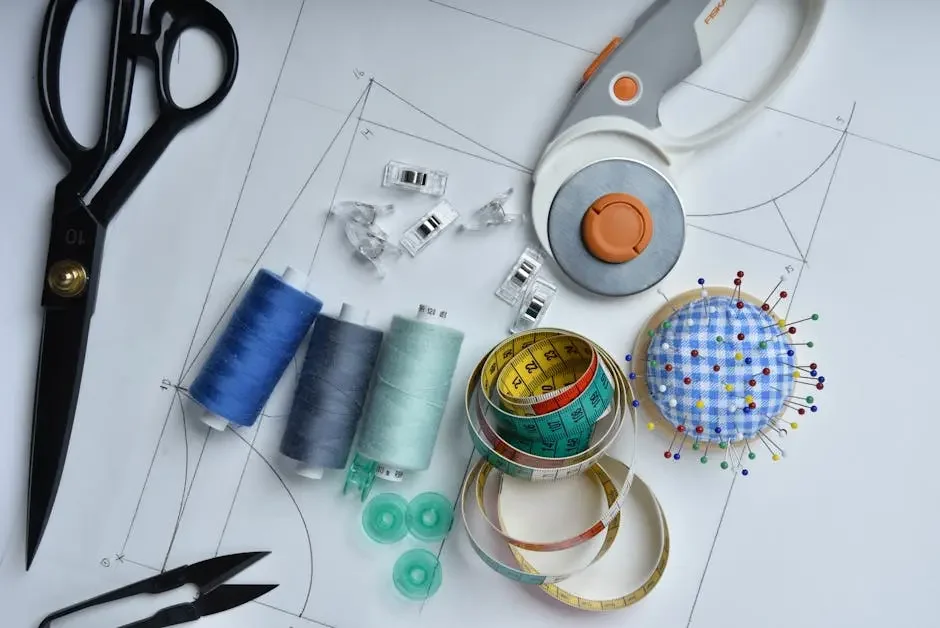
A pair of high-quality fabric scissors is crucial. They are designed specifically to cut through fabric smoothly, without fraying or damaging the material, ensuring clean and precise cuts every time. For those intricate snips, having a smaller set of sharp embroidery or applique scissors on hand can be beneficial as well. To maintain your scissors' effectiveness, store them carefully and designate them solely for fabric cutting, as cutting other materials can dull the blades over time. Regular sharpening will also keep them in top condition, ensuring your cuts remain crisp and consistent.
4. Rotary Cutter for Precision
For straight lines and intricate curves, a rotary cutter offers ease and precision that standard scissors can't match. Pair with a cutting mat for the best results. The rotary cutter’s sharp, rolling blade slices through multiple layers of fabric swiftly and accurately, making it perfect for quilting and other detailed projects. When using this tool, remember to replace the blade regularly to maintain its precision and always use it on a cutting mat to protect your surfaces and prolong the blade’s life. Handle it with care— a rotary cutter can be sharper than it looks!
5. Reliable Measuring Tape
Accuracy in measurements ensures that your garments fit perfectly. A flexible measuring tape is an irreplaceable tool for taking body measurements and marking fabrics. Choose a tape that is easy to read, with both inches and centimeters for versatile use. It should be retractable or easily rollable to prevent tangling in your tool kit. For added convenience, consider getting a digital measuring tape that provides quick, precise readings. Whether you’re modifying patterns or drafting new ones, a dependable measuring tool will be integral to your sewing endeavors.
6. Chalk or Fabric Markers
Marking tools like tailor’s chalk or fabric markers are essential for transferring patterns and making adjustments. They wash out easily and leave no permanent marks on your fabrics. Depending on your project, you can choose from chalk pencils for fine, precise lines, or broader chalk slabs for more visible marks. For darker fabrics, a white or light-colored marker is ideal to ensure your guidelines are clearly visible. Always test your markers or chalk on a scrap piece of the fabric to ensure they don’t leave stains or marks that are hard to remove.
7. The All-Purpose Seam Ripper
Mistakes happen, but they shouldn't ruin your project. A seam ripper makes quick work of removing stitches without damaging your fabric, making it a lifesaver in any toolkit. Choose one with an ergonomic handle to prevent hand fatigue during extended use. Sometimes, even the most seasoned tailors find themselves needing to redo a seam or remove unwanted stitches. Having this tool on hand ensures that small hiccups don't escalate into major setbacks. Regularly replacing the blade will keep it sharp and efficient, essential for tackling tight or densely stitched seams.
8. Quality Cutting Mat
A good cutting mat not only protects your work surface but also provides a grid for accurate cutting. It pairs perfectly with a rotary cutter for efficient and precise fabric cutting. When selecting a mat, consider its size to ensure it accommodates your workspace and the project sizes you commonly work with. Self-healing mats, which reseal after cuts, provide durability and extended usability. They often come with grid lines and angles, helping you maintain precision and symmetry in your cuts, which is particularly useful for quilting and pattern making.
9. Pins and Clips for Precision
Keeping fabric in place while you work is crucial. Pins and fabric clips are essential for maintaining alignment and ensuring your pieces fit together flawlessly. Opt for high-quality pins that glide through the fabric effortlessly without leaving unsightly holes. Clips are a safer alternative for delicate materials or when working on bulky sewing projects, reducing the risk of pricking yourself. For convenience, use magnetic pin holders to keep your workspace tidy and prevent mishaps. Efficiently securing your fabric ensures a smoother sewing process and contributes to professional-quality results.
10. Versatile Iron and Ironing Board
Pressing your seams and fabric makes all the difference in achieving a polished finish. A good iron and sturdy ironing board are invaluable for giving your projects that professional touch. Choose an iron with adjustable temperature settings and steam functions to handle a variety of fabrics with care. The ironing board should be stable and adjustable to your preferred height, minimizing strain during long sessions. Investing in a pressing cloth can also be beneficial, protecting delicate fabrics while allowing you to apply the right amount of heat smoothly.
11. Variety of Threads
Having an array of thread colors and types ensures that your stitches blend seamlessly with your fabric, adding strength and beauty to your garments. Polyester and cotton threads are versatile choices for a range of projects, while silk threads provide that extra subtle sheen for luxury items. The right thread enhances the durability of your construction, while a poor choice can break easily and cause frustrations. An organized thread box can help maintain neatness and ensure you always find the right shade and type when inspiration strikes.
12. Durable Rulers and Seam Gauge
For precise measurements and pattern drafting, sturdy rulers and a seam gauge are indispensable tools that help maintain accuracy throughout your projects. Metal rulers can withstand the wear of rotary cutters, while plastic rulers offer flexibility for measuring curves. A seam gauge, with its sliding marker, is perfect for small, repetitive measurements, like marking seam allowances or hems. These tools are crucial for achieving the professional-level precision needed in garment creation and design work, making them must-haves in any well-equipped cut-and-sew toolkit.