
The Role of a Pattern Designer in the Fashion Industry
In the ever-evolving world of fashion, a behind-the-scenes hero plays a pivotal role in shaping the clothes we wear. That hero is the pattern designer. Pattern designers are the creative architects who transform visions into reality, laying down the blueprint for garments. In this blog, we'll explore the essential role of a pattern designer in the vibrant fashion industry.
Understanding the Pattern Designer's Craft
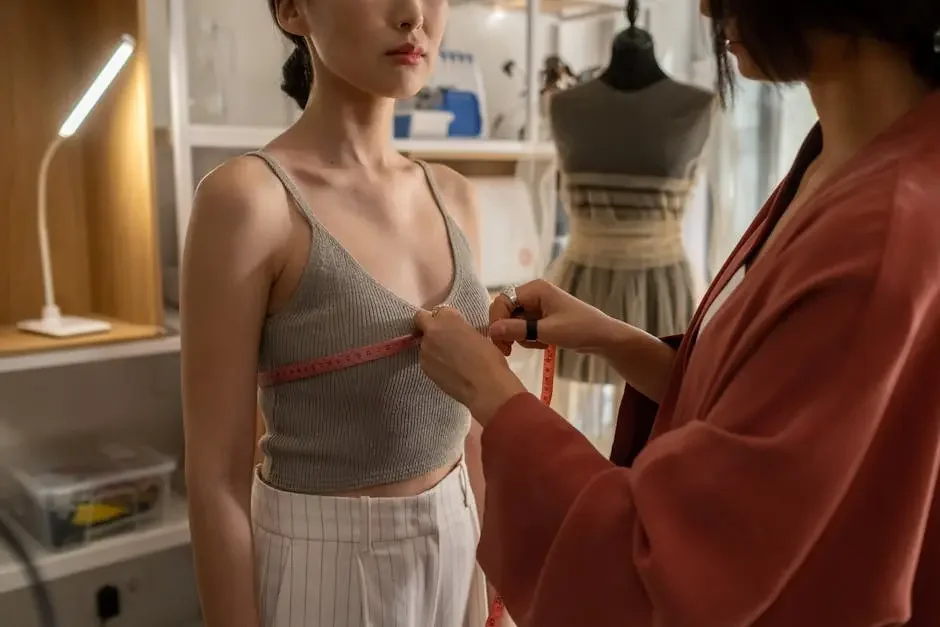
Pattern designers are responsible for creating the templates used to cut and assemble various pieces of fabric into a coherent garment. Their work involves careful measurements and an understanding of how fabric behaves and drapes.
The craft of a pattern designer is akin to that of an architect. They take initial sketches and transform them into intricate patterns that dictate the success of the final product. Every line and curve plotted in the pattern has a purpose, from accommodating a subtle dart to allowing a piece to drape just right. It's a meticulous process that demands patience and precision, as the slightest miscalculation could lead to significant alterations or wasted material.
An integral part of a pattern designer's skill set is an understanding of body shapes and how different fabrics can enhance or detract from a design. This is especially important in creating garments that not only look good on paper but also fit well on diverse body types, reflecting the inclusive values of the modern fashion industry.
Bridging Creativity and Technical Expertise
Pattern designers must possess both creative flair and technical proficiency. They interpret sketches from fashion designers and translate them into detailed patterns that can be produced consistently in mass quantities.
Bridging the gap between the artistic vision of designers and the pragmatic needs of production is a fundamental role of pattern designers. They must understand the creative intentions behind a sketch and adapt it into a practical pattern. This process requires not only creative interpretation but a strong grasp of garment construction techniques. Balancing creativity and manufacturability is their daily challenge.
The Impact of Technology on Pattern Design
With technological advancements, pattern design has become a more dynamic field. Software tools now assist designers in refining their patterns, testing different styles, and even offering 3D garment simulations before the cutting process begins.
In recent years, technology has radically transformed the landscape of pattern design. Digital solutions such as CAD (Computer-Aided Design) systems empower pattern designers to visualize their designs more vividly, test variations without physical samples, and expedite the production process. These tools are particularly beneficial for experimenting with complex designs that would be challenging to visualize on paper alone.
Moreover, the integration of 3D printing in the fashion industry opens new frontiers for pattern designers to explore. By prototyping designs more rapidly and with greater precision, designers can push the boundaries of traditional garment construction, offering innovative solutions that were once unimaginable.
Collaboration with Other Fashion Industry Professionals
To bring a garment to life, pattern designers collaborate closely with fashion designers, seamstresses, and manufacturers. This teamwork ensures that the final product aligns with the original vision while being practical for production.
Successful fashion owes much to the seamless collaboration between pattern designers and other industry professionals. In the design and production phases, maintaining open communication with fashion designers ensures the original vision is expertly translated into a wearable product. Pattern designers often participate in fittings alongside seamstresses, where they make necessary adjustments to enhance fit and comfort, reflecting the designer’s intent as closely as possible while addressing construction logistics.
Challenges and Opportunities in Pattern Design
The field of pattern design is not without its challenges. Adapting to changing trends and sustainable practices presents both obstacles and exciting opportunities for pattern designers to innovate and grow.
A significant challenge facing pattern designers today is the push towards sustainable and ethical fashion. As the industry shifts, designers need to integrate eco-friendly materials and processes into their patterns. This shift provides a fertile ground for innovation, driving designers to reevaluate traditional techniques and embrace sustainable practices. Being part of this movement not only demands creativity and adaptability but also a commitment to sustainable fashion principles.
Similarly, keeping pace with fast fashion trends presents both a challenge and an opportunity. The speed at which new designs are demanded requires a pattern designer to be agile and anticipative of upcoming trends, while ensuring quality and accuracy in rapid production cycles.
Celebrating the Craftsmanship of Pattern Designers
Pattern designers are the unsung heroes of the fashion industry. Their expertise transforms creative ideas into tangible garments that delight and inspire. As the world of fashion continues to evolve, the role of the pattern designer becomes increasingly vital, driving innovation and maintaining the delicate balance between art and practicality.