
What Role Does Pattern Making Play in Garment Development?
In the world of garment development, pattern making holds a pivotal role shaping every piece of clothing you wear. This FAQ blog unravels the significance of this fascinating craft and explores its impact on the garment creation process.
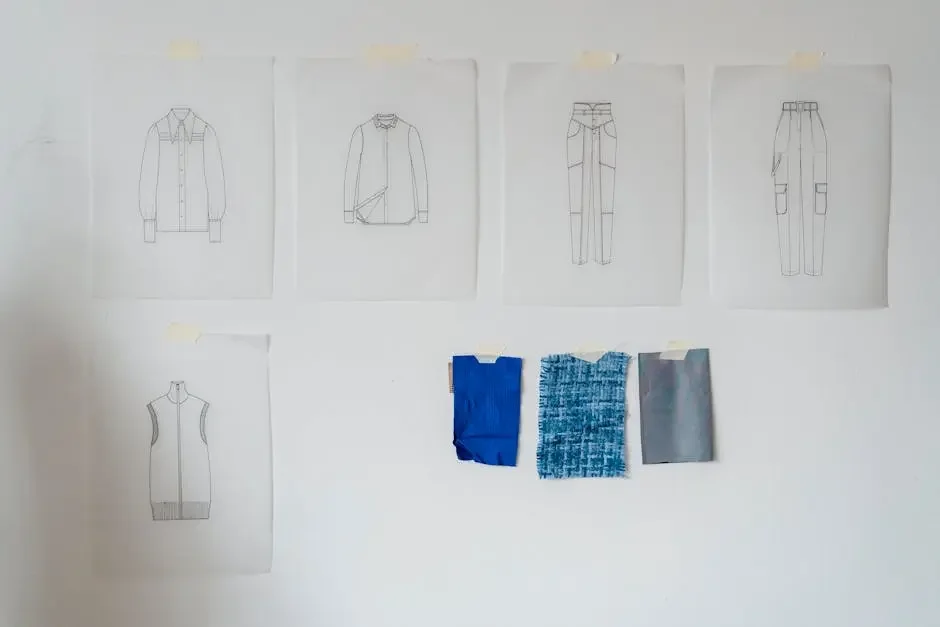
What is Pattern Making?
Pattern making is the process of creating templates or blueprints for parts of a garment. These templates guide fabric cutting and assembly, ensuring a cohesive final product.
Imagine pattern making as the skeleton upon which a garment is built. Without it, there's no structure to guide the formation of the fabric into its final form. It involves drafting precise shapes on paper or digitally, which serve as cutouts for each piece of fabric that will compose the garment.
This component of fashion design bridges the imaginative sketches of designers with the tangible cloth. Think of it as a translator of ideas into reality, outlining every curve, seam, and edge required to make the garment work.
A pattern maker must possess strong mathematical skills, as the accuracy of the patterns directly impacts the quality and fit of the clothing. Even minor errors in measurements can result in poorly fitting garments.
Why is Pattern Making Important?
Pattern making is crucial because it affects the fit, style, and overall quality of the garment. Without accurate patterns, even the most beautiful fabric can't be transformed into a well-fitting garment.
Consider pattern making as the backbone of garment design. Its absence or any inaccuracies can lead to flaws in the final product, such as ill-fitting clothes or distorted silhouettes. High-quality patterns ensure that each component of a garment fits together seamlessly.
The importance of pattern making is magnified in high fashion, where precision is paramount. Detailed patterns enable the creation of complex structures and designs, setting apart luxury garments from the rest.
Moreover, pattern making facilitates cost-effectiveness. With perfect measurements and clear instructions, fabric waste is minimized and production time is reduced.
At Patterns World Inc., we pride ourselves on precision in our pattern making process, ensuring every garment reflects our commitment to quality and style.
How Does Pattern Making Influence Design?
Pattern makers work closely with designers to translate their sketches into wearable garments. They ensure every design element is feasible and functional when the garment is constructed.
The relationship between designers and pattern makers is symbiotic. Designers bring creativity, while pattern makers dial these visions into practical forms, ensuring imagination can become wearability.
Pattern making influences the feasibility of a design. A designer may envision an extravagant dress, but it's the pattern maker who assesses whether it can be achieved with current materials and techniques.
Through pattern making, the smallest of details come to life. Elements like darts, pleats, and seams owe their existence to skilled pattern manipulation, bringing sophistication and elegance to the garment.
The Role of Technology in Modern Pattern Making
Today, digital tools and software have revolutionized pattern making. These technologies enhance precision, save time, and allow for easy adjustments, making the process more efficient than ever.
With innovations like 3D modeling and CAD systems, pattern makers now have unprecedented capabilities, allowing for comprehensive testing and virtual fittings before a single piece of fabric is cut.
Digital pattern making signifies growth in eco-conscious practices by reducing waste and enabling designs that require fewer resources to produce.
At Patterns World Inc., we employ cutting-edge technology to optimize our pattern design processes, ensuring the highest standards of accuracy and innovation.
Conclusion: The Essential Role of Pattern Making in Garment Creation
Pattern making is more than just drawing lines; it's a sophisticated art form that serves as the foundation for garment development. By understanding and mastering the role of pattern making, designers and manufacturers can ensure garments that not only look good but also fit beautifully, creating a satisfying experience for both the creator and the wearer.