
15 Steps to Bringing Your Women's Clothing Ideas to Life in LA
Dreaming of launching your own women's clothing line in the vibrant city of Los Angeles? There's no better place to bring creative fashion ideas to life than in this bustling hub of culture and style. From inspiration to execution, let’s walk through the essential steps to transform your vision into reality.
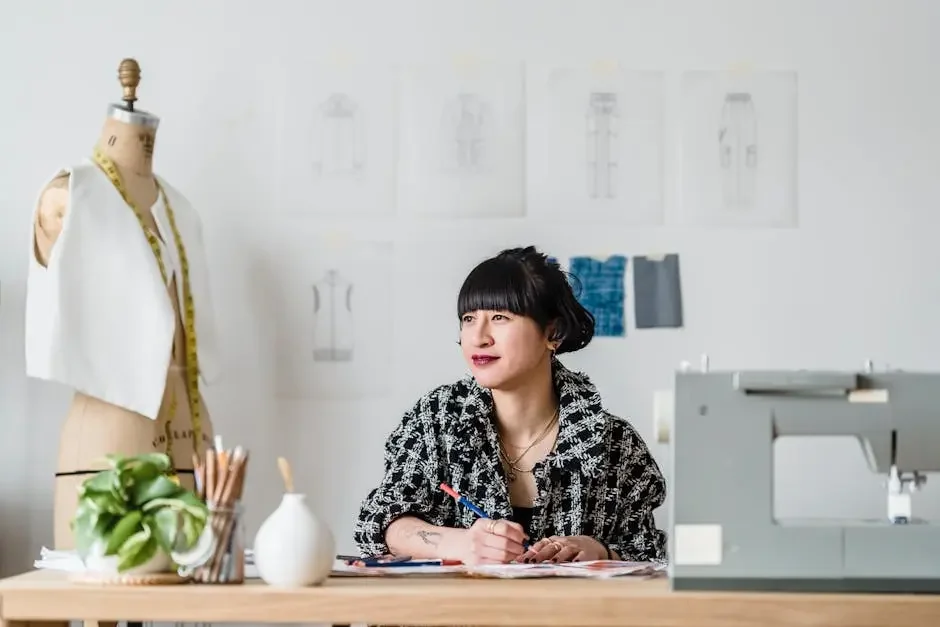
1. Finding Inspiration in LA's Fashion Scene
Inspiration is the first step on any creative journey. Los Angeles is a melting pot of styles where you can explore countless trends, from Hollywood glamour to laid-back beach vibes. The city’s vibrant fashion week offers a perfect opportunity to immerse yourself in groundbreaking designs and fresh ideas. Walking through neighborhoods like Melrose Avenue or exploring vintage shops can spark that creative fire you need to start designing.
Visiting local art exhibits or the numerous museums around LA can also help you find unique inspiration. The cross-pollination of art and fashion often results in innovative designs that resonate well with diverse audiences. Fashion is an evolving art form, and drawing ideas from other artistic disciplines can give your clothing line an edge in creativity.
2. Defining Your Unique Style
Crafting your unique style identity is crucial. Consider what sets your clothing line apart and how it resonates with your personal aesthetic and story. Your brand’s voice should reflect your values and connect with your audience's aspirations. The style embodiment of your creations should be both authentic and appealing to your ideal customer.
Explore creating a mood board that will guide the elements of your designs. This can help in visualizing the essence of your brand, from color schemes to fabric textures. By amalgamating your inspirations into cohesive themes, you create a blueprint that informs your design process and ensures a consistent brand narrative.
3. Researching the Market
Understanding the market is key to success. Dive into research to identify your target audience and analyze current trends in women's clothing. Is there a growing demand for sustainable fashion or bold prints in Los Angeles? By pinpointing these trends, you can tailor your product line to meet market needs while standing out from competitors.
Tools like social media analytics and fashion trend reports are invaluable resources. They can help you ascertain what demographics are most engaged with specific fashion types. Examining competitors' successes and areas of improvement can also reveal gaps in the market that your brand could potentially fill.
4. Sketching Your Designs
Begin translating ideas into tangible sketches. Visualize details like fabric choices, color palettes, and garment silhouettes that reflect your brand's essence. Start with rough drafts and gradually refine your drawings to achieve the perfect design. Sketching not only gives shape to your ideas but also helps in communicating your concepts effectively with others.
Leverage digital design tools to bring precision to your sketches. Software like Adobe Illustrator offers capabilities to create clean, professional drafts and experiment with different design aspects before settling on the final piece. This digital approach can speed up your workflow while allowing for creative exploration.
5. Creating Prototypes
Turn your sketches into prototypes. This hands-on step involves cutting patterns and selecting materials, bringing your designs to life for the first time. Fabric selection is pivotal at this stage; choosing the right texture and weight can elevate the garment’s look and feel dramatically.
Collaborate closely with sample rooms or fabric experts to ensure fidelity to your original sketches while addressing any technical challenges. Adjustments and fine-tuning are a natural part of prototyping, helping you edge closer to the final product that perfectly embodies your vision.
6. Building Your Brand Identity
Establish a strong brand identity that captures your vision. This includes creating a memorable name, logo, and brand voice that resonates with your audience. Branding should encapsulate what your company stands for while appealing visually and emotionally to your target market. Having a coherent narrative enables potential customers to build a connection with your brand.
Engage with graphic designers to create visually striking logos and branded materials that leave a lasting impression. These elements will play a critical role in how consumers perceive your brand and differentiate it from the surfeit of competitors.
7. Sourcing Quality Materials
Securing high-quality materials is essential for crafting garments that stand the test of time. Seek local suppliers in LA known for premium textiles. Collaborate with mills that offer sustainable materials to align with the growing demand for eco-friendly fashion, which adds immense value to your brand offering.
Visiting textile fairs or exhibitions can be an excellent way to explore a variety of fabric options and discover innovative materials that could set your designs apart. Building relationships with trustworthy suppliers assures a constant flow of quality resources, vital for the consistent production of your lines.
8. Collaborating with Talented Designers
If needed, collaborate with skilled designers and technical experts to refine your creations. LA is home to numerous talented professionals eager to innovate. Consulting with experienced individuals not only brings fresh perspectives but also enhances your skill set as a designer.
Attend design meet-ups or creative workshops to network and potentially find collaborators whose expertise complement your vision. Building a team of passionate creatives can significantly amplify the quality and impact of your clothing line.
9. Setting Up Production
Choose a reliable production facility that aligns with your brand's values. Consider sustainability and local manufacturing options to appeal to conscientious consumers. Opting for sustainable production not only attracts eco-conscious clientele but often enhances brand reputation and loyalty.
Tour different facilities to understand their capabilities and assess how well they can meet your quality standards and production timelines. Partnering with a reputable LA-based manufacturer ensures your operations stay local, supporting the city’s economy and reducing shipping costs.
10. Establishing an Online Presence
A robust online presence is crucial in today’s digital world. Design an engaging website and leverage social media platforms to showcase your collection and connect with potential customers. A visually appealing website with intuitive navigation and seamless purchasing experience can significantly enhance your online brand.
Utilize platforms such as Instagram and Pinterest to attract and interact with a broader audience. Consistent, engaging content showcases your products and tells your brand story, creating a community and strengthening customer relationships.
11. Networking in the Fashion Community
Build strong relationships within LA's fashion community. Attend events, collaborate with influencers, and engage with other designers to gain visibility. These connections can provide opportunities for collaboration, mentorship, and even partnerships that drive mutual success.
Join fashion associations or communities that match your brand ethos to increase your network of like-minded individuals. Such involvement ensures you remain informed about industry trends, upcoming events, and invaluable learning opportunities.
12. Marketing Your Clothing Line
Devise a comprehensive marketing strategy to promote your brand. Utilize online marketing, local events, and press releases to reach your target audience effectively. Crafting compelling stories behind each piece in your collection can captivate potential customers.
Consider collaborating with bloggers or fashion magazines for features or editorial placements, expanding your brand’s reach to their followers. Incorporating customer testimonials into your marketing narrative also boosts credibility and desirability.
13. Hosting a Fashion Launch Event
Celebrate your launch with a memorable event that highlights your collection. Invite industry insiders, media, and potential customers to experience your brand firsthand. A well-executed event can generate significant buzz and provide the perfect platform for engaging with your audience.
Consider unique venues that reflect your brand’s personality, offering activities or experiences that differentiate your event from others. Personalized interactions and memorable moments from the launch are often shared widely on social media, further boosting exposure.
14. Gathering Feedback and Iterating
Post-launch, gather feedback to understand what resonates with your customers. Use these insights to iterate on designs and improve future collections. Customer satisfaction surveys or focus groups offer valuable insights into areas of improvement for your products and services.
Continually updating your offerings based on feedback ensures that you remain aligned with customer desires, fostering loyalty. Incremental improvements to your designs or service can lead to a more sophisticated and well-tailored fashion line.
15. Scaling Your Business
Plan for growth by exploring new markets, expanding product lines, or increasing production. Stay adaptable to scale your business efficiently in the competitive fashion industry. Strategic partnerships or collaborations can open doors to broader markets much quicker than going alone.
Invest in technology to streamline operations, ensuring your business remains efficient as it expands. Analytics and data-driven decision-making will guide you in maximizing your growth opportunities while remaining true to your brand values and vision.