
What Role Does Pattern Making Play in Garment Development?
Pattern making connects a garment design with the fabric pieces used to construct it. During development, the pattern and sewn sample are reviewed together so fit, proportions, and construction can be refined before grading or production. Understanding that sequence helps designers prepare a more useful brief and avoid approving an unfinished pattern.
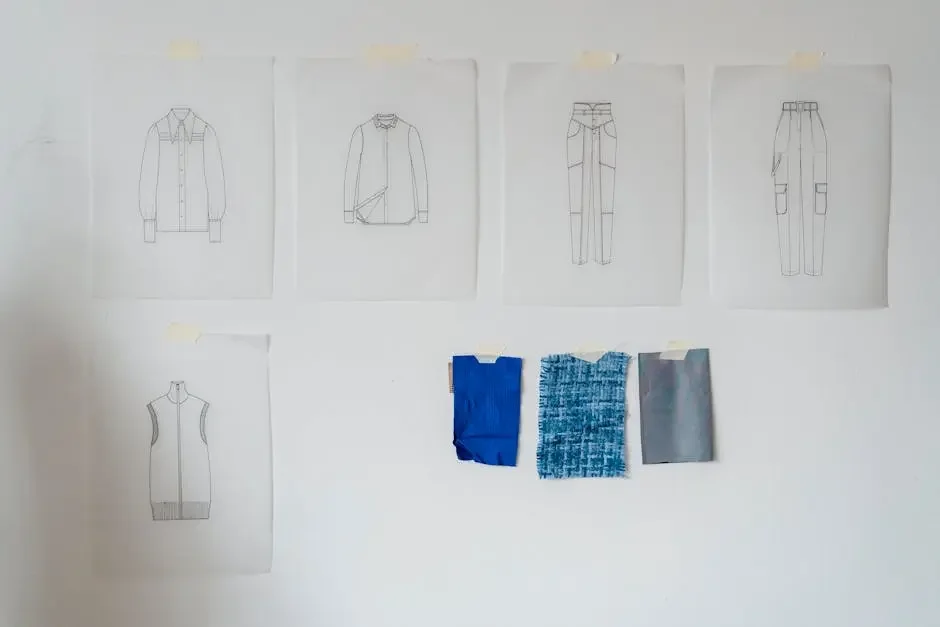
What Does the Pattern Establish?
A garment pattern defines the shapes of the pieces, their relationship to one another, and the information needed for cutting and assembly. Depending on the project, that includes grainlines, notches, seam allowances, fold lines, and details such as pocket or closure placement.
The pattern must account for the intended fabric and construction. A sketch alone cannot resolve every question about ease, balance, movement, or how a detail will be sewn.
Why Make a Sample from the Pattern?
A sample tests decisions that are difficult to assess on paper. It lets the team review how the garment sits on the body, whether the proportions match the design, and whether the proposed construction works with the fabric. Fitting and construction notes should lead to clearly recorded pattern corrections.
Does Digitizing a Pattern Make It Production-Ready?
A digital file can support sharing, grading, and production preparation, but the file format does not establish that a pattern fits or has been approved. The important questions are which version it represents, whether it matches the approved sample, and whether the receiving production team has the information it needs.
Patterns World develops patterns and samples as part of its apparel development services in Los Angeles. Project-specific file and handoff requirements should be discussed when the scope is established.
When Should Grading Begin?
Resolve the base garment’s fit and construction before treating its pattern as the foundation for a size range. Grading an unapproved pattern can carry an unresolved issue into additional sizes. Grade rules and size-set review should reflect the brand’s intended customers and sizing requirements.
Read about our grading and marking services for the next stage of production preparation.
What Should a Designer Bring?
Design references showing the front, back, and important details.
The intended fabric and trims, or clear information about them.
The sample size, measurements, and fit expectations.
Any existing pattern, sample, or technical information, with its current approval status.
Contact Patterns World to discuss the pattern and sample work needed for your project. A clear development brief helps the team identify what is ready and what still needs to be resolved.