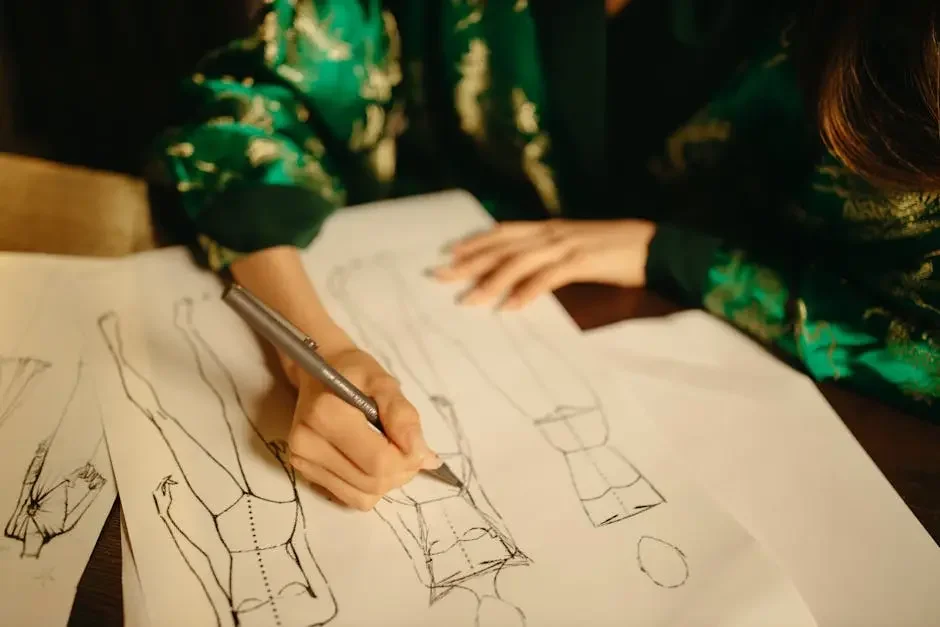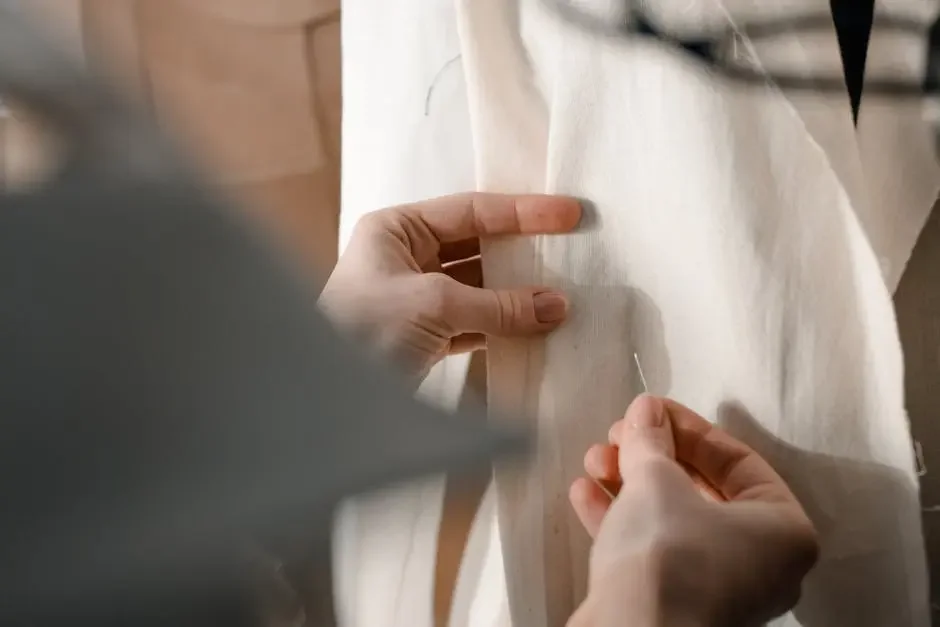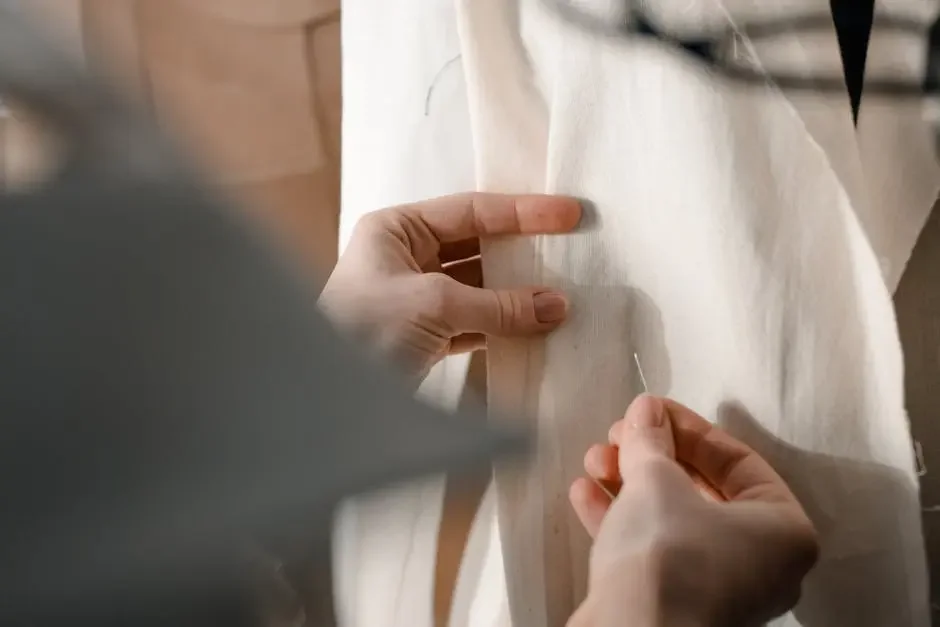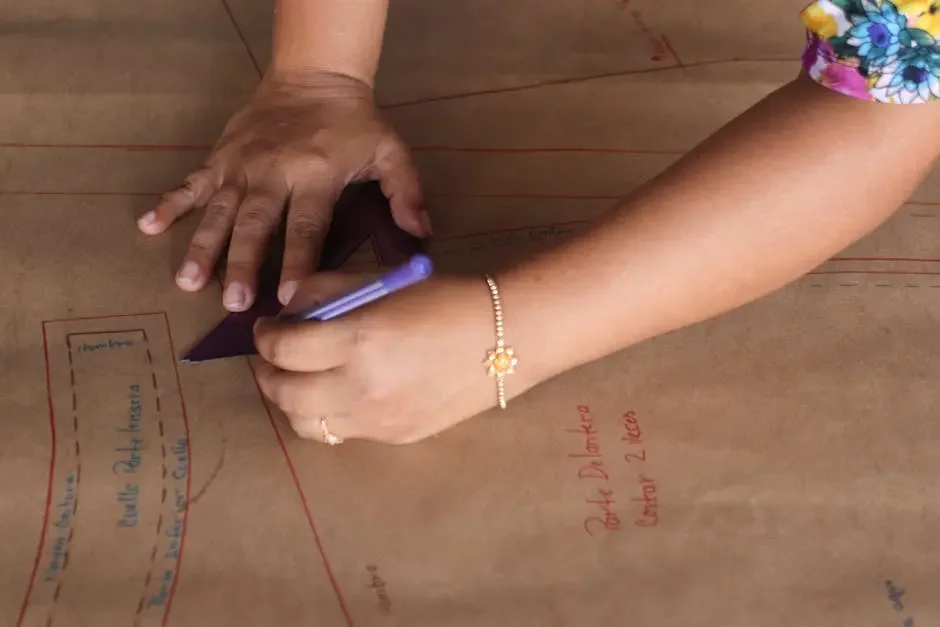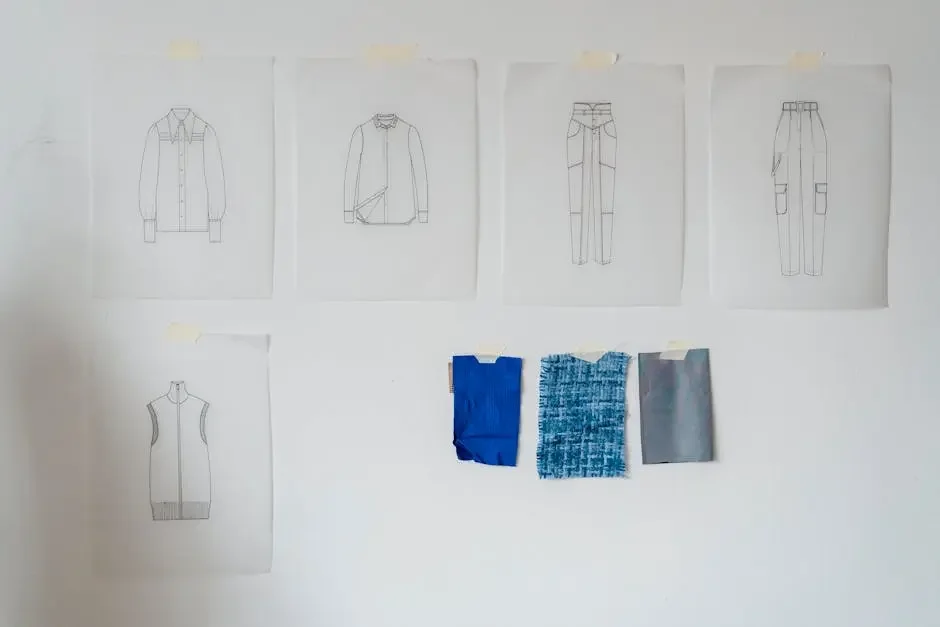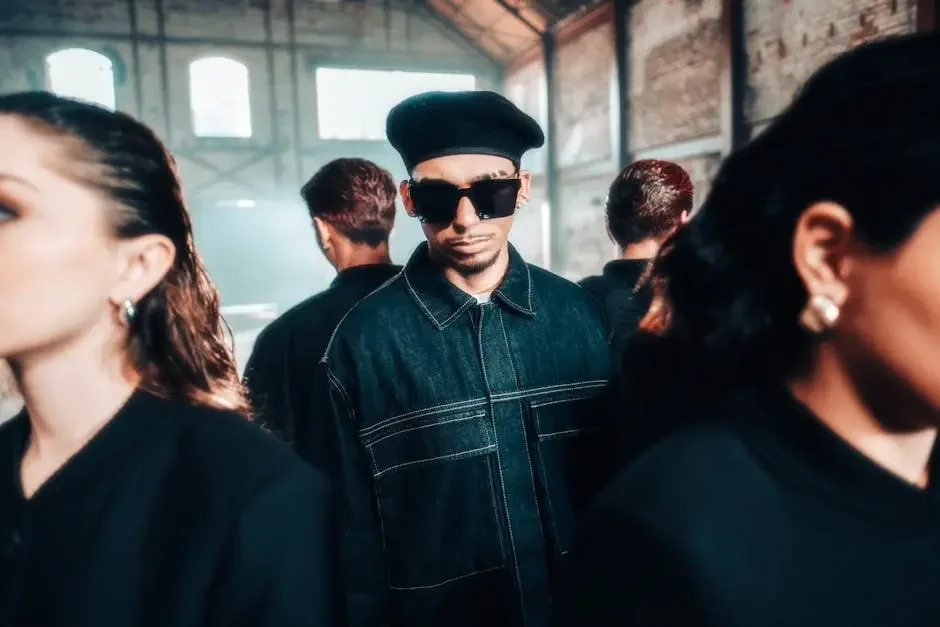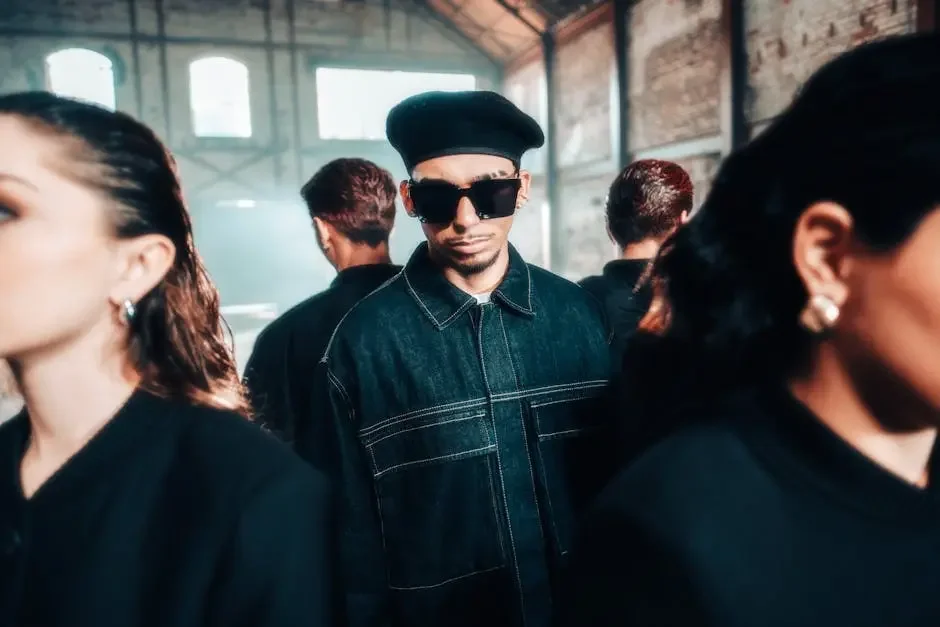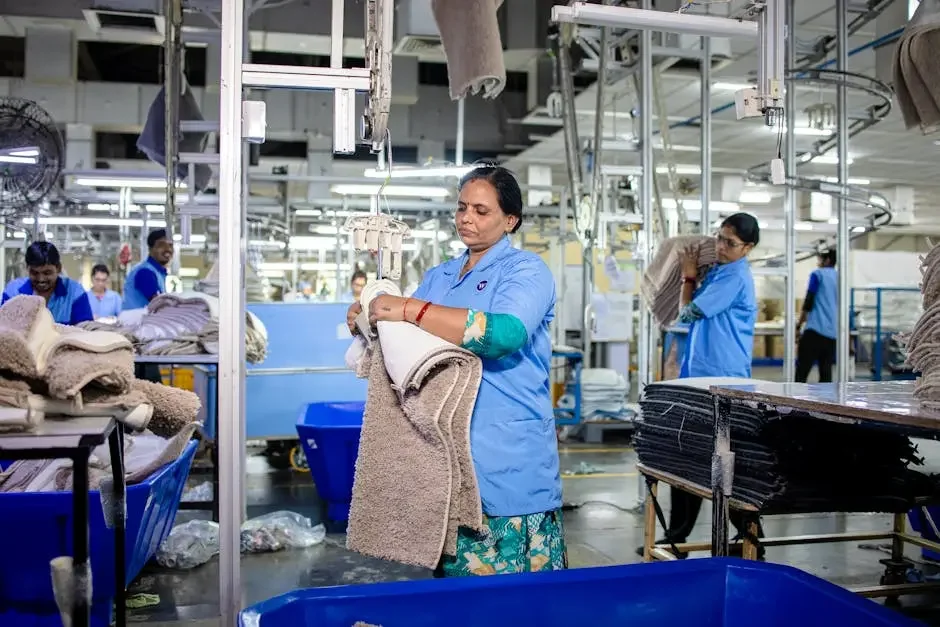
How Quality Apparel Stitching Transforms Design Concepts into Reality
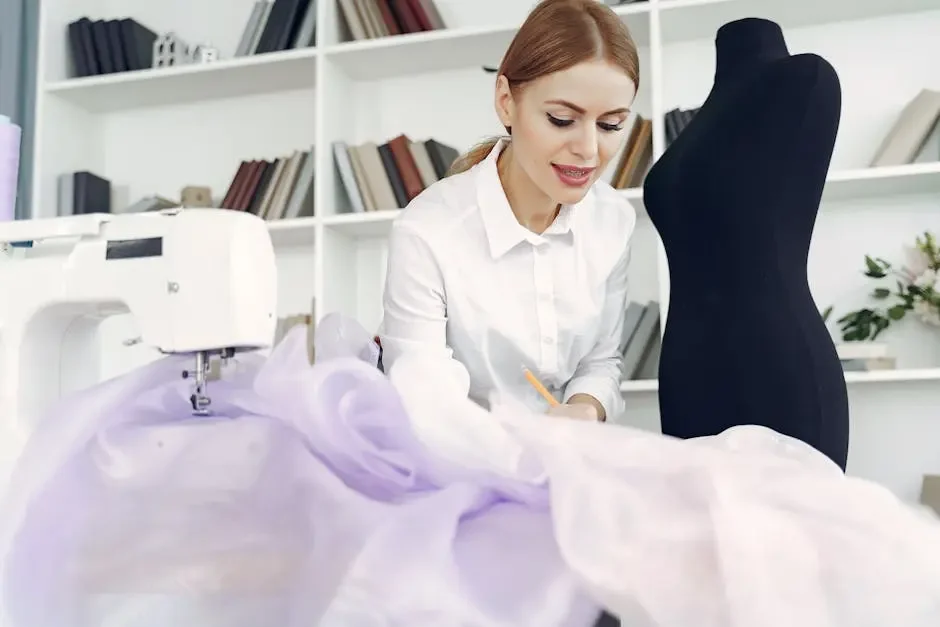
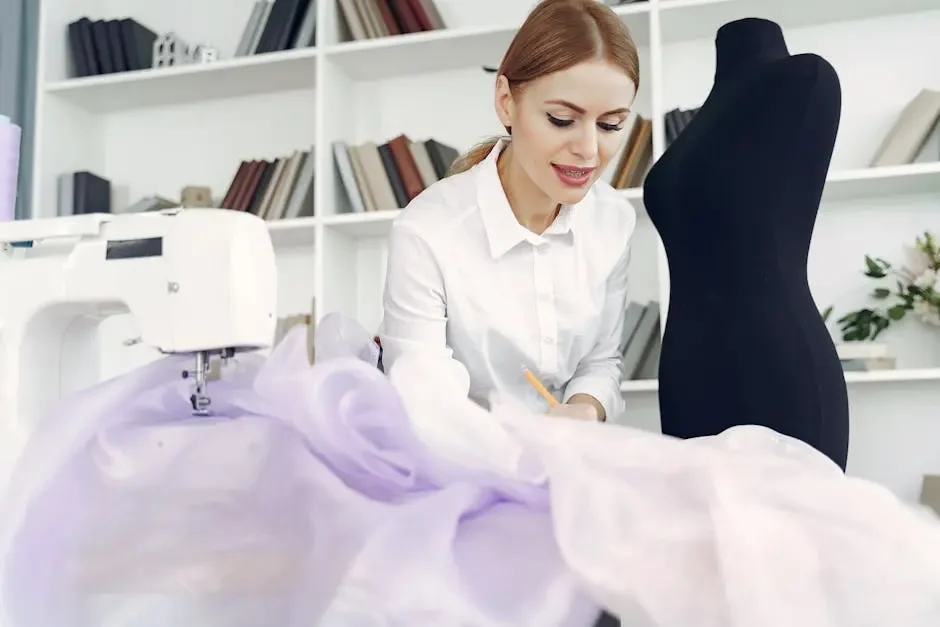
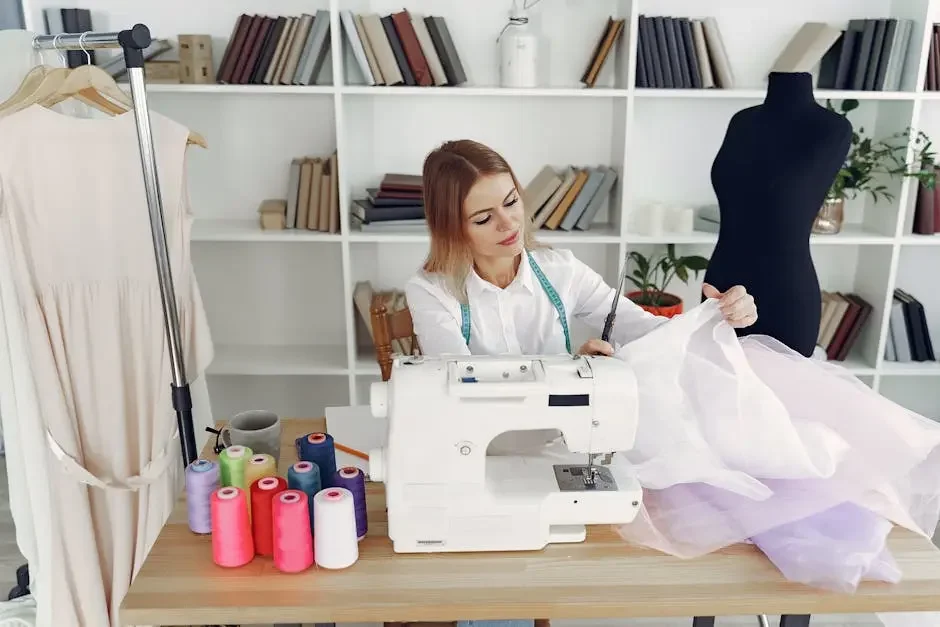
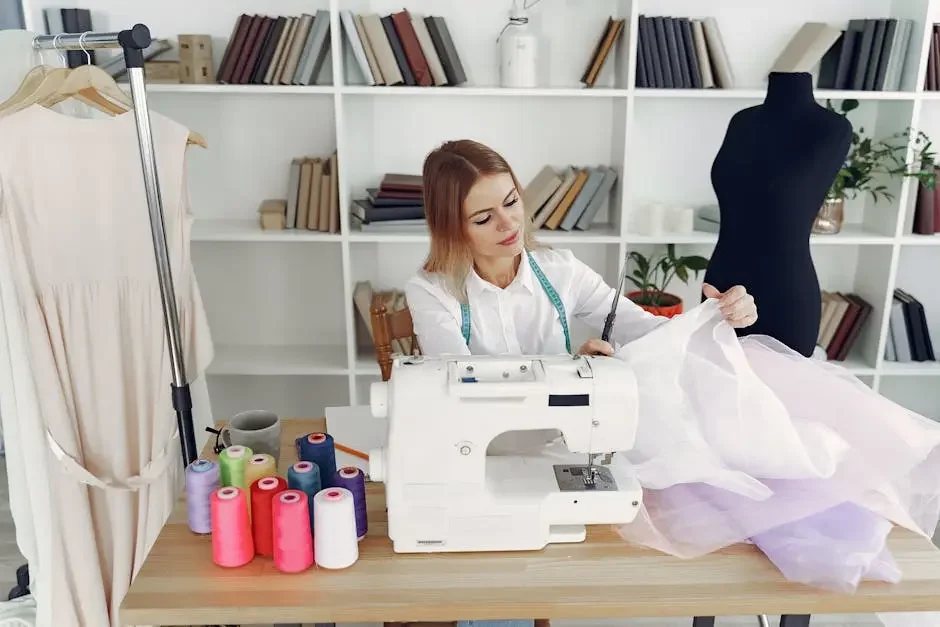
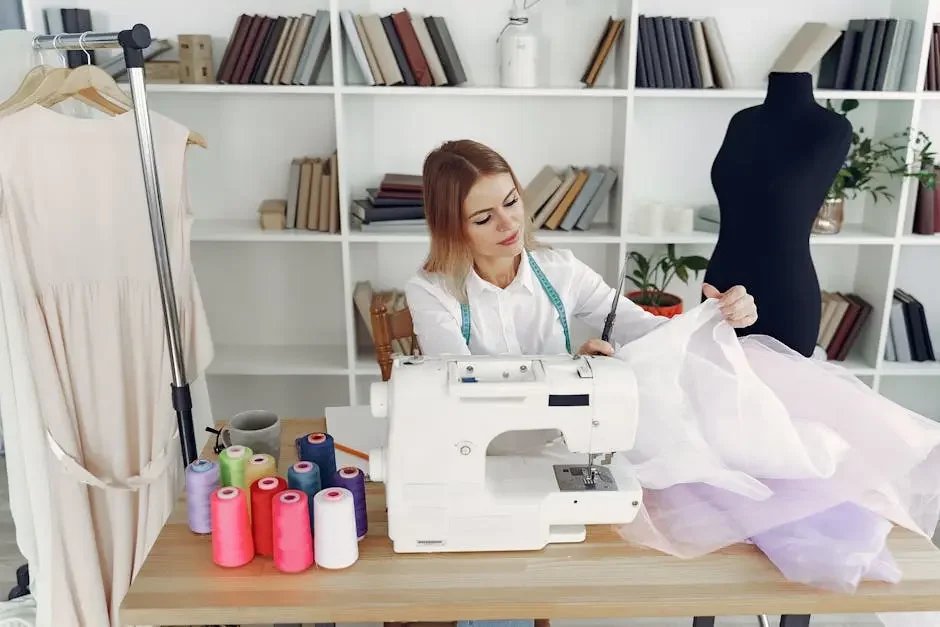
In the world of fashion, the transformation of design concepts into tangible garments relies heavily on the art of quality stitching. This often-overlooked skill plays a crucial role in bringing creative visions to life, ensuring the final product is both durable and aesthetically pleasing. Let's delve into how expert stitching can elevate design concepts and why it's an essential aspect of apparel production.
The Importance of Stitching in Fashion Design
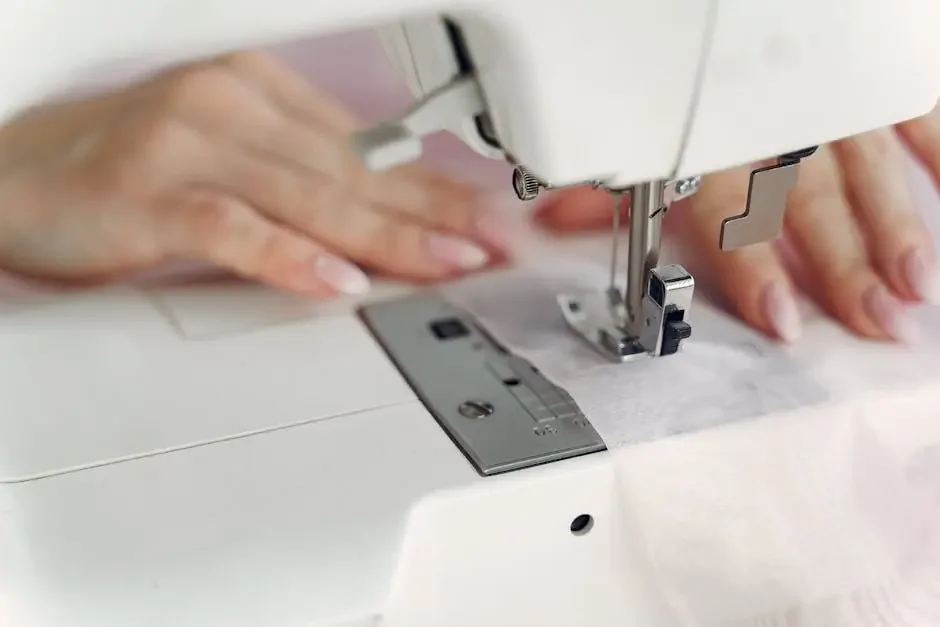
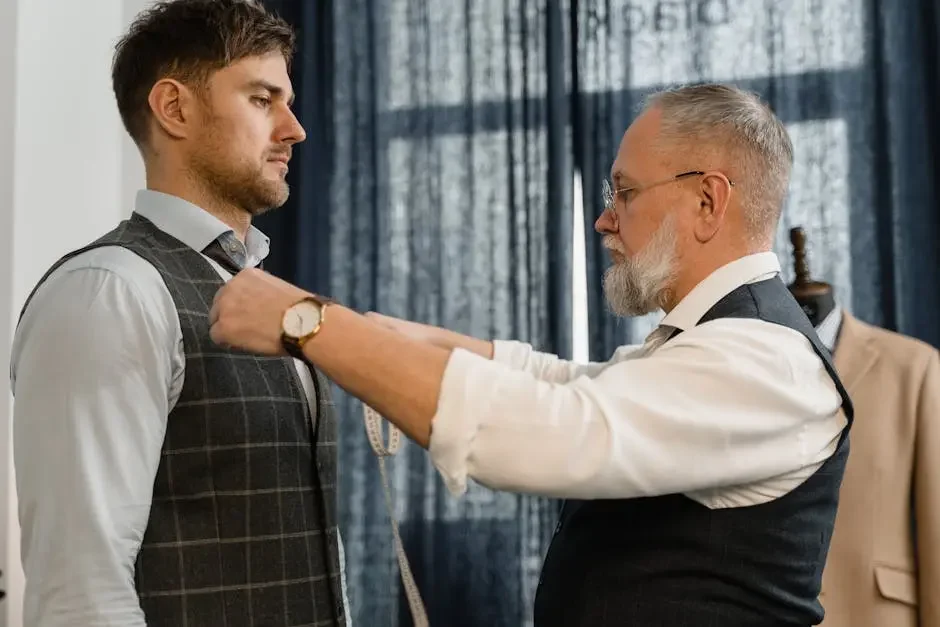
Stitching is more than just a method to hold fabric together; it's a fundamental aspect of fashion design. Quality stitching ensures a garment's fit, comfort, and overall appearance, directly impacting its look and feel.
In many ways, stitching is the backbone of garment construction, underpinning every element from fit to finish. Imagine a beautifully designed dress that lacks structural integrity; without robust stitching, its elegance falls apart—quite literally—at the seams. A properly stitched piece not only maintains its aesthetics but also enhances the wearer's comfort, a crucial factor in fashion design where form and function must coexist harmoniously.
Moreover, the importance of stitching extends beyond just keeping fabric together. In the fashion industry, where trends are ever-evolving, a design's adaptability often depends on its construction quality. Strongly stitched seams that endure daily wear and tear can transform seasonal pieces into long-lasting wardrobe staples, highlighting the role of expert stitching in creating sustainable fashion.
Technical Aspects of Quality Stitching
Understanding the technical side of stitches, such as types and tension, can greatly influence the outcome of a garment. It's essential for the stitch to be aligned with the fabric and design needs to enhance longevity and presentation.
At the heart of effective garment creation lies a deep comprehension of stitching techniques. Different fabrics demand different stitches; for instance, a jersey knit would benefit from a stretch stitch to ensure flexibility, while a dense wool might call for a heavier, more resilient stitch. The stitching tension must be meticulously adjusted to avoid puckering or sagging, issues that can detract from both the appearance and function of a garment.
Additionally, the choice of thread plays a pivotal role; for instance, contrasting thread can serve as a design feature, while matching threads provide a seamless look. Technical proficiency in these aspects allows a design to be faithfully realized, preserving its artistic intent and functional purpose.
The Role of Stitching in Enhancing Aesthetics
Beyond functionality, stitching adds decorative elements to apparel. From topstitching to embroidery, these techniques allow designers to embellish and personalize their creations, setting them apart in a crowded market.
The artistic potential of stitching is immense, transforming ordinary garments into works of art. Techniques such as hand embroidery offer an artisan touch, while machine stitches can create precise patterns that enhance the fabric's character. These creative applications of stitching can distinguish high-fashion pieces from mass-produced clothing, adding intrinsic value to the design.
Moreover, the use of innovative stitching patterns can also convey brand identity. A particular style of stitching can become a trademark of a designer's collection, much like a painter's signature stroke. This marries craftsmanship with artistic expression, exemplifying how stitching can be instrumental in defining high fashion's visual language.
Common Mistakes and How to Avoid Them
Even skilled designers can face challenges like uneven stitches or choosing the wrong thread. Avoiding these pitfalls requires attention to detail and a solid understanding of fabrics and stitch types.
One prevalent mistake is neglecting to prewash fabrics, which can lead to shrinkage and distorted seams post-wash. Ensuring compatibility between thread and fabric, particularly in terms of colorfastness and strength, is another critical point often overlooked. These oversights can downgrade the quality and longevity of a garment, impacting customer satisfaction and brand reputation.
To mitigate such risks, a meticulous approach to quality control is essential. Regular checks and balances across the textile process, from initial stitch test runs to final inspections, help maintain high standards and avoid costly reworks.
The Future of Apparel Stitching: Innovations and Trends
With advancements in technology, stitching methods are evolving. Explore how innovations like 3D stitching and automated machines may change the landscape of apparel design and production.
The landscape of the fashion industry is rapidly changing with the advent of technologies like automated stitching machines and 3D printing. These innovations hold the promise of increasing precision and efficiency while reducing labor costs and production times. Automated systems can standardize complex stitching patterns, offering consistency and enhancing speed without compromising on detail.
Moreover, concepts such as interactive stitching, where thread changes color or luminosity in response to touch or light, present an exciting frontier in garment design. These advancements not only optimize current processes but push the boundaries of what is possible in fashion, enabling creativity to flourish unfettered. As the industry continues to innovate, keeping pace with emerging trends will be crucial for designers intent on maintaining their competitive edge.
The Stitching Behind Every Stunning Design
In the intricate world of fashion, quality apparel stitching stands as a pillar that supports and elevates design concepts. From ensuring durability and functionality to adding intricate details that enhance aesthetics, stitching bridges the gap between imagination and reality. Whether you're a seasoned designer or an enthusiast, appreciating the value of this skill can deepen your understanding of garment creation. So next time you admire a beautifully crafted piece, remember the artistry involved in every stitch that brought it to life. Visit our homepage to discover more about our commitment to quality stitching and design excellence.
12 Must-Have Tools for Your Cut-and-Sew Toolkit
Embarking on a cut-and-sew journey requires the right set of tools to make your creative vision come to life. Whether you're a seasoned pro or just starting out, having a well-equipped toolkit will make your sewing projects smoother, more efficient, and, most importantly, enjoyable. In this blog, we'll walk through the essentials you need in your cut-and-sew toolkit.
1. The Trusty Sewing Machine
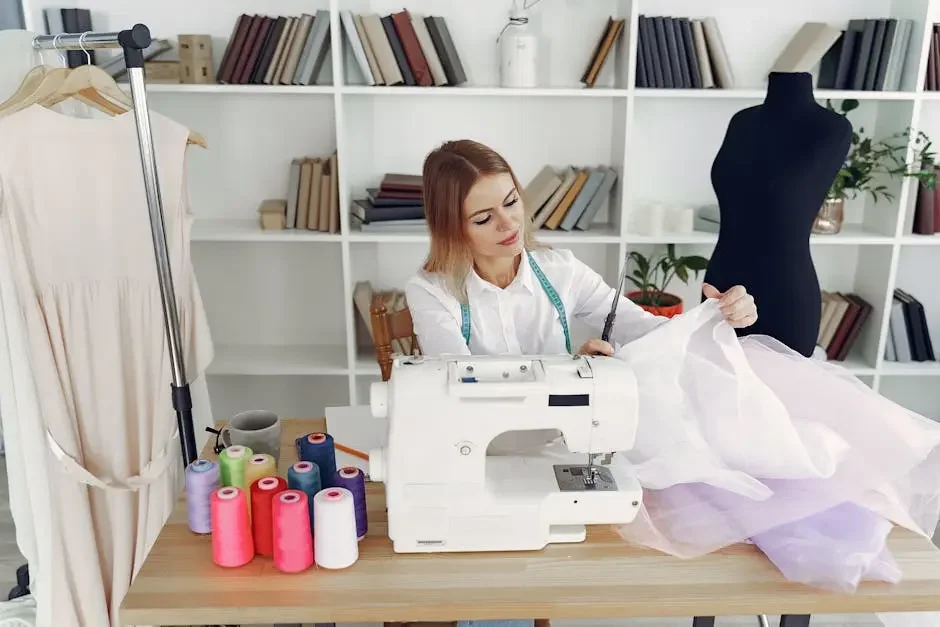
Your sewing machine is the cornerstone of your toolkit. Whether you prefer an electric or mechanical model, a reliable machine will streamline your sewing process and open up a world of possibilities in terms of design and complexity. When choosing a sewing machine, consider features like stitch variety, ease of use, and durability. Having a machine that simplifies tasks such as buttonholing and zigzag stitching can save you countless hours. To ensure longevity, regular maintenance and timely servicing are crucial. A well-maintained sewing machine can serve you for many years, making it a vital asset in your creative toolkit.
2. Essential Sewing Needles
No toolkit is complete without a variety of sewing needles. Needles for hand sewing, machine sewing, and specialty tasks ensure that you're prepared for any fabric or project you tackle. Opt for high-quality needles that suit the fabric you're working with, as they can significantly impact your sewing efficiency and the finished product's quality. From universal needles to more specialized options like ballpoint and leather needles, each serves a different purpose. Investing in a needle organizer can be beneficial, keeping your tools neat and extending their lifespan.
3. Sharp Fabric Scissors
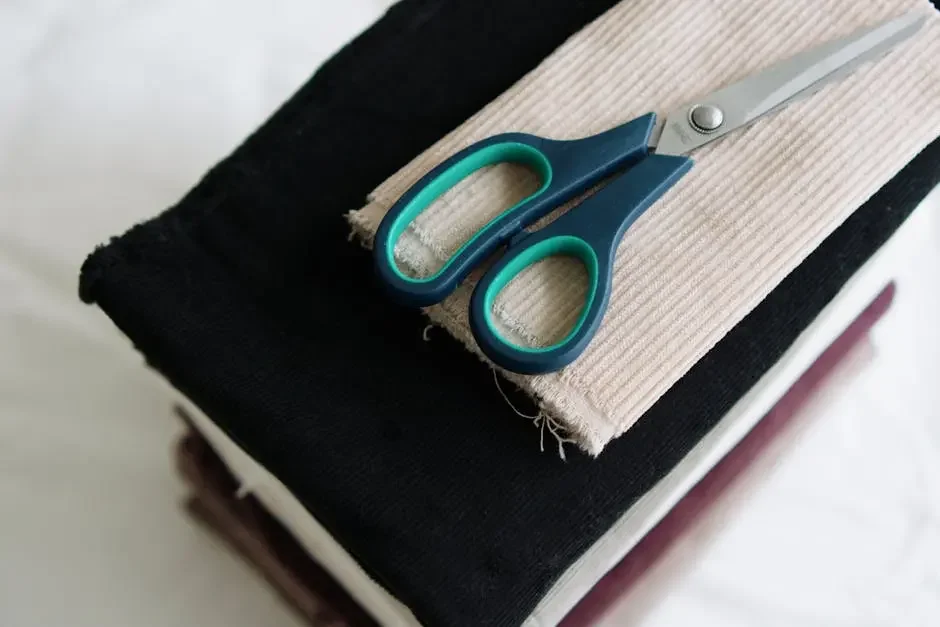
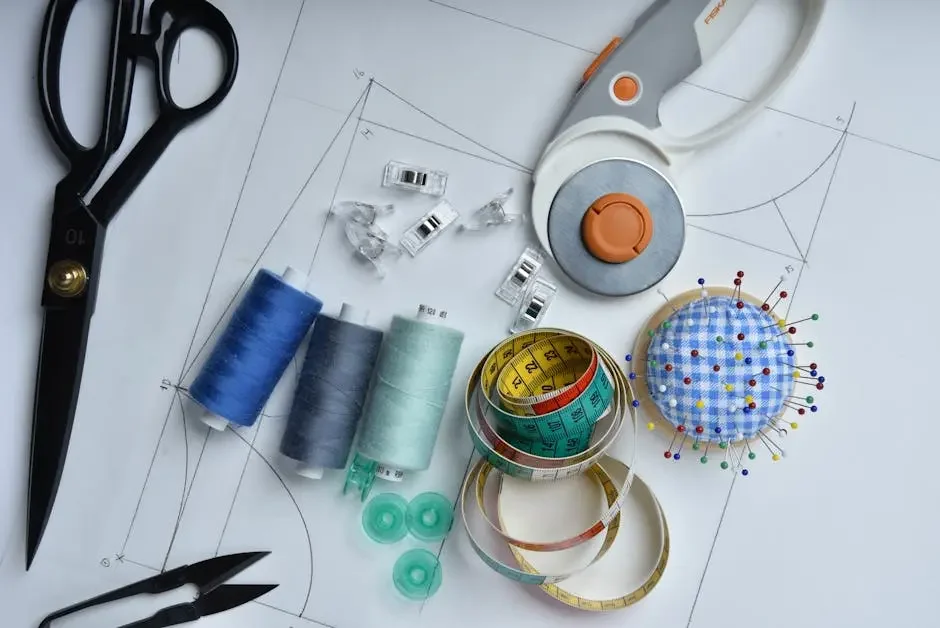
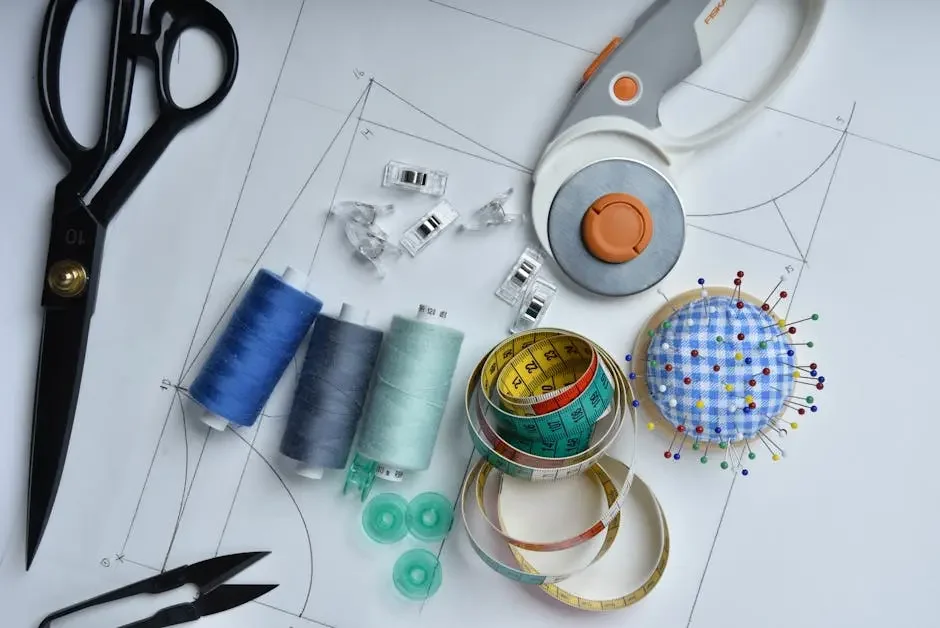
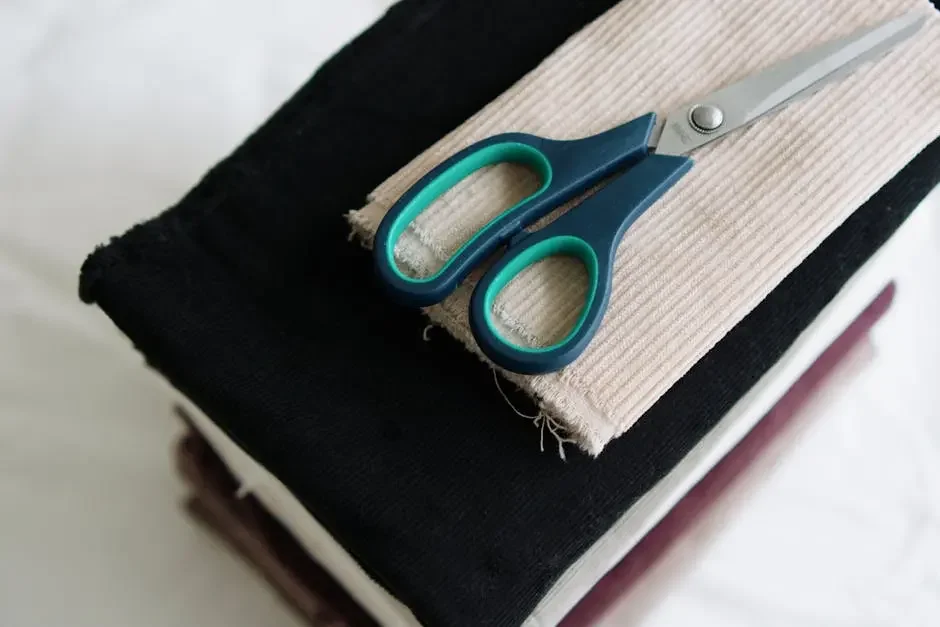
A pair of high-quality fabric scissors is crucial. They are designed specifically to cut through fabric smoothly, without fraying or damaging the material, ensuring clean and precise cuts every time. For those intricate snips, having a smaller set of sharp embroidery or applique scissors on hand can be beneficial as well. To maintain your scissors' effectiveness, store them carefully and designate them solely for fabric cutting, as cutting other materials can dull the blades over time. Regular sharpening will also keep them in top condition, ensuring your cuts remain crisp and consistent.
4. Rotary Cutter for Precision
For straight lines and intricate curves, a rotary cutter offers ease and precision that standard scissors can't match. Pair with a cutting mat for the best results. The rotary cutter’s sharp, rolling blade slices through multiple layers of fabric swiftly and accurately, making it perfect for quilting and other detailed projects. When using this tool, remember to replace the blade regularly to maintain its precision and always use it on a cutting mat to protect your surfaces and prolong the blade’s life. Handle it with care— a rotary cutter can be sharper than it looks!
5. Reliable Measuring Tape
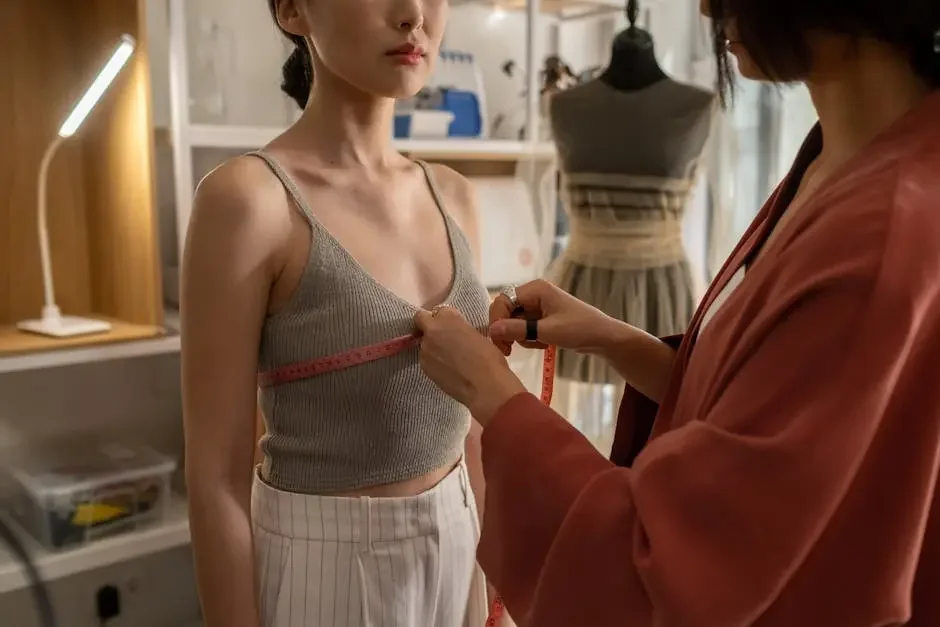
Accuracy in measurements ensures that your garments fit perfectly. A flexible measuring tape is an irreplaceable tool for taking body measurements and marking fabrics. Choose a tape that is easy to read, with both inches and centimeters for versatile use. It should be retractable or easily rollable to prevent tangling in your tool kit. For added convenience, consider getting a digital measuring tape that provides quick, precise readings. Whether you’re modifying patterns or drafting new ones, a dependable measuring tool will be integral to your sewing endeavors.
6. Chalk or Fabric Markers
Marking tools like tailor’s chalk or fabric markers are essential for transferring patterns and making adjustments. They wash out easily and leave no permanent marks on your fabrics. Depending on your project, you can choose from chalk pencils for fine, precise lines, or broader chalk slabs for more visible marks. For darker fabrics, a white or light-colored marker is ideal to ensure your guidelines are clearly visible. Always test your markers or chalk on a scrap piece of the fabric to ensure they don’t leave stains or marks that are hard to remove.
7. The All-Purpose Seam Ripper
Mistakes happen, but they shouldn't ruin your project. A seam ripper makes quick work of removing stitches without damaging your fabric, making it a lifesaver in any toolkit. Choose one with an ergonomic handle to prevent hand fatigue during extended use. Sometimes, even the most seasoned tailors find themselves needing to redo a seam or remove unwanted stitches. Having this tool on hand ensures that small hiccups don't escalate into major setbacks. Regularly replacing the blade will keep it sharp and efficient, essential for tackling tight or densely stitched seams.
8. Quality Cutting Mat
A good cutting mat not only protects your work surface but also provides a grid for accurate cutting. It pairs perfectly with a rotary cutter for efficient and precise fabric cutting. When selecting a mat, consider its size to ensure it accommodates your workspace and the project sizes you commonly work with. Self-healing mats, which reseal after cuts, provide durability and extended usability. They often come with grid lines and angles, helping you maintain precision and symmetry in your cuts, which is particularly useful for quilting and pattern making.
9. Pins and Clips for Precision
Keeping fabric in place while you work is crucial. Pins and fabric clips are essential for maintaining alignment and ensuring your pieces fit together flawlessly. Opt for high-quality pins that glide through the fabric effortlessly without leaving unsightly holes. Clips are a safer alternative for delicate materials or when working on bulky sewing projects, reducing the risk of pricking yourself. For convenience, use magnetic pin holders to keep your workspace tidy and prevent mishaps. Efficiently securing your fabric ensures a smoother sewing process and contributes to professional-quality results.
10. Versatile Iron and Ironing Board
Pressing your seams and fabric makes all the difference in achieving a polished finish. A good iron and sturdy ironing board are invaluable for giving your projects that professional touch. Choose an iron with adjustable temperature settings and steam functions to handle a variety of fabrics with care. The ironing board should be stable and adjustable to your preferred height, minimizing strain during long sessions. Investing in a pressing cloth can also be beneficial, protecting delicate fabrics while allowing you to apply the right amount of heat smoothly.
11. Variety of Threads
Having an array of thread colors and types ensures that your stitches blend seamlessly with your fabric, adding strength and beauty to your garments. Polyester and cotton threads are versatile choices for a range of projects, while silk threads provide that extra subtle sheen for luxury items. The right thread enhances the durability of your construction, while a poor choice can break easily and cause frustrations. An organized thread box can help maintain neatness and ensure you always find the right shade and type when inspiration strikes.
12. Durable Rulers and Seam Gauge
For precise measurements and pattern drafting, sturdy rulers and a seam gauge are indispensable tools that help maintain accuracy throughout your projects. Metal rulers can withstand the wear of rotary cutters, while plastic rulers offer flexibility for measuring curves. A seam gauge, with its sliding marker, is perfect for small, repetitive measurements, like marking seam allowances or hems. These tools are crucial for achieving the professional-level precision needed in garment creation and design work, making them must-haves in any well-equipped cut-and-sew toolkit.
What Are the Benefits of NFT Development in the Fashion Industry?
The fashion industry is always evolving, and with the emergence of digital innovations like Non-Fungible Tokens (NFTs), it’s heading towards an exciting digital transformation. In this blog, we'll explore how NFTs are poised to benefit the fashion world in numerous ways.
Understanding NFTs in Fashion
NFTs, or Non-Fungible Tokens, are unique digital assets stored on a blockchain. Unlike cryptocurrencies, each NFT is one-of-a-kind, making them perfect for limited edition fashion items.
The blockchain ensures that the ownership and provenance of an NFT can be verified, adding an extra layer of security and trust for both brands and consumers. In fashion, this means that each piece, whether digital or physical with a digital counterpart, can carry a pedigree that is impossible to replicate.
For fashion enthusiasts, NFTs offer a new way to engage with their favorite brands through purchasing unique digital wearables. This concept is increasingly gaining traction as fashion houses explore the idea of digital fashion shows and exclusive virtual collections.
Enhancing Brand Authenticity
Fashion brands can use NFTs to authenticate their products. By linking designs to specific NFTs, brands ensure that their customers receive genuine items, reducing the risk of counterfeits.
This authenticity guarantee is crucial in an industry where counterfeit goods can severely damage a brand's reputation. NFTs act as a digital certificate of authenticity, making it possible to track and trace the history of a product from designer to consumer.
Furthermore, NFTs can carry additional information embedded within them, such as details about the craftsmanship and materials used, which enriches the product story and deepens customer engagement.
Creating New Revenue Streams
NFTs allow fashion companies to monetize digital creations. Designers can sell digital versions of their collections as NFTs, reaching a broader audience and creating additional revenue opportunities.
These digital creations can be sold at auctions or on NFT marketplaces, attracting bids from collectors and fashion aficionados worldwide. This new market not only generates revenue but also promotes global exposure for designers.
Beyond direct sales, brands can program smart contracts into their NFTs to receive royalties from secondary sales, ensuring a continuous income stream each time an NFT changes hands.
Fostering Unique Customer Experiences
By integrating NFTs, brands can offer exclusive perks to NFT holders, such as VIP access to events, personal styling sessions, or limited edition items, enhancing customer engagement.
This approach transforms NFTs into loyalty tokens, paving the way for bespoke customer experiences. For example, owning a particular fashion NFT could unlock access to a private preview of next season’s collection or a meet-and-greet with the designer.
In essence, NFTs can serve as a bridge between digital and physical fashion experiences, creating a community of loyal customers who are invested in the brand beyond typical transactions.
Embracing NFTs: The Future of Fashion
NFT development in the fashion industry is redefining the landscape by offering designers new creative possibilities, ensuring authenticity, and opening up lucrative revenue streams. As this digital frontier continues to evolve, fashion brands that embrace NFT technology are likely to lead the charge in innovation. Explore more about our innovative solutions that can integrate NFT technology seamlessly into your brand.
Exploring the Art of Pattern Making Service in Los Angeles' Garment District
In the heart of Los Angeles, the Garment District stands as a bustling hub of innovation and creativity. At its core, pattern making services play a vital role, transforming design ideas into tangible realities. This blog will take you on a journey through the intricate world of pattern making, exploring its significance and evolution within this iconic district.
The Importance of Pattern Making in Fashion Design
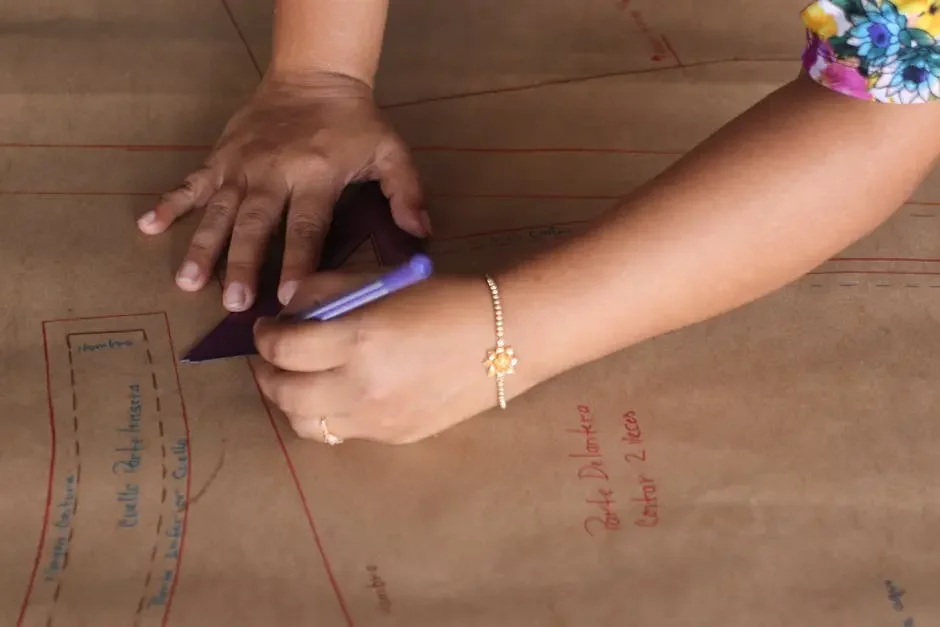
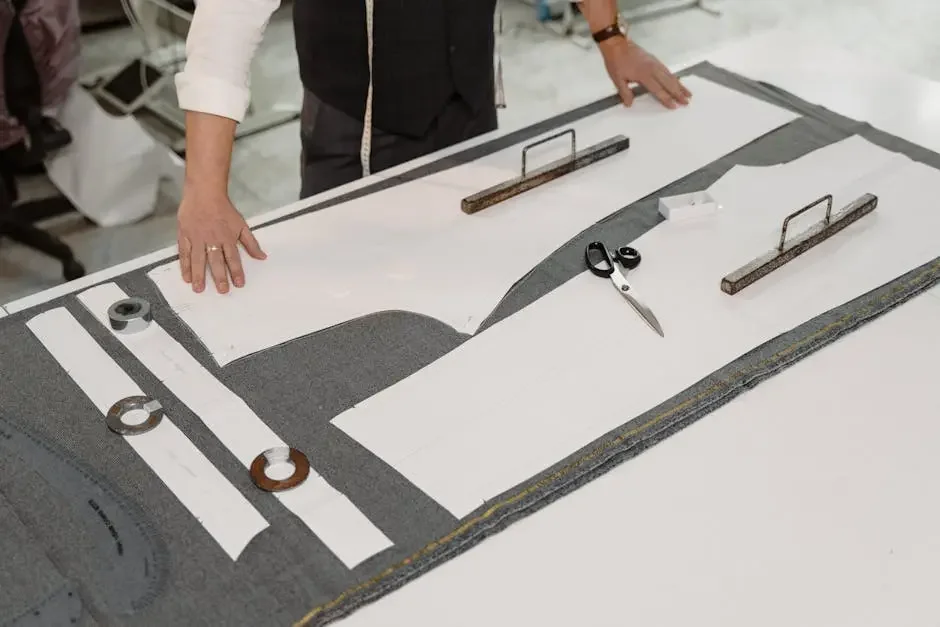
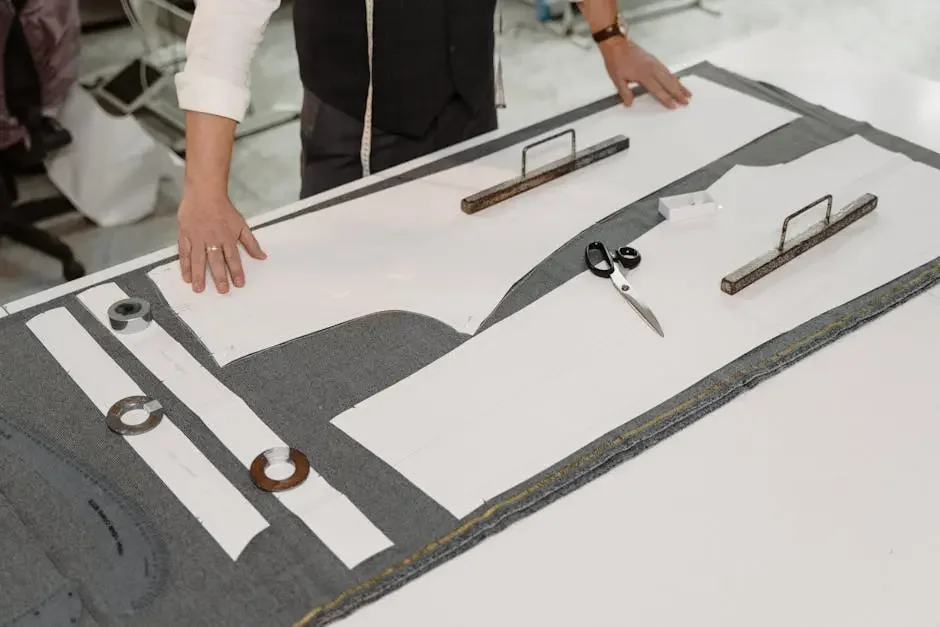
Pattern making is the blueprint of fashion design. This crucial step in the garment production process determines the exact specifications of a design. It involves creating templates that guide the cutting and sewing of fabric into finished clothing items, ensuring the design is executed perfectly.
Without precise pattern making, even the most brilliant fashion ideas can falter. Each garment starts on paper, or in today's digital age, on a computer screen, where a pattern maker translates the designer's vision into flat shapes that can be replicated on fabric. This meticulous process requires a deep understanding of fabrics, shapes, and construction, making pattern makers indispensable to any successful fashion endeavor.
Moreover, pattern making significantly impacts the efficiency of production. By setting the standards for how each piece of fabric is cut and sewn, a well-crafted pattern ensures minimal waste and optimal fit. This is particularly crucial in an era where sustainable fashion is gaining prominence. The Garment District in Los Angeles is home to many skilled professionals who are adept at marrying sustainability with style through superior pattern making services.
A Brief History of Pattern Making in Los Angeles
Los Angeles has been a key player in fashion design due to its rich history in pattern making. From the early 20th century, when the district first gained prominence, to today, the techniques and technologies have evolved, influencing fashion trends worldwide.
As the epicenter of America's garment production, Los Angeles' Garment District has been nurturing fashion innovation for decades. The post-war boom saw a thriving community of craftsmen and artists who laid the groundwork for what the district is today. During this period, the district was known for its diverse offerings, from high-end labels to streetwear, all relying on skilled pattern makers to push the boundaries of design.
By the 1980s, Los Angeles had firmly cemented its reputation as a trendsetter in the fashion world. The surge of casualwear and the genesis of the 'LA look' spotlighted the district's role in shaping global trends. Today, the legacy continues as modern designers draw from the past, melding traditional techniques with contemporary styles, thanks in large part to the district's enduring commitment to excellence in pattern making.
Modern Techniques in Pattern Making
With the advancement of technology, pattern making has embraced digital tools like CAD (Computer-Aided Design). These modern techniques allow designers to create more accurate patterns quickly, demonstrating how tradition meets innovation in today's garment industry.
Incorporating digital solutions not only speeds up the creation process but also enhances precision. For instance, with 3D modeling, designers can visualize how patterns will fit and flow on a human body before any fabric is cut. Such innovations enable designers to test multiple iterations efficiently, leading to garments that fit perfectly and look stunning.
Another fascinating facet is the rise of virtual reality in fashion design. Designers use VR to simulate runway shows or fittings, providing new opportunities to experiment with patterns and designs. This digital leap not only democratizes fashion design but also provides small and independent designers with the tools to compete on a global stage, reinforcing Los Angeles' standing as a hub of creativity and innovation.
Choosing the Right Pattern Making Service
When selecting a pattern making service, designers should consider factors like experience, reputation, and technological expertise. A great service not only delivers precise patterns but also collaborates closely with designers to bring their visions to life.
Experience plays a pivotal role. Veteran pattern makers possess a wealth of knowledge about different fabric behaviors and can anticipate potential challenges in garment construction. This foresight helps design dreams stand up to real-world testing and wear, ensuring a perfect balance between aesthetics and functionality.
Furthermore, opting for a service that incorporates the latest technology can offer a competitive edge. For example, services employing sustainable fashion practices not only remain on trend but also demonstrate industry leadership. These services often have an eye on both current fashion dynamics and future innovations, offering designers an invaluable partnership in the creative process.
The Ever-Evolving Art of Pattern Making
Pattern making in the Garment District is an art form that combines creativity, skill, and precision. This service plays a pivotal role in the fashion industry, serving as the backbone of garment creation. As the industry continues to evolve, so too does the artistry and expertise of pattern makers, ensuring that Los Angeles remains a vibrant and essential player in global fashion. To explore our services or learn more about the latest trends in pattern making, visit our homepage.
15 Steps to Bringing Your Women's Clothing Ideas to Life in LA
Dreaming of launching your own women's clothing line in the vibrant city of Los Angeles? There's no better place to bring creative fashion ideas to life than in this bustling hub of culture and style. From inspiration to execution, let’s walk through the essential steps to transform your vision into reality.
1. Finding Inspiration in LA's Fashion Scene
Inspiration is the first step on any creative journey. Los Angeles is a melting pot of styles where you can explore countless trends, from Hollywood glamour to laid-back beach vibes. The city’s vibrant fashion week offers a perfect opportunity to immerse yourself in groundbreaking designs and fresh ideas. Walking through neighborhoods like Melrose Avenue or exploring vintage shops can spark that creative fire you need to start designing.
Visiting local art exhibits or the numerous museums around LA can also help you find unique inspiration. The cross-pollination of art and fashion often results in innovative designs that resonate well with diverse audiences. Fashion is an evolving art form, and drawing ideas from other artistic disciplines can give your clothing line an edge in creativity.
2. Defining Your Unique Style
Crafting your unique style identity is crucial. Consider what sets your clothing line apart and how it resonates with your personal aesthetic and story. Your brand’s voice should reflect your values and connect with your audience's aspirations. The style embodiment of your creations should be both authentic and appealing to your ideal customer.
Explore creating a mood board that will guide the elements of your designs. This can help in visualizing the essence of your brand, from color schemes to fabric textures. By amalgamating your inspirations into cohesive themes, you create a blueprint that informs your design process and ensures a consistent brand narrative.
3. Researching the Market
Understanding the market is key to success. Dive into research to identify your target audience and analyze current trends in women's clothing. Is there a growing demand for sustainable fashion or bold prints in Los Angeles? By pinpointing these trends, you can tailor your product line to meet market needs while standing out from competitors.
Tools like social media analytics and fashion trend reports are invaluable resources. They can help you ascertain what demographics are most engaged with specific fashion types. Examining competitors' successes and areas of improvement can also reveal gaps in the market that your brand could potentially fill.
4. Sketching Your Designs
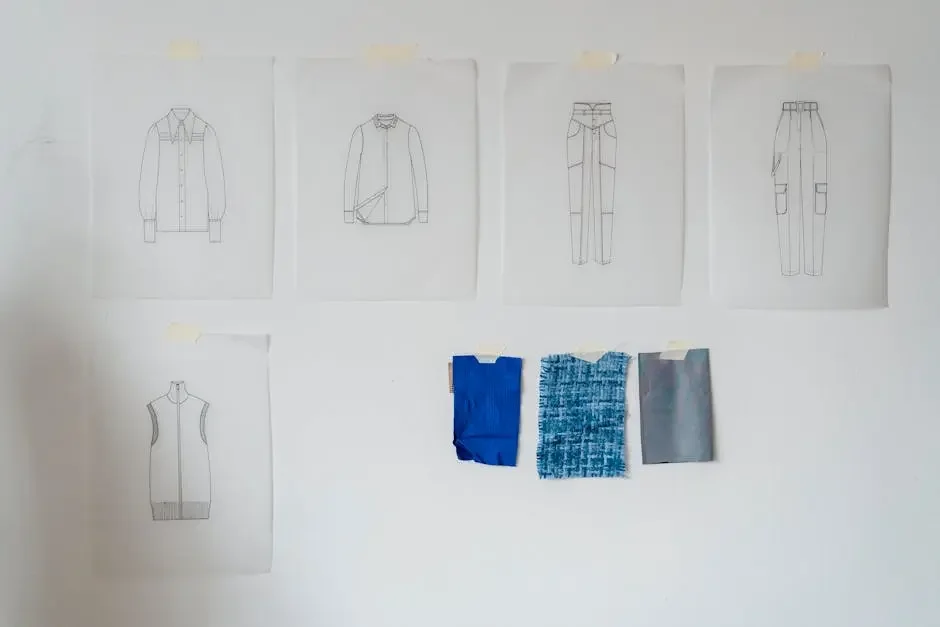
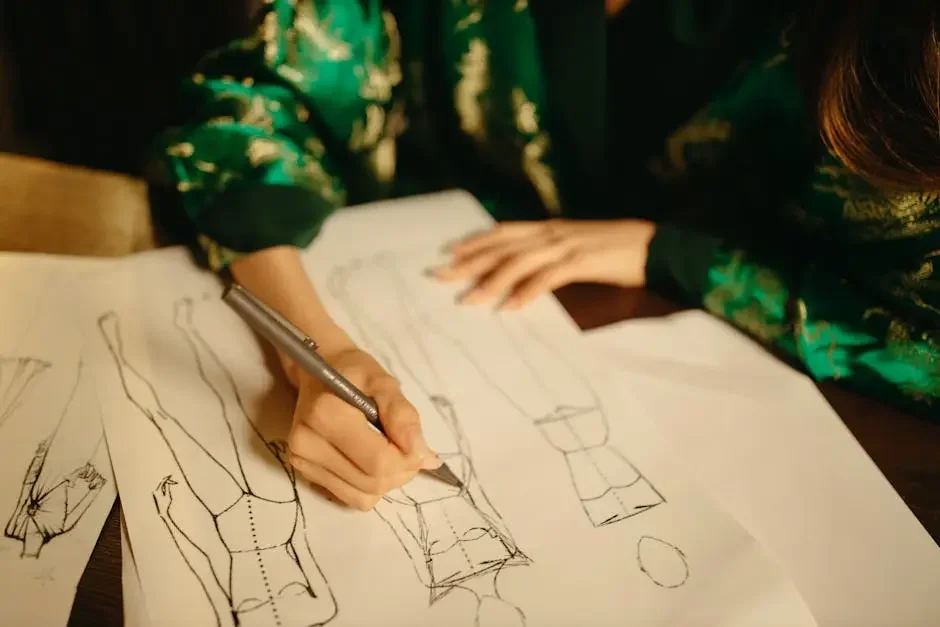
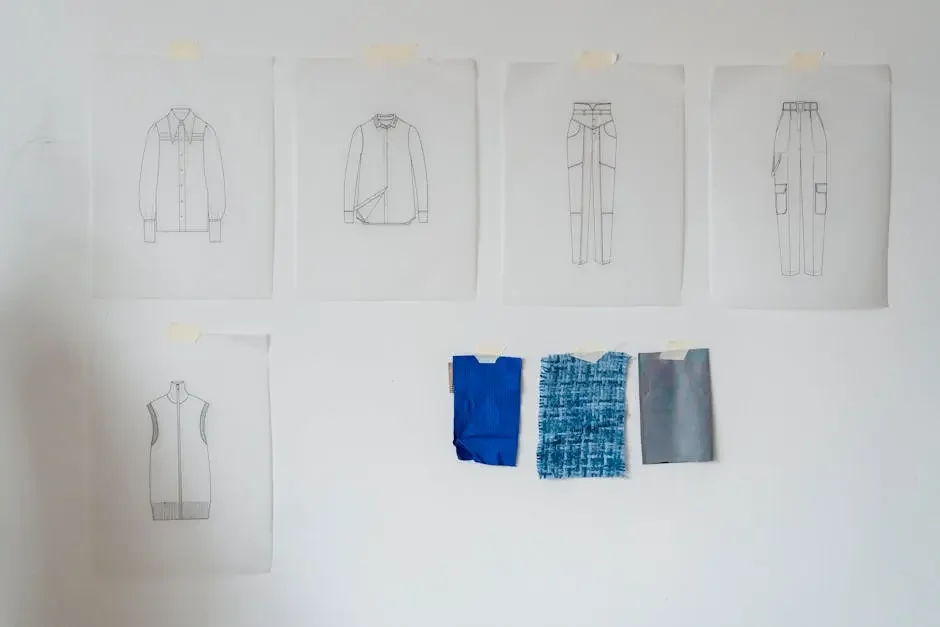
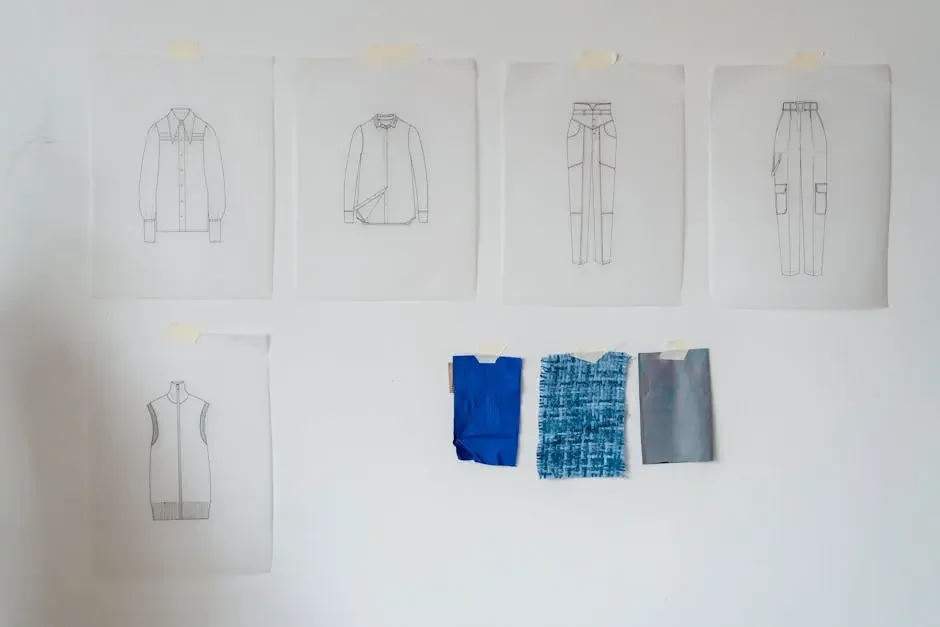
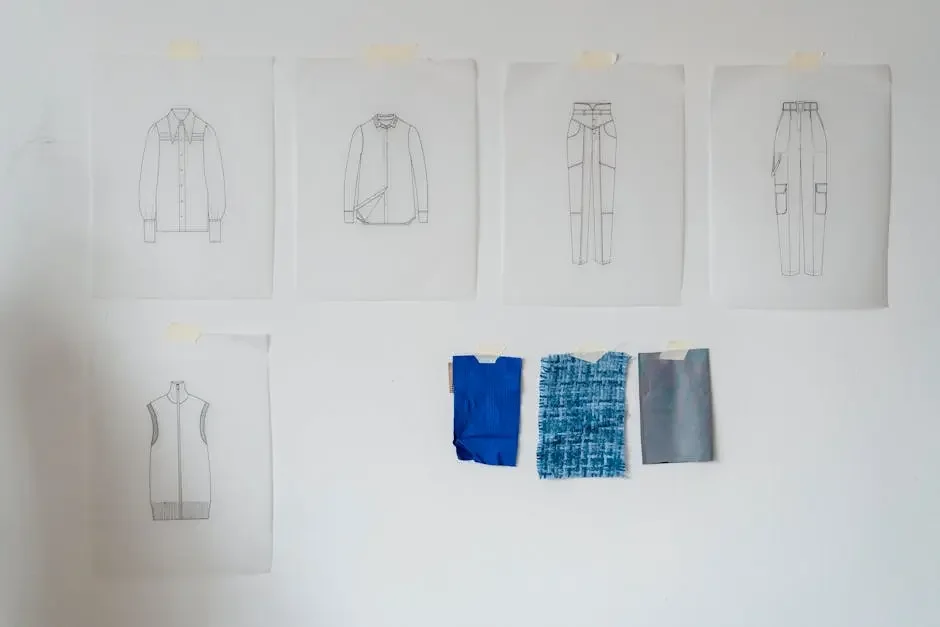
Begin translating ideas into tangible sketches. Visualize details like fabric choices, color palettes, and garment silhouettes that reflect your brand's essence. Start with rough drafts and gradually refine your drawings to achieve the perfect design. Sketching not only gives shape to your ideas but also helps in communicating your concepts effectively with others.
Leverage digital design tools to bring precision to your sketches. Software like Adobe Illustrator offers capabilities to create clean, professional drafts and experiment with different design aspects before settling on the final piece. This digital approach can speed up your workflow while allowing for creative exploration.
5. Creating Prototypes
Turn your sketches into prototypes. This hands-on step involves cutting patterns and selecting materials, bringing your designs to life for the first time. Fabric selection is pivotal at this stage; choosing the right texture and weight can elevate the garment’s look and feel dramatically.
Collaborate closely with sample rooms or fabric experts to ensure fidelity to your original sketches while addressing any technical challenges. Adjustments and fine-tuning are a natural part of prototyping, helping you edge closer to the final product that perfectly embodies your vision.
6. Building Your Brand Identity
Establish a strong brand identity that captures your vision. This includes creating a memorable name, logo, and brand voice that resonates with your audience. Branding should encapsulate what your company stands for while appealing visually and emotionally to your target market. Having a coherent narrative enables potential customers to build a connection with your brand.
Engage with graphic designers to create visually striking logos and branded materials that leave a lasting impression. These elements will play a critical role in how consumers perceive your brand and differentiate it from the surfeit of competitors.
7. Sourcing Quality Materials
Securing high-quality materials is essential for crafting garments that stand the test of time. Seek local suppliers in LA known for premium textiles. Collaborate with mills that offer sustainable materials to align with the growing demand for eco-friendly fashion, which adds immense value to your brand offering.
Visiting textile fairs or exhibitions can be an excellent way to explore a variety of fabric options and discover innovative materials that could set your designs apart. Building relationships with trustworthy suppliers assures a constant flow of quality resources, vital for the consistent production of your lines.
8. Collaborating with Talented Designers
If needed, collaborate with skilled designers and technical experts to refine your creations. LA is home to numerous talented professionals eager to innovate. Consulting with experienced individuals not only brings fresh perspectives but also enhances your skill set as a designer.
Attend design meet-ups or creative workshops to network and potentially find collaborators whose expertise complement your vision. Building a team of passionate creatives can significantly amplify the quality and impact of your clothing line.
9. Setting Up Production
Choose a reliable production facility that aligns with your brand's values. Consider sustainability and local manufacturing options to appeal to conscientious consumers. Opting for sustainable production not only attracts eco-conscious clientele but often enhances brand reputation and loyalty.
Tour different facilities to understand their capabilities and assess how well they can meet your quality standards and production timelines. Partnering with a reputable LA-based manufacturer ensures your operations stay local, supporting the city’s economy and reducing shipping costs.
10. Establishing an Online Presence
A robust online presence is crucial in today’s digital world. Design an engaging website and leverage social media platforms to showcase your collection and connect with potential customers. A visually appealing website with intuitive navigation and seamless purchasing experience can significantly enhance your online brand.
Utilize platforms such as Instagram and Pinterest to attract and interact with a broader audience. Consistent, engaging content showcases your products and tells your brand story, creating a community and strengthening customer relationships.
11. Networking in the Fashion Community
Build strong relationships within LA's fashion community. Attend events, collaborate with influencers, and engage with other designers to gain visibility. These connections can provide opportunities for collaboration, mentorship, and even partnerships that drive mutual success.
Join fashion associations or communities that match your brand ethos to increase your network of like-minded individuals. Such involvement ensures you remain informed about industry trends, upcoming events, and invaluable learning opportunities.
12. Marketing Your Clothing Line
Devise a comprehensive marketing strategy to promote your brand. Utilize online marketing, local events, and press releases to reach your target audience effectively. Crafting compelling stories behind each piece in your collection can captivate potential customers.
Consider collaborating with bloggers or fashion magazines for features or editorial placements, expanding your brand’s reach to their followers. Incorporating customer testimonials into your marketing narrative also boosts credibility and desirability.
13. Hosting a Fashion Launch Event
Celebrate your launch with a memorable event that highlights your collection. Invite industry insiders, media, and potential customers to experience your brand firsthand. A well-executed event can generate significant buzz and provide the perfect platform for engaging with your audience.
Consider unique venues that reflect your brand’s personality, offering activities or experiences that differentiate your event from others. Personalized interactions and memorable moments from the launch are often shared widely on social media, further boosting exposure.
14. Gathering Feedback and Iterating
Post-launch, gather feedback to understand what resonates with your customers. Use these insights to iterate on designs and improve future collections. Customer satisfaction surveys or focus groups offer valuable insights into areas of improvement for your products and services.
Continually updating your offerings based on feedback ensures that you remain aligned with customer desires, fostering loyalty. Incremental improvements to your designs or service can lead to a more sophisticated and well-tailored fashion line.
15. Scaling Your Business
Plan for growth by exploring new markets, expanding product lines, or increasing production. Stay adaptable to scale your business efficiently in the competitive fashion industry. Strategic partnerships or collaborations can open doors to broader markets much quicker than going alone.
Invest in technology to streamline operations, ensuring your business remains efficient as it expands. Analytics and data-driven decision-making will guide you in maximizing your growth opportunities while remaining true to your brand values and vision.
What Role Does Pattern Making Play in Garment Development?
In the world of garment development, pattern making holds a pivotal role shaping every piece of clothing you wear. This FAQ blog unravels the significance of this fascinating craft and explores its impact on the garment creation process.
What is Pattern Making?
Pattern making is the process of creating templates or blueprints for parts of a garment. These templates guide fabric cutting and assembly, ensuring a cohesive final product.
Imagine pattern making as the skeleton upon which a garment is built. Without it, there's no structure to guide the formation of the fabric into its final form. It involves drafting precise shapes on paper or digitally, which serve as cutouts for each piece of fabric that will compose the garment.
This component of fashion design bridges the imaginative sketches of designers with the tangible cloth. Think of it as a translator of ideas into reality, outlining every curve, seam, and edge required to make the garment work.
A pattern maker must possess strong mathematical skills, as the accuracy of the patterns directly impacts the quality and fit of the clothing. Even minor errors in measurements can result in poorly fitting garments.
Why is Pattern Making Important?
Pattern making is crucial because it affects the fit, style, and overall quality of the garment. Without accurate patterns, even the most beautiful fabric can't be transformed into a well-fitting garment.
Consider pattern making as the backbone of garment design. Its absence or any inaccuracies can lead to flaws in the final product, such as ill-fitting clothes or distorted silhouettes. High-quality patterns ensure that each component of a garment fits together seamlessly.
The importance of pattern making is magnified in high fashion, where precision is paramount. Detailed patterns enable the creation of complex structures and designs, setting apart luxury garments from the rest.
Moreover, pattern making facilitates cost-effectiveness. With perfect measurements and clear instructions, fabric waste is minimized and production time is reduced.
At Patterns World Inc., we pride ourselves on precision in our pattern making process, ensuring every garment reflects our commitment to quality and style.
How Does Pattern Making Influence Design?
Pattern makers work closely with designers to translate their sketches into wearable garments. They ensure every design element is feasible and functional when the garment is constructed.
The relationship between designers and pattern makers is symbiotic. Designers bring creativity, while pattern makers dial these visions into practical forms, ensuring imagination can become wearability.
Pattern making influences the feasibility of a design. A designer may envision an extravagant dress, but it's the pattern maker who assesses whether it can be achieved with current materials and techniques.
Through pattern making, the smallest of details come to life. Elements like darts, pleats, and seams owe their existence to skilled pattern manipulation, bringing sophistication and elegance to the garment.
The Role of Technology in Modern Pattern Making
Today, digital tools and software have revolutionized pattern making. These technologies enhance precision, save time, and allow for easy adjustments, making the process more efficient than ever.
With innovations like 3D modeling and CAD systems, pattern makers now have unprecedented capabilities, allowing for comprehensive testing and virtual fittings before a single piece of fabric is cut.
Digital pattern making signifies growth in eco-conscious practices by reducing waste and enabling designs that require fewer resources to produce.
At Patterns World Inc., we employ cutting-edge technology to optimize our pattern design processes, ensuring the highest standards of accuracy and innovation.
Conclusion: The Essential Role of Pattern Making in Garment Creation
Pattern making is more than just drawing lines; it's a sophisticated art form that serves as the foundation for garment development. By understanding and mastering the role of pattern making, designers and manufacturers can ensure garments that not only look good but also fit beautifully, creating a satisfying experience for both the creator and the wearer.
10 Fashion Cutting Trends Dominating the Los Angeles Garment Scene
Los Angeles has long been a hub for innovation and creativity in the fashion world. With its unique blend of cultures, artistic flair, and trend-setting celebrities, it's no wonder that the city's garment scene is buzzing with fresh and exciting styles. In this blog, we delve into the most captivating fashion cutting trends that are taking Los Angeles by storm. Whether you're a budding designer or a fashion enthusiast looking for inspiration, these trends are sure to spark your imagination.
1. The Rise of Sustainable Fashion
Sustainability is more than a buzzword in the Los Angeles fashion scene. Designers are increasingly incorporating eco-friendly materials and ethical practices into their cutting processes, resulting in chic and conscious collections. These designs not only reduce environmental impact but also appeal to a growing consumer base looking for guilt-free fashion choices.
Innovations in sustainable fashion include the use of recycled fabrics and zero-waste cutting techniques that minimize fabric waste during production. These methods are paving the way for a new era of eco-conscious style, allowing designers to create beautiful, marketable garments without compromising on their environmental values.
2. Vintage Influence in Modern Designs
Vintage fashion is experiencing a comeback, with designers drawing inspiration from past eras. The integration of retro patterns and cuts into modern design provides a nostalgic yet fresh take on fashion. This trend has captivated a younger audience eager to express individuality through classic styles that tell a story.
Incorporating vintage elements often involves repurposing vintage fabric or reimagining silhouettes with a contemporary twist. This can often mean using cutting techniques that merge the timeless elegance of the past with the inventive spirit of the present, ensuring these garments enchant audiences anew.
3. The Emergence of Gender-Neutral Fashion
Gender neutrality is reshaping the garment scene, leading to innovative cuts and designs that redefine traditional clothing norms. Los Angeles is at the forefront, championing inclusivity and diversity in fashion. The city has become a melting pot for designs that transcend gender boundaries, offering unisex pieces that appeal to a broader audience.
Fashion designers are utilizing clean, minimalist cuts and versatile fabrics that adapt to all body types. This approach not only respects individual identities but also aligns with a larger movement toward sustainable consumer habits, as versatile garments mean fewer clothes yet more ways to wear them.
4. Athleisure with a Twist
The athleisure trend is evolving with unique cutting techniques that blend comfort with high fashion. This style is perfect for those leading active lifestyles without compromising on style. Designers in LA have reimagined this category by introducing unexpected elements like asymmetric zippers, perforated designs, and tech-infused fabrics.
These sophisticated yet comfortable pieces illustrate the ingenuity behind modern athleisure, allowing for transitions from gym to street with ease and panache. Consider adding a touch of luxury to classic sport silhouettes, elevating them into the realms of sophisticated daywear with sleek, artistic elegance.
5. Intricate Cut-Out Details
Cut-out details add a sophisticated edge to garments, turning simple pieces into works of art. By expertly slicing and trimming fabric, designers are adding stunning visual interest to classic silhouettes. These cut-outs transform everyday pieces into dramatic statements that capture the eye and provoke conversation.
Emphasizing strategic skin revelations and intricate layering, these cut-out details add an artistic dimension to modern dressing, experimenting with notions of modesty and allure. They emphasize body architecture, using lines and curves to accentuate natural form while maintaining an air of sophisticated mystery.
6. Bold Asymmetrical Designs
Asymmetrical cuts are making waves in the Los Angeles fashion scene. These avant-garde designs create dynamic movement and are perfect for those looking to make a statement. Whether through skirts with dramatic slants or tops with uneven hems, asymmetry offers a new way to experiment with balance and proportion.
These imaginative silhouettes blur the boundaries of conventional design, encouraging creativity and personal expression. They challenge the linear vision of fashion, inviting wearers to play with shape and proportion in a way that's as avant-garde as it is accessible.
7. Layered Textures and Fabrics
Combining varied fabrics and textures within a single piece, layered designs bring depth and dimension to fashion. This trend highlights the artistry involved in cutting and constructing intricate garments. The juxtaposition of different materials invites touch and adds richness to any outfit.
Layering offers versatility, allowing a garment to move seamlessly across multiple settings and occasions. Designers in Los Angeles employ textural contrast—such as pairing soft silks with rugged denims—to create ensembles that are as tactile as they are visually stunning, ensuring they stand out in a crowded marketplace.
8. Revival of Neon Colours
Neon hues are back, adding vibrancy and energy to everyday wear. Alongside creative cutting techniques, these bright colors are reviving the bold aesthetic of yesteryears. By incorporating neon into fashion, designers offer a playful way to make a lasting impression.
These electrifying hues have been redesigned with modern sensibilities, featuring subtler undertones and softer finishes. The result is a line-up of clothing that's both audacious and accessible—it's a radiant way to embrace high-octane excitement in personal style without overwhelming the senses.
9. The Art of Draping
Draping is gaining popularity, with designers in Los Angeles mastering this technique to create fluid, sculptural garments. This delicate art form enhances the natural flow of fabric, offering elegance and sophistication. The method involves meticulously arranging the fabric to create an organic and luxe silhouette.
This trend highlights the intricacies and finesse involved in high fashion, where every fold, twist, and tuck is deliberate and methodical. With roots in classical antiquity, draping has seen a modern revival, lending garments a timeless grace that easily adapts to contemporary tastes and occasions.
10. Experimenting with Mixed Prints
Mixed prints challenge conventional design norms, resulting in unique and bold fashion statements. The precise cutting required to blend different patterns seamlessly is a testament to the skill of LA designers. Successfully merging contrasting designs demands both precision and creativity.
The artful coalescence of clashing motifs gives rise to garments that are genuinely original, encouraging wearers to playfully navigate the boundaries of fashion. Each piece serves as an individual canvas, showcasing ingenuity and flair by mixing florals with stripes, dots with paisleys, in ways never before imagined.
How Does the Clothing Sample Process Work?
Welcome to the world of clothing samples! Whether you're a budding fashion designer or a curious fashion enthusiast, understanding the clothing sample process is crucial. It's a journey that transforms your creative designs into tangible garments, ready for production. Let's dive into the steps that make this exciting process happen!
Understanding the Importance of Clothing Samples
Clothing samples are vital for verifying the design, fit, and overall look of a garment before mass production. They help identify any issues early on, ensuring that the final product meets your expectations.
When you think of clothing samples, imagine them as the first draft of a novel. They allow designers to assess how their vision translates into reality, providing a tangible version of their sketches. This step is essential for visualizing the final outcome and making necessary revisions. Essentially, clothing samples are a crucial checkpoint in the journey from concept to consumer, ensuring that each garment is perfected before hitting the market.
Designers rely on samples to communicate their ideas to manufacturers clearly. The importance of a well-executed sample cannot be overstated, as it sets the foundation for the entire production process. This phase is not just about testing the fit or design, but also about evaluating how materials behave when sewn together. A meticulously created sample helps in forecasting any challenges that might arise during mass production, making it an invaluable tool in mitigating risks.
Step 1: Creating the Initial Design Sketch
The journey begins with a creative spark—a design sketch. This is where your ideas start to take shape, offering a visual roadmap for the entire sample process.
A design sketch is more than just a simple drawing. It's a crucial blueprint that guides every subsequent step in the clothing sample process. The sketch conveys the designer's vision, including details about silhouette, style, and unique features, acting as the initial bridge between imagination and creation. It's the first step in articulating ideas so that team members and manufacturers can bring them to life. Whether it's a rough draft or a detailed illustration, every sketch plays an important role in shaping the final product.
Step 2: Selecting Fabrics and Materials
Choosing the right fabrics and materials is crucial in ensuring the quality and versatility of your clothing. Consider the texture, color, and durability of materials to complement your design.
Selecting fabrics is akin to choosing the ingredients for a gourmet dish. The right choice can elevate the design, while a mismatch might jeopardize the entire look. Designers must weigh factors like fabric weight, drape, and sustainability to ensure the material complements the design's purpose. For instance, a study on sustainable fabrics underscores the need to balance aesthetic appeal with responsible sourcing. This step is where the tactile experience starts to align with your creative vision.
Step 3: Crafting the Sample Pattern
Pattern making is where precision meets artistry. A sample pattern acts as a guide for cutting and assembling the fabric, laying the groundwork for a well-fitting garment.
In fashion, patterns act like architectural blueprints, offering precision and detail required for constructing a garment. This step involves transforming 2D sketches into 3D models, marking the actual sizes, shapes, and all technical specifications. A well-crafted pattern ensures that the garment pieces fit together seamlessly, which is essential for maintaining the design's integrity. While the process might seem intricate, it lays a solid foundation for the following steps, ensuring that the garment not only looks good on paper but also fits perfectly in reality.
In recent years, technology has revolutionized pattern making. Computer-aided design (CAD) tools are increasingly being utilized for digital pattern creation, enhancing accuracy and efficiency. These tools can simulate adjustments, saving time during the prototyping phase and reducing fabric waste, which is crucial for eco-friendly practices. Such advancements highlight the intersection of traditional craftsmanship with modern innovation, providing designers with sophisticated methods to bring their visions to life.
Step 4: Sewing the Sample Garment
This step involves the actual sewing of the garment. It's an opportunity to assess the initial fit and make any necessary modifications to perfect your design.
Sewing the sample garment is where the abstract meets the tangible. At this juncture, every stitch, seam, and fold contributes to the overall silhouette. This process is much more than just joining fabric pieces; it's about attention to detail and precision. Each element from zipper alignment to hem length can significantly affect the garment's final appearance, making this step pivotal in verifying all the assumptions made during the design and pattern stages. A meticulous approach here ensures any potential issues are addressed before moving to full-scale production.
Even for seasoned professionals, sewing a sample is a learning experience. It allows the designer to see how the chosen fabric behaves under tension and movement, offering insights into any potential adjustments needed for aesthetic or functional improvement. This phase not only addresses technical harmony but also provides an opportunity to experiment creatively with finishes and embellishments that could enhance the garment's market appeal.
Step 5: Reviewing and Making Adjustments
After the sample is sewn, it's time for a thorough review. Test for fit, design aesthetics, and comfort, making adjustments as needed to ensure the perfect final product.
The review stage is where the thread count meets critical scrutiny. Attention to fit involves checking proportions on real models or dress forms, ensuring absolute comfort, and affirming that the design maintains its flair. This step serves as the decisive moment where designers decide which adjustments are required for enhancing garment appeal and functionality, aligning with the brand's aesthetic goals. It often requires extensive feedback loops, addressing any defects and making iterative improvements before reapproaching the sample for approval.
Feedback is crucial at this stage. Involving diverse opinions, from production teams to focus groups, can uncover overlooked details and innovative suggestions. Designers often utilize this feedback to refine stitching techniques, reposition elements, or explore alternative trims that better suit the overall design. This continuous evaluation and adaptation ensure that by the time mass production begins, the garment meets both the designer's and consumers' high standards.
Wrapping Up the Sample Process
Understanding the clothing sample process is essential for anyone looking to bring their designs to life. From the initial idea to the final adjustments, each step is crucial in ensuring the perfect fit and design of your clothing. Whether you're just starting in fashion or refining your existing line, having a streamlined sampling process is key to your success. Visit our homepage to learn how we can assist you in your design journey!
The Role of a Pattern Designer in the Fashion Industry
In the ever-evolving world of fashion, a behind-the-scenes hero plays a pivotal role in shaping the clothes we wear. That hero is the pattern designer. Pattern designers are the creative architects who transform visions into reality, laying down the blueprint for garments. In this blog, we'll explore the essential role of a pattern designer in the vibrant fashion industry.
Understanding the Pattern Designer's Craft
Pattern designers are responsible for creating the templates used to cut and assemble various pieces of fabric into a coherent garment. Their work involves careful measurements and an understanding of how fabric behaves and drapes.
The craft of a pattern designer is akin to that of an architect. They take initial sketches and transform them into intricate patterns that dictate the success of the final product. Every line and curve plotted in the pattern has a purpose, from accommodating a subtle dart to allowing a piece to drape just right. It's a meticulous process that demands patience and precision, as the slightest miscalculation could lead to significant alterations or wasted material.
An integral part of a pattern designer's skill set is an understanding of body shapes and how different fabrics can enhance or detract from a design. This is especially important in creating garments that not only look good on paper but also fit well on diverse body types, reflecting the inclusive values of the modern fashion industry.
Bridging Creativity and Technical Expertise
Pattern designers must possess both creative flair and technical proficiency. They interpret sketches from fashion designers and translate them into detailed patterns that can be produced consistently in mass quantities.
Bridging the gap between the artistic vision of designers and the pragmatic needs of production is a fundamental role of pattern designers. They must understand the creative intentions behind a sketch and adapt it into a practical pattern. This process requires not only creative interpretation but a strong grasp of garment construction techniques. Balancing creativity and manufacturability is their daily challenge.
The Impact of Technology on Pattern Design
With technological advancements, pattern design has become a more dynamic field. Software tools now assist designers in refining their patterns, testing different styles, and even offering 3D garment simulations before the cutting process begins.
In recent years, technology has radically transformed the landscape of pattern design. Digital solutions such as CAD (Computer-Aided Design) systems empower pattern designers to visualize their designs more vividly, test variations without physical samples, and expedite the production process. These tools are particularly beneficial for experimenting with complex designs that would be challenging to visualize on paper alone.
Moreover, the integration of 3D printing in the fashion industry opens new frontiers for pattern designers to explore. By prototyping designs more rapidly and with greater precision, designers can push the boundaries of traditional garment construction, offering innovative solutions that were once unimaginable.
Collaboration with Other Fashion Industry Professionals
To bring a garment to life, pattern designers collaborate closely with fashion designers, seamstresses, and manufacturers. This teamwork ensures that the final product aligns with the original vision while being practical for production.
Successful fashion owes much to the seamless collaboration between pattern designers and other industry professionals. In the design and production phases, maintaining open communication with fashion designers ensures the original vision is expertly translated into a wearable product. Pattern designers often participate in fittings alongside seamstresses, where they make necessary adjustments to enhance fit and comfort, reflecting the designer’s intent as closely as possible while addressing construction logistics.
Challenges and Opportunities in Pattern Design
The field of pattern design is not without its challenges. Adapting to changing trends and sustainable practices presents both obstacles and exciting opportunities for pattern designers to innovate and grow.
A significant challenge facing pattern designers today is the push towards sustainable and ethical fashion. As the industry shifts, designers need to integrate eco-friendly materials and processes into their patterns. This shift provides a fertile ground for innovation, driving designers to reevaluate traditional techniques and embrace sustainable practices. Being part of this movement not only demands creativity and adaptability but also a commitment to sustainable fashion principles.
Similarly, keeping pace with fast fashion trends presents both a challenge and an opportunity. The speed at which new designs are demanded requires a pattern designer to be agile and anticipative of upcoming trends, while ensuring quality and accuracy in rapid production cycles.
Celebrating the Craftsmanship of Pattern Designers
Pattern designers are the unsung heroes of the fashion industry. Their expertise transforms creative ideas into tangible garments that delight and inspire. As the world of fashion continues to evolve, the role of the pattern designer becomes increasingly vital, driving innovation and maintaining the delicate balance between art and practicality.
Why Sampling Service is Crucial for Aspiring Designers
Aspiring designers often find themselves at the intersection of creativity and practicality, striving to bring their unique visions to life. However, turning inspiration into tangible designs requires not only talent but also the right resources and processes. This is where a sampling service becomes invaluable. In this blog, we'll explore why utilizing a sampling service is a game-changer for aspiring designers looking to make their mark in the industry.
Understanding the Basics of Sampling Services
Sampling services provide designers with the means to create prototypes of their designs before full-scale production. This allows for experimentation, feedback, and adjustments that are crucial for creating high-quality products.
The beauty of sampling services lies in their ability to translate an idea from paper or screen into a real-world item. This transitional phase is where many designs either flourish or require reevaluation. By creating a physical version of a design, creators are granted invaluable insights into the practical aspects of their design choices. Not only does this allow them to spot potential flaws early on, but it also provides the opportunity to test the user experience and functionality of a piece or garment, emphasizing the importance of thoughtful design execution.
Moreover, using a sampling service is not limited to testing the aesthetic elements of a design. It plays an essential role in determining the durability, usability, and manufacturing potential of the design. For aspiring designers, understanding the limitations or advantages of their material choices, stitching techniques, or mechanical parts becomes accessible and manageable. The sampling phase is a period of inquiry and exploration, with each prototype offering a deeper understanding of usability and production challenges, making adjustments less daunting and more iterative.
Bridging the Gap Between Design and Production
The transition from a digital design to a physical product can often be challenging. A sampling service serves as an essential bridge, ensuring that designs are feasible and ready for manufacture.
An integral part of the design and creation process lies in formulating a seamless connection between what is imagined and the real-life object. This is where the sampling service shines, acting as a buffer and transition phase. Designers might frequently encounter concerns about scaling a design or how certain elements will hold up when produced in larger quantities. Using sampling, they have the opportunity to trial-run these concerns, providing an invaluable window into the feasibility and potential hurdles that could arise in larger productions.
Another significant advantage of sampling services is their role in reducing unforeseen issues during production. This proactive step can save a considerable amount of time and resources, preventing a situation where full production needs to be halted mid-stream due to unnoticed design issues. Through sampling, designers can swiftly move from ideation to final product without losing sight of their vision, harmonizing creativity with practicality. This dynamic process empowers designers with the confidence to pursue more complex and innovative designs, knowing they have a robust support system in place to facilitate their realization.
Enhancing Creativity Through Experimentation
With sampling, designers can test different materials, colors, and techniques, allowing their creativity to flourish. This process of trial and error often leads to discovering new design opportunities and innovations.
The world of design thrives on innovation and creativity, and sampling services provide the playground where these qualities can be tested and honed. Imagine having the capability to try various fabric blends, dyes, and textures without the fear of committing these ideas to final production prematurely. This not only allows designers to stretch their creative muscles but also often leads to unexpected discoveries and breakthroughs in their designs.
Moreover, the experimentation afforded by sampling services can lead to unconventional design techniques that might initially seem risky but can set a designer apart from the competition. By iteratively testing and refining using samples, designers can nurture bold design ideas with less fear of financial loss. Ultimately, these experiments contribute to refining one's unique style, carving out a niche in a crowded marketplace, and standing out in the competitive world of design.
Learning from Mistakes with Minimal Costs
Mistakes are inevitable in any creative process, but they shouldn't be costly. Sampling services allow designers to learn and make necessary improvements without the financial burden of a full production run.
Every designer knows that the journey from an initial concept to a finished product is paved with lessons learned through trial and error. But unlike traditional production cycles, sampling services offer a safe space where errors can be made and learned from with minimal expense. Instead of discovering mistakes post-production, designers can spot them during the sampling phase, allowing for corrections before embarking on the costly path of full production.
This cost-effective approach not only helps in financial savings but also contributes to better environmental practices by reducing material waste. For designers increasingly concerned with sustainable and ethical design practices, this aspect of sampling services is paramount. It demonstrates a commitment to responsible design, meeting consumer demands for sustainable products while fostering a culture of continuous learning and improvement without sacrificing quality or integrity.
Building Confidence and Securing Investments
Having a tangible sample can build a designer's confidence and serve as a convincing tool when seeking investments or partnerships. It's much easier to attract support with a prototype in hand.
A crucial, yet often overlooked, benefit of using a sampling service is the confidence it instills in designers. By having a prototype, designers can tangibly see and feel their creations, which boosts confidence and provides a clear vision of the desired end product. This sense of security is invaluable, especially when presenting ideas to potential investors or partners. A well-crafted sample communicates professionalism, attention to detail, and a clear understanding of design potential.
Furthermore, in a world where visual and tangible assets play a significant role in decision-making, having a prototype can be a game-changer when trying to secure funding. Investors are more likely to invest in a product they can see and evaluate firsthand rather than a mere idea on paper. Therefore, the tangible nature of samples provides an effective tool for negotiations. This not only enhances the designer's credibility but also increases the likelihood of gaining the resources needed to transform their vision from a concept into a marketable product.
To capitalize on these advantages, many designers choose to partner with experienced sampling services that understand their vision and can translate it into prototypes that impress stakeholders. By leveraging these partnerships, aspiring designers can make significant strides in the competitive design landscape and build a lasting legacy in their field.
The Indispensable Role of Sampling Services
In conclusion, a sampling service is more than just a tool; it's a vital component of a designer's journey from concept to creation. It enables designers to explore their ideas fully, learn from the process, and refine their skills along the way. For aspiring designers dreaming of success, embracing sampling services is a step towards turning aspirations into reality.
Avatar Fashion and Contemporary Market Trends
In a world where the digital realm and reality increasingly intertwine, the fashion industry finds itself on a fascinating new frontier: avatar fashion. This emerging trend not only transforms how we perceive personal style but also redefines its impact on the contemporary market. Join us as we explore how avatars are reshaping fashion, the influences driving these trends, and their implications on both consumers and brands.
The Rise of Avatar Fashion
With the advent of virtual spaces and online gaming, avatars have become a canvas for personal expression. This has opened the door for fashion brands to explore digital clothing lines and virtual marketplaces, catering to a new generation eager to customize their online personas.
Even in its infancy, the integration of digital wardrobes into virtual reality spaces is reshaping how we conceive style. Platforms like The Sims have been pioneering this evolution by allowing users to adorn their avatars with styles ranging from everyday wear to avant-garde fashion. This digital revolution is enabling not just a unique form of self-expression but also broadening the accessibility of fashion.
The rise of NFTs (Non-Fungible Tokens) has further cemented the place of avatars in contemporary fashion. By allowing users to buy and sell digital clothing as unique assets, creators and fashion enthusiasts alike can engage in an entirely new commerce model. This merge of technology and style is not just a trend but perhaps the next big leap for the fashion industry.
Influences and Innovations in Digital Style
Driven by advances in technology and a shift towards personalized digital experiences, avatar fashion is influenced by a variety of factors. From gaming culture to social media platforms, these virtual trends reflect real-world styles while offering unlimited customization options.
As influencers and digital content creators embrace virtual appearances, they forge a pathway for augmented reality fashion to enter mainstream acceptance. These innovators showcase how digital fashion pieces can become as influential and mainstream as their physical counterparts, further blurring the line between online and offline style expressions.
Digital style further benefits from the collaborative efforts of technologists and designers. These collaborations have led to the creation of clothing items that not only exist digitally but also interact with the environment. For example, clothing that changes color or texture based on the avatar's surroundings enhances personal expression by adding layers of complexity to digital wear.
Importantly, the realm of avatar fashion is not confined only to the experiences of the individual. Social engagement within these platforms is another cornerstone driving its evolution. Multi-user gameplay environments serve as apt grounds for designers to test new styles and gauge consumer reaction instantly.
The Economic Impact on the Fashion Industry
As avatar fashion gains traction, it presents new business opportunities and challenges. Brands must adapt their strategies to include digital collections, exploring the potential for virtual-only fashion shows and direct-to-avatar marketing approaches.
One promising economic dimension of avatar fashion is the potential for reducing overhead costs related to traditional inventory management. Digital collections eliminate the need for material sourcing and garment construction, allowing designers to focus resources on creative innovation. This could ultimately lead to more affordable offerings for consumers without sacrificing creativity.
However, the digital shift does not occur without its pitfalls. As brands pivot towards these virtual spaces, they face the challenge of replicating the tactile and experiential elements that physical fashion capitalizes on. Brands must invest in developing sophisticated coffee-shop-core business models that would immerse consumers in the shopping experience while integrating aspects like avatar fitting rooms and multi-dimensional shop environments.
Consumer Engagement in the Digital Era
The connection between digital fashion and consumer engagement is a growing phenomenon. Interactive experiences, such as digital fittings and personalized virtual stores, enhance the way brands communicate with their audiences, fostering a new level of brand loyalty and community.
Engagement in this age is about creating stories and experiences that transcend traditional media. Companies are now utilizing augmented reality try-ons and virtual attendants that cater to individual consumer preferences, furthering inclusive design strategies that cater to real-time user feedback.
In this hybrid environment, engaging consumers requires intricate knowledge of both fashion and tech. Alluring digital campaigns must be multi-faceted, merging social proof with a gamified shopping experience that rewards user interaction. These digital marketing strategies create a feedback loop where consumer insights drive innovation, and in turn, themselves evolve due to technological advances.
The Future of Fashion Design and Sustainability
Avatar fashion also offers a unique perspective on sustainability, as it creates possibilities for reducing waste associated with traditional garment manufacturing. As designers experiment with virtual textiles, the industry may see a shift towards more eco-friendly practices.
In terms of environmental impact, the production of digital garments requires significantly fewer resources than physical clothing, eliminating the need for fabrics, dyeing processes, and textile sourcing. Industries tapping into digital production models stand to make substantial contributions towards sustainable business practices in fashion, making it not just a better alternative but pushing them into the future
Moreover, cutting-edge technologies could soon enable fashion designers to simulate materials and interactions to a level of realism previously unachievable. These capabilities would allow retailers to bridge the gap between virtual and real-world offerings and spearhead the transition to a sustainable fashion ecosystem.
Embracing the Future of Fashion
Avatar fashion is more than just a novelty; it's a reflection of broader shifts in consumer behavior and technological advancements. As virtual identities become increasingly important, the fashion industry will continue to evolve alongside these digital innovations. Brands that embrace this change have the opportunity to engage with consumers in exciting new ways, crafting digital experiences that are as stylish as they are immersive. The future of fashion is here, and it's as dynamic and limitless as the digital landscapes it inhabits.
3 Innovative Apparel Development Techniques Making Waves in Los Angeles' Garment District
Los Angeles' Garment District is renowned for its dynamic fashion scene, always buzzing with creativity and innovation. In recent times, a few standout techniques have emerged, reshaping the landscape of apparel development. Let's dive into these trailblazing approaches that are setting standards and influencing trends across the globe.
1. Sustainable Fabric Innovations
Sustainability is no longer just a trend; it's becoming a necessity. The Los Angeles fashion scene is at the forefront of this movement, with developers experimenting with eco-friendly materials. From recycled fibers to plant-based alternatives, these fabrics are not only reducing waste but also opening new avenues for design. An interesting development has been the use of bio-based fabrics, which repurpose waste materials into textiles.
A notable example is the incorporation of discarded marine waste into fashion items. Designers are harnessing the durability and versatility of these materials to create stunning pieces while drawing attention to marine pollution issues. The blend of purpose and style is a reflection of Los Angeles' commitment to pushing the envelope in fashion. As the demand for sustainable choices grows, more designers are turning to ethical production practices—transformations that are both subtle and revolutionary.
The impact of these innovations is felt worldwide, setting a precedent for environmentally conscious apparel development. By creating eco-friendly products, the industry not only addresses consumer demand for sustainable fashion but also plays a part in combating climate change. These practices also promote healthier work environments, aligning with global goals for sustainability and social responsibility.
2. Digital Pattern-Making
The digital revolution in pattern-making has significantly transformed the apparel development process. By adopting advanced software tools, designers can now create intricate patterns with precision and efficiency. This technology not only speeds up production but also allows for greater experimentation in style and fit. Software like CLO 3D, which offers realistic garment visualization, is changing the landscape by enabling designers to view and alter designs virtually before any physical fabric is cut.
This shift to digital tools streamlines collaboration between teams across different continents. Designers can easily share, tweak, and perfect their patterns without the delays of traditional methods. Moreover, by minimizing physical waste, these advanced pattern-making techniques are environmentally advantageous, aligning with the movement towards a greener fashion industry. Digital pattern-making is an example of how technology and creativity intersect, creating opportunities for innovation in design.
With the ability to instantly test and modify designs, emerging designers can now push the boundaries of what is possible in apparel development. The technology reduces the barrier to entry for new talent and enables seasoned designers to refine their craft efficiently. This democratization of design capabilities allows for a more diverse array of styles to emerge, enriching the fashion ecosystem with fresh perspectives and bold concepts.
3. On-Demand Production Models
On-demand production is changing the game by reducing inventory waste and responding to consumer demand with unprecedented agility. This model ensures that garments are produced only when they are needed, providing flexibility in design and increasing responsiveness to market shifts, a true asset in the fast-paced world of fashion. Companies like Zyxware highlight the decreased need for storage, cutting down costs and allowing for greater resource allocation in other areas of business.
Retailers are benefitting immensely from this shift as they can offer customers a broader range of customized products without being hampered by excess stock. The apparel industry no longer needs to gamble with trends, as consumer preferences can be immediately woven into production strategies. This adaptability not only caters to the fast-twitch nature of fashion but also fosters a deeper relationship between brands and customers.
How Can Small Scale Production Benefit Emerging Designers?
Emerging designers often face numerous challenges as they strive to bring their unique visions to life in the fashion industry. A significant obstacle is finding a production model that aligns with their needs and aspirations. This blog explores how small scale production can offer a solution, allowing new designers to thrive in a competitive market.
Understanding Small Scale Production
Small scale production refers to the manufacturing of goods in limited quantities, enabling designers to produce items tailored to specific customer needs while maintaining high standards of quality. It focuses on creating select, specialized products rather than mass-producing items.
This approach could be particularly beneficial for new designers looking to break into the fashion scene. By producing smaller batches, they can maintain the exclusivity and desirability of their creations, which often translates to a strong brand identity.
Moreover, emerging designers opting for small scale production can cultivate a unique customer base that values artisanal craftsmanship and personalized products. As they grow, they can scale their operations while still remaining true to the core values that defined their early collections.
Boosting Creativity and Innovation
With smaller production runs, designers have the flexibility to experiment with new ideas and innovative designs without the pressure of large volume commitments. This freedom can unleash creativity and lead to the discovery of ingenious fashion solutions that may not otherwise emerge in a mass-production setting.
The ability to swiftly pivot and alter designs in response to feedback means that creative risks are not just welcomed but encouraged. This nurturing environment is a breeding ground for innovation and can set emerging designers apart in the fashion world.
Reducing Financial Risks
Small scale production lowers the financial burden on emerging designers, minimizing upfront costs and reducing the risk of unsold inventory. By producing only what is necessary, designers can avoid the common pitfall of excess stock, which ties up capital and resources.
This approach also allows for more controlled investment and the ability to reinvest profits into new projects or designs rather than managing the aftermath of overproduction. Such financial prudence is crucial for the survival and growth of any designer's business.
Aligning with Sustainability Goals
Producing in smaller quantities can align with sustainable practices by decreasing waste and ensuring more eco-friendly production processes. By focusing on quality over quantity, small scale production significantly reduces the environmental footprint of new designs.
Many consumers are now becoming more conscientious about their purchase choices, favoring brands that demonstrate environmental responsibility. Designers who adopt small scale production not only benefit from this trend but also contribute to a more sustainable future for fashion.
Enhancing Market Responsiveness
Small scale production allows designers to quickly adapt to market trends and customer feedback, ensuring their collections are always relevant and appealing. This agility is particularly advantageous in an industry as dynamic as fashion, where trends can shift rapidly, and consumer demands evolve constantly.
By listening to customer feedback and adjusting accordingly, designers create a stronger market presence and foster a loyal clientele. In doing so, they build a brand that is not only reactive but also proactive, setting trends rather than just following them.
Embracing Small Scale Production for Design Success
Small scale production offers emerging designers a viable pathway to success by providing them with flexibility, cost-effectiveness, and the potential to create unique products. It empowers designers to rapidly develop their ideas and respond to market demands without the burden of large-scale manufacturing. By embracing small scale production, designers can carve out their niche and build a brand that truly represents their creative vision. Discover more ways to harness your entrepreneurial spirit by visiting our homepage.
Why High-Quality Sewing Services Are Crucial for Your Fashion Start-Up
Starting a fashion brand can be an exciting yet challenging journey. One of the pivotal aspects that can set the tone for your brand's success is the quality of your garments, directly linked to the sewing services you choose. In this blog, we'll explore why opting for top-notch sewing services can make all the difference for your fashion start-up.
Understanding the Role of Sewing Services
Sewing services are more than just the process of stitching fabric together. They encompass a range of techniques and skills that transform design concepts into wearable pieces. Understanding their role is crucial as they directly influence the final appearance and durability of your fashion products.
Consider the meticulous work required to convert a designer's sketch into a tangible piece of fashion. The quality of stitches, the choice of threads, and the precision of seams are crucial factors in ensuring that the garment not only looks good but also lasts longer. For instance, many luxury brands emphasize precision cutting and stitching as a key differentiator from fast-fashion items.
The Impact of Quality on Brand Perception
In fashion, first impressions are everything. High-quality sewing services ensure that your garments are impeccably finished, which can significantly enhance how customers perceive your brand. Investing in quality can differentiate your start-up from the competition.
Think about your favorite piece of clothing. Chances are, it’s one that is not only stylish but also well-made, retaining its shape and color after numerous washes. This reliability in quality becomes a hallmark for any fashion business. Studies have shown that consumers are more likely to return to a brand whose products meet high standards, further emphasizing the importance of consistent quality.
How to Identify Top-Tier Sewing Services
Finding the right sewing services can be daunting. Look for providers with a proven track record, a keen eye for detail, and the ability to handle complex designs. Quality certifications and testimonials from other clients can also be powerful indicators of reliability.
Begin your search by evaluating the portfolio of work that different sewing providers have accomplished. Participate in industry forums and attend fashion trade shows; these venues often present excellent opportunities to meet and assess prospective partners in real-time. Furthermore, seeking recommendations from established brands can provide you with valuable insights into the service quality and reliability you can expect.
Cost Versus Quality: What to Consider
While quality sewing services might come at a premium, it’s vital to weigh this against the potential cost of poor craftsmanship. Cheaper services might save money upfront but can lead to costly mistakes or rework down the line, jeopardizing your brand’s reputation.
Budget constraints are a real concern, especially for start-ups. However, opting for underpriced sewing services may end up being a false economy. The hidden costs of low-quality production often surface later in the form of returns, exchanges, or even legal liabilities due to failed quality checks. It's imperative to calculate the long-term value of investing in quality rather than falling prey to short-term savings.
Building Long-Lasting Partnerships with Sewers
Developing strong relationships with your sewing service providers can be beneficial. Clear communication and collaboration can result in better understanding your brand’s needs, leading to consistently high-quality garments that match your vision.
Consider fostering a collaborative approach where you involve your sewing partners in the creative process. This not only builds trust but also encourages a shared commitment to your brand's vision. Regular feedback sessions and joint problem-solving initiatives can further solidify this partnership, ensuring both parties benefit from mutual growth and success.
Building Foundations for Success
Choosing high-quality sewing services for your fashion start-up is a strategic decision that can set the foundation for your brand’s reputation and success. Prioritizing quality will not only ensure exceptional garments but also foster long-term growth and customer loyalty.
How LA's Garment District Revolutionizes Plus Size Patterns
In recent years, the fashion industry has witnessed a significant shift towards inclusivity, especially for plus-size consumers. One area leading this revolution is LA's Garment District, where innovative designers and manufacturers are making waves by redefining plus-size patterns. This blog uncovers how this vibrant hub is championing change and redefining fashion for every body.
The Historical Context of Plus Size Fashion
Understanding the history of plus-size fashion is crucial to appreciate the current revolution taking place. For many years, plus-size clothing was an afterthought in the fashion industry. Designers often neglected the segment, leading to limited options and uninspired designs. However, the tides are turning, and LA's Garment District is playing a pivotal role in this transformation.
Historically, plus-size fashion was often constrained by societal norms that equated beauty with a specific size. This perception left a significant portion of the population without sartorial choices that truly reflected their personal style. It wasn't until the late 20th and early 21st centuries that fashion began acknowledging the demand for diversity in sizing. As societal attitudes evolved, so did the expectations of consumers, pushing for a more inclusive fashion narrative. LA's Garment District, with its creative pulse and industrious spirit, has tapped into this shift, offering hope and tangible change.
Innovative Designs and Techniques
Designers in LA's Garment District are pioneering innovative patterns that celebrate all body types. By utilizing advanced technology and fresh techniques, they are creating patterns that provide better fit and style to plus-size fashion. This approach not only enhances comfort but also integrates aesthetics, proving that style knows no size.
Among the cutting-edge techniques being embraced is the use of 3D modeling for pattern drafting. This technology allows for precise measurements and customization unheard of in traditional manufacturing processes. Not only does this technique ensure optimal fit, but it also celebrates the unique contours and lines of every individual's body. Designers are also experimenting with stretch fabrics and layered textiles to enhance the flexibility and flow of garments, ensuring that plus-size fashion is as dynamic and versatile as its wearers.
The Role of Technology in Revolutionizing Patterns
Technology has become a game-changer in developing plus-size patterns. From 3D body scanning to digital design tools, these advancements are allowing designers to craft more precise and customizable pieces. This technological leap has been critical in overcoming traditional challenges associated with creating plus-size apparel.
By embracing digital transformation, designers can now produce small batches of tailored clothing with less waste, aligning with sustainable fashion goals. Digital design software streamlines the pattern-making process, enabling rapid prototyping and iteration, which allows for continuous refinement of fit and design. This shift not only enhances consumer satisfaction but also positions LA's Garment District as a leader in sustainable fashion practices.
Collaborations with Influencers and Brands
Collaborations have been instrumental in boosting the presence of plus-size patterns. LA's Garment District has become a hotspot for partnerships between designers, influencers, and brands eager to make inclusivity central to their collections. These collaborations are not only elevating the visibility of plus-size fashion but also challenging long-standing stereotypes.
One notable example is the collaboration between popular brands and body-positive influencers. These influential voices bring their authentic experiences and advocate for representation, reshaping consumer perceptions and driving demand for inclusive sizing. The collaborative collections often sell out quickly, indicating a thriving interest and market for plus-size fashion. Such partnerships also result in valuable feedback from influencers who are directly connected to their audience, fostering innovation in pattern design and fit.
For designers and brands interested in fostering inclusivity and diversity in their offerings, learn more about our inclusive fashion resources.
Challenges and Triumphs in Redefining Fashion
Despite the advancements, the journey toward inclusive fashion hasn't been without obstacles. Designers face challenges such as overcoming industry biases and sourcing sustainable materials for diverse body types. However, with persistence, they continue to achieve triumphs, proving that determination can reshape an industry.
One significant hurdle has been aligning sustainable practices with economic viability, as eco-friendly materials often come at a higher cost. Yet, brands are finding ways to balance this through innovative business models and support from consumers demanding sustainable options. The increasing pressure from environmentally-conscious shoppers is motivating manufacturers to rethink their processes and materials, leading to a more responsible fashion industry overall. As more designers embrace these ideals, the triumphs of inclusivity become not only cultural and social victories but also ecological ones.
To stay updated on how we overcome challenges in this ever-evolving landscape, check our industry insights.
The Future of Fashion Shaped by Inclusivity
LA's Garment District is more than just a fashion hub; it's a beacon of hope for plus-size consumers who yearn for fashionable and fitting clothes. Through innovative pattern design and a commitment to inclusivity, this district is setting a precedent for the industry. As the world watches this revolution unfold, one thing is clear: fashion is finally evolving to fit all bodies, and LA is at the forefront of this movement. For more insights into our efforts to promote inclusive designs, visit our homepage.
From Concept to Couture: The Corset Making Process
Corsets have been a timeless garment, adored for their intricate designs and the elegance they lend to any ensemble. The journey from a simple concept to a stunning couture corset is both an art and a meticulous craft. In this blog, we'll explore the step-by-step process of corset making, offering insights into each stage of this labor of love.
Understanding the Historical Context of Corsets
To truly appreciate corset making, it's important to understand its historical significance. Corsets have evolved through the centuries, from undergarments of strict formality to symbols of fashion and empowerment. This history plays a crucial role in modern designs. Historically, the corset was an essential component of women's fashion, serving both practical and decorative purposes. As early as the 16th century, corsets were used to shape the body into a conical form, with the stiffened bodice emphasizing a narrow waist. Over time, societal changes influenced corset styles. The Victorian era saw an emphasis on the hourglass figure, necessitating tightly laced corsets that were often criticized for their discomfort and the health issues they could cause. Today, the corset is undergoing a renaissance, celebrated for its structure and style, finding new associations with gender expression and body positivity. This journey from its utilitarian origins to its status as a fashion-forward piece highlights the corset's enduring appeal and adaptability.
The evolution of the corset reflects broader changes in women's social status and fashion trends. In earlier centuries, corsets were often restrictive and symbolic of the societal constraints on women. However, the modern corset is a symbol of empowerment and choice, with many individuals choosing to wear corsets for personal expression rather than obligation. This shift mirrors broader societal changes towards embracing diverse forms of beauty and self-expression. Today, fashion designers and enthusiasts explore the corset's potential with innovative materials and designs that celebrate the wearer's individuality and style.
Designing the Perfect Corset
The first step in corset making is the design process. This involves sketching initial concepts and visualizing how the final product should look. Designers consider fabric types, shapes, and embellishments that will ultimately bring their ideas to life. When embarking on a corset design, one might look at geometric shapes, floral patterns, or even historical motifs for inspiration. Importantly, designers must also account for the practical aspects, such as comfort and flexibility, balancing aesthetics with functionality. Sketching is an essential part of this creative phase, allowing designers to experiment with different silhouettes and details on paper before committing to a specific design. At this stage, they also consider who will wear the corset and what occasion it might serve, whether for everyday wear, special events, or theatrical costume.
Collaborating with clients or considering market trends can significantly influence the design of a corset. Some designers choose to work closely with their clients, gathering input on personal style preferences and occasions for which the corset might be worn. This feedback can be crucial in determining the choice of fabric, color palette, and additional embellishments like lace or beading. Meanwhile, staying attuned to wider fashion trends helps designers innovate and ensure their pieces align with current aesthetics. Whether drawing from the intricacies of punk rock leather or the elegance of Victorian lace, these creative influences are integral to refining a corset design that captivates and flatters its intended audience.
Choosing Materials and Crafting Patterns
Once the design is set, selecting the right materials is key. High-quality fabrics, boning materials, and suitable threads are essential for durability and aesthetic appeal. Creating patterns involves meticulous measurements to ensure a perfect fit and flattering shape. The fabric choice impacts the corset's feel, appearance, and longevity. Silks and satins offer elegance, while cottons and linens provide more wearability for everyday use. When considering boning materials, steel and spiral steel are preferred for their ability to support and shape the body comfortably. Crafting patterns is a sophisticated process that requires precise measurement to capture the complexity of the torso’s structure. Each pattern piece must align accurately to ensure the corset fits snugly yet comfortably against the body.
The crafting of patterns is a crucial skill in corset making, akin to creating a custom blueprint for a unique structure. It demands a keen eye for precision and a thorough understanding of fabric behavior. While drafting a pattern, the corset maker must also consider the placement and spacing of seams, which contribute not just to the shape but also to the visual aesthetic of the corset. It's a delicate balancing act, as each seam has a role in shaping the body while adding visual interest. Patterns also encompass adjustments for different body types, allowing bespoke tailoring to accommodate curves, lengths, and proportions, thereby ensuring an inclusive range of sizes and fits.
Cutting and Assembling: Bringing Your Design to Life
With patterns in hand, the next stage is cutting out fabric pieces and assembling them. This is where the corset starts to take form, with precise stitching and careful boning placement ensuring structural integrity and style. Cutting the fabric is an art of meticulous execution; each piece must be cut with precision, allowing no room for error, as this impacts the final fit. Using high-quality shears and ensuring stability through pattern weights can help maintain accuracy. Assembly begins with basting seams, where the pieces are temporarily sewn together to check fitting before committing to final stitching. The context of this assembly phase involves ensuring every piece aligns perfectly, incorporating the boning into channels sewn within the corset to provide its iconic structure and form.
Installing boning channels is a pivotal step in constructing a corset, where precision directly influences the garment's durability and comfort. Boning, typically made from steel or synthetic materials, provides the necessary support to sculpt the body and maintain the corset’s shape. Sewing these channels requires accuracy and a steady hand, ensuring each piece of boning aligns perfectly with the fabric, adhering to the design's original intention. Grommets or eyelets for lacing the corset are then added, often by hand or with specialized tools, to accommodate laces that pull the entire structure together. The finesse in assembly transitions into the finesse of application and adjustment, as the corset morphs into a harmonious blend of structure and style.
The Final Touches: Fit and Detailing
In the final phase, the corset is fitted to ensure comfort and accuracy. This step may also include adding decorative elements such as lace, embroidery, or beading, elevating the garment from simple to stunning. A fitting session is crucial to perfect the corset's fit, as subtle adjustments can vastly enhance comfort and appearance. During this stage, alterations might involve reshaping boning, adjusting seams, or refining seam allowances to accommodate minor changes in body movement. These sessions are invaluable, particularly in bespoke corsetry, where the balance of fit and function must cater to the individual wearer’s unique shape and preferences.
Adding detailing to a corset is about more than visual appeal—it’s an artistic expression of creativity and personality. Embroidery can add a touch of tradition or whimsy, while beadwork offers a hint of luxury and opulence. These embellishments not only set a corset apart but also personalize the garment, transforming it into a statement piece. Whether accentuating curves with strategically placed motifs or adding intricate lace for a Victorian feel, these details complete the creation. In a world where fashion increasingly favors individuality, these finishing touches afford the opportunity to breathe new life and innovation into a classic garment.
Understanding the Importance of Craftsmanship
Throughout the process, the craftsmanship involved in making a corset cannot be overstated. Each stitch and seam is placed with precision and care, ensuring the final piece not only looks beautiful but performs its function. The art of corsetry is as much about technical mastery as it is about creative expression. Every talented corset maker understands the material's limits and possibilities, balancing aesthetic desires with practical necessities. This craftsmanship extends beyond just building—the maker's knowledge of historical influences and modern innovation contributes to the process, crafting garments that tell a story through the careful placement of each element.
Mastering corsetry is a commitment to lifelong learning and refinement, where tradition meets personal dedication. Modern innovations in materials and technology offer new possibilities in pattern making and stitching techniques, helping craftspeople push the boundaries of what a corset can achieve. Regardless of advancements, the heart of corset craftsmanship remains in the mastery of hand techniques and the commitment to quality workmanship. Each finished corset is a blend of history, skill, and personal artistry, embodying both the sophistication of past centuries and the bold vision of contemporary design.
Embracing the Art of Corset Making
The process of creating a corset is as rewarding as it is complex. From imaginative sketches to the final fitting, each step brings the garment closer to life, embodying both creativity and precision. Whether you're an aspiring corset maker or simply curious about the craft, appreciating these steps enhances our appreciation for these beautiful creations.
7 Patternmaking Secrets Every Los Angeles Fashion Designer Should Know
Diving into the world of Los Angeles fashion, every designer knows that the secret sauce behind those breathtaking gowns and sharp suits is often not just creativity but also technical prowess. Among these crucial skills, patternmaking stands out as the backbone of fashion design. Whether you're just embarking on your fashion journey or looking to refine your craft, mastering the art of patternmaking can significantly elevate your designs. In this blog, we'll uncover seven patternmaking secrets that are must-knows for every LA fashion designer, helping you to not just keep up but stand out in the fiercely competitive fashion scene.
1. Understanding Fabric Grain is Key
The foundation of any great design begins with understanding fabric grain. Fabric grain impacts everything from the fit to the drape of your creation. As a patternmaker, it's essential to recognize how the grain can influence the movement and integrity of the garment. By aligning your pattern pieces with the grain correctly, you ensure that the finished piece moves with the body as intended, avoiding any unwanted twisting or pulling. This fundamental knowledge sets the stage for creating exquisite pieces that not only look superb but fit beautifully too.
Consider fabric grain as your roadmap while navigating the complex world of textiles. Whether working with a fluid silk or a rigid denim, each material presents its own set of challenges and opportunities when cut at different angles to the grain. An experiment with fabric grain can lead to innovative designs, but it requires a firm grasp of how variations affect the final outcome. Mastering this aspect of patternmaking will allow for creativity to flourish within the confines of textile behavior, making your designs stand out.
2. The Golden Rule of Draping
Draping stands as one of the most artistic parts of patternmaking, offering a physical canvas to sculpt your vision. The golden rule here is simple: let the fabric lead the way. Draping allows the designer to play with shapes and silhouettes directly on the mannequin, providing an immediate sense of how the garment will look and feel. This intuitive process can reveal unexpected possibilities and challenges in your design, making it a vital skill for any patternmaker looking to push the boundaries of fashion.
Beyond the creative fluidity it offers, draping also requires a keen eye for detail and a delicate hand. It's not just about molding fabric but understanding its properties and how it interacts with the human form. Each fold and drape should be intentional, with an understanding of how it contributes to the overall silhouette and movement of the garment. Mastery of draping will distinguish your work, allowing you to capture the essence of your design vision with precision.
3. Precision in Measurement and Marking
In the realm of patternmaking, accuracy is non-negotiable. Precision in measurement and marking is the cornerstone of creating patterns that fit flawlessly. Even the most minor discrepancy can lead to a skewed silhouette or an ill-fitting garment. As a designer, developing a methodical approach to measurements ensures that your creations meet your exacting standards. From the initial concept to the final touches, every measurement must be deliberate and exact, laying the groundwork for a masterpiece.
4. Balancing Creativity with Wearability
Achieving a balance between creativity and wearability is a tightrope walk every designer faces. It's tempting to delve into the avant-garde, but a successful designer knows that innovation must meet functionality. The secret here lies in not letting the constraints of wearability stifle creativity but instead using them as guidelines to push creative boundaries. Creating garments that capture the imagination while being comfortably wearable requires a deep understanding of both design principles and the needs of the wearer.
5. Mastering the Art of Modification
The ability to modify your patterns effectively is what can set you apart as a designer. Trends and body shapes are ever-evolving, and a skilled patternmaker must be adept at making adjustments swiftly and efficiently. This agility allows not only for custom fits but also for adapting existing designs to meet new trends or customer demands. Embracing the art of modification will ensure that your designs remain relevant and sought after, showcasing your versatility and responsiveness to the fashion landscape.
6. Tech Pack: Your Design Blueprint
A tech pack acts as the blueprint for your design, communicating every detail from the pattern to the final garment. It is the critical bridge between your vision and the production team, ensuring that every element of your design is understood and executed accurately. A comprehensive tech pack reduces errors, streamlines production, and preserves the integrity of your design. For any patternmaker, mastering the creation of a detailed, clear tech pack is paramount to transforming your ideas into reality.
7. The Impact of Pattern Grading
Pattern grading is the final secret in our list but by no means the least. It's the process of resizing a pattern to create different sizes within a garment range, maintaining the design's proportions and fit across all sizes. Understanding pattern grading is crucial for ensuring your designs can reach a broader audience without compromising design integrity. This skill allows you to cater to a diverse market, making your designs more accessible and inclusive. As you hone your grading techniques, you'll find your collections becoming more versatile and market-ready.
Crafting Digital Couture: The Intersection of Metaverse Fashion and Traditional Pattern Making
Introduction to Metaverse Fashion and Its Significance
Metaverse fashion is where the digital realm revolutionizes how we view and engage with fashion. Imagine wearing an outfit that only exists in a virtual world, where the limitations of physical materials don’t bind your style. This isn't just make-believe; it's an emerging trend that merges traditional pattern making with futuristic ideas. Traditional pattern making involves crafting garment templates that tailors then use to make the clothes we wear every day. In the Metaverse, this concept transforms. Designers create outfits that are not limited by fabric or physics. Why does this matter? Well, it opens a new dimension for creativity, self-expression, and sustainability in fashion. You can sport a unique, extravagant digital outfit without the environmental impact of producing actual clothes. Plus, it's a new playground for designers to push the boundaries of what fashion means. Metaverse fashion is not just about looking cool in a virtual world; it’s about redefining fashion itself.
Understanding Traditional Pattern Making in Fashion
Traditional pattern making is the backbone of fashion design. Imagine it as the blueprint for constructing a building. It's all about creating templates for various parts of a garment, like sleeves, collars, and the body. These templates are laid on fabric, cut out, and then stitched together to form the final piece. This process begins with a designer's sketch and moves into precise measurement taking—this ensures the garment fits perfectly. Each pattern is unique to the design it represents, showing the creativity and technical skills of the pattern maker. Often done by hand in the past, modern techniques involve both hand-drawing and computer-aided design (CAD) software. This blend of art and precision engineering is crucial, as it translates abstract ideas into tangible, wearable fashion items.
The Fusion of Digital Couture and Traditional Techniques
The fashion world is witnessing a unique marriage between digital couture and traditional pattern making, blending centuries-old techniques with futuristic visions. Imagine a tailor from the past, armed with needle and thread, teaming up with a digital artist wielding state-of-the-art 3D software. This fusion is not just about making clothes; it's about redefining fashion for the digital era.
In digital couture, designers use software to create garments that can exist in virtual worlds or be printed in 3D to wear in the real world. Yet, the essence of traditional pattern making—understanding the drape, the cut, and the way fabric moves—is critical to designing digital pieces that look and feel authentic. This blend ensures that virtual garments aren't just fantastical but are rooted in the very principles that make physical clothing beautiful and functional.
Here's the kicker: embracing digital techniques allows designers to experiment in ways that physical materials and cost constraints would never allow. They can play with textures and shapes that defy gravity, create intricate patterns without worrying about the complexity or cost of production, and reimagine fashion without limits. This is not just innovation; it's a revolution.
Yet, the soul of traditional fashion endures. Tailors and pattern makers bring invaluable expertise to the table, ensuring that digital designs adhere to fundamental principles of garment construction. This partnership ensures that designs are not only spectacular but also wearable, even if they inhabit virtual spaces.
In summary, the fusion of digital couture and traditional techniques is creating a new frontier in fashion. It's a space where creativity knows no bounds, yet is grounded in the time-honored practices of tailoring and pattern making. As this trend grows, it promises to reshape what we understand as fashion, blurring the lines between the digital and the physical.
The Tools and Technology Behind Crafting Digital Couture
Creating digital fashion in the metaverse demands a unique set of tools and technology, far different from the scissors and fabric of traditional fashion design. Think of it as trading in your needle and thread for a computer and software. The cornerstone is 3D modeling software, like Blender or CLO, where designers can create intricate digital garments without a single real stitch. It's here, on the screen, where fabric drapes and pattern pieces come to life in a virtual space. But it's not just about the software. Adding texture and realism to these digital designs involves using digital fabric libraries and sometimes even coding, to tailor every detail, from the way light hits the material to how it moves. These tools empower designers to push boundaries, crafting digital couture pieces that can be as detailed, if not more, than their physical counterparts. This fusion of fashion and digital innovation isn't just about creating; it's about redefining the very essence of garment design for the metaverse era.
Benefits of Integrating Metaverse Fashion with Classic Patterns
Merging metaverse fashion with traditional pattern making isn't just about keeping up with trends; it's a smart strategy that brings a boatload of benefits. First off, it broadens your audience. Think about it. You've got the old-school fashion lovers and the digital natives all excited about the same piece. Next, it's a creativity goldmine. Designers can test out wild ideas in the digital world without spending a dime on materials. If it flops, no biggie. If it's a hit, you've got a new trend on your hands. This blend also makes fashion more accessible. Not everyone can drop loads of cash on high-end fashion, but in the digital realm, anyone can rock the latest designs. Plus, it's a sustainability win. Less physical clothing production means less waste. And let's not forget, combining digital with traditional methods can seriously up a brand's game, making it stand out in a crowded market. In short, it's a win-win-win situation.
Challenges and Solutions in Merging Two Distinct Worlds
Merging the realms of metaverse fashion and traditional pattern making isn't without its hurdles. First up, tech know-how. Many pattern makers and designers from the traditional fashion industry lack the digital skills needed to create in the metaverse. This gap can slow things down big time. The fix? Training and workshops that are focused on digital tools and software can help bridge this gap. Next, creativity translation. What looks good on a digital avatar may not cut it in the physical world, and vice versa. This can lead to designs that just don't translate well between the two worlds. Collaborating closely and having teams with both digital and physical design skills can help make sure the final products rock in both spaces. Lastly, there's the cost factor. High-quality digital fashion design tools and platforms can be pricey. Smaller brands may struggle to keep up. Solutions include seeking partnerships with tech companies or using open-source tools that can lower the entry barrier. So, while merging digital couture with traditional pattern making is challenging, it's definitely not impossible. With the right mix of skills, collaboration, and tools, designers can create fashion that dazzles both on-screen and off.
How Digital Couture is Changing the Fashion Industry
Digital couture is flipping the fashion world on its head, making waves across traditional and online realms. Picture this: designers sketching and crafting not for the catwalks of Paris or Milan but for the boundless arenas of the metaverse. It's not about fabric and thread anymore; it's about pixels and code. This shift allows designers to push boundaries without the constraints of physical materials. They can play with designs that defy gravity, experiment with colors that don't exist in the real world, and create textures that you couldn't touch even if you tried. More than just a novelty, digital couture is carving a niche in the fashion industry, offering sustainability by cutting down on the waste associated with physical samples and productions. Imagine creating a whole collection without using a single thread until the design is perfected digitally. It's redefining what it means to be a fashion designer and a fashion enthusiast, making high fashion more accessible to everyone. Anyone with internet access can now wear these digital designs in online platforms, breaking down the age-old barriers of cost and geography that have long dictated who gets to participate in high fashion. Digital couture isn't just changing how we make clothes; it's changing who gets to wear them and where they get to show them off.
Opportunities for Designers in Metaverse Fashion
Metaverse fashion is cracking open doors to a whole new realm for designers. Imagine crafting outfits that defy gravity or play with light in impossible ways. In this digital space, creativity knows no bounds. Designers can dive into experimental designs without the constraints of physical materials. That means less overhead cost, no need for physical storage, and the freedom to iterate designs rapidly. Plus, there's a growing demand for unique digital wearables in games and virtual social platforms. This is a chance to reach a global audience instantly, without the logistics of shipping and handling. For the forward-thinking designer, metaverse fashion is not just a playground but a booming marketplace ripe with opportunities.
Case Studies: Successful Digital Couture Projects
Some fashion houses and designers have brilliantly blended traditional craftsmanship with digital innovation, creating waves in both the fashion and digital worlds. Take, for instance, The Fabricant, a digital fashion house that sold a virtual dress for $9,500. This digital-only garment, called Iridescence, can't be worn in the physical world, but it pushed the boundaries of what fashion can be in the metaverse. Then there's Louis Vuitton, which celebrated its 200th anniversary by launching a mobile game that included 30 NFTs, integrating digital collectibles with the brand's iconic designs. Another notable project is Balenciaga's collaboration with Fortnite, where they released digital versions of their garments for avatars within the game. These projects show how brands are exploring new realms, merging the craftsmanship of traditional fashion with the endless possibilities of digital couture. The success of these ventures not only highlights a shift towards digital platforms but also opens up new economic models for the fashion industry in the digital age.
The Future of Fashion: What Lies Ahead for Digital and Traditional Crafting
The future of fashion is on a thrilling trajectory, blending the precision of traditional crafting with the limitless potential of digital couture. In the metaverse, designers are no longer bound by physical limitations, allowing for unprecedented creativity and innovation. Yet, the expertise of traditional pattern making remains irreplaceable, grounding us in the tactile world we live in. This hybrid approach can lead to sustainable practices, reducing waste by perfecting designs digitally before they ever reach the production stage. Expect to see fashion that is more personalized, accessible, and environmentally friendly, as digital and traditional methods evolve together. The road ahead is set to transform our understanding of what fashion can be, promising an exciting blend of art, technology, and craftsmanship.
Why Every Designer Needs a Skilled Dress Maker in Their Corner
In the intricate tapestry of fashion design, the threads that bind a dream and its realization are often held in the skilled hands of a dress maker. This symbiotic relationship, rooted deep within the folds of fabric and the strokes of a pencil, is a dance of imagination and technique, bringing to life creations that whisper tales of innovation, tradition, and artistry.
The Fundamental Role of a Dress Maker in Design
At the heart of every iconic fashion piece lies the meticulous craft of a dress maker. This skilled artisan transforms abstract concepts into tangible reality, serving as the backbone of the creative process. The collaboration between designer and dress maker goes beyond mere transaction; it's a deeply creative partnership where communication, empathy, and mutual respect weave together to bring a vision to life.
The essence of haute couture and bespoke design rests heavily on the capable shoulders of these craftsmen. Through their hands, fabrics are sculpted, patterns are brought to life, and the designer's narrative is told in every stitch. In understanding this, it becomes clear why a skilled dress maker is not a luxury but a necessity for any designer aiming to leave a mark in the ever-evolving tapestry of fashion.
Bridging Vision and Reality: How Dress Makers Materialize Ideas
The bridge between a designer's vision and the final piece is constructed through the expertise of a dress maker. This journey from concept to creation involves a series of intricate steps, all meticulously executed to ensure the end product reflects the designer's initial intent. Dress makers not only interpret the designs but also bring invaluable insights into material choice, construction techniques, and potential design adjustments, making them indispensable in the creative process.
Moreover, the problem-solving skills of a dress maker can transform challenges into opportunities for innovation. From adapting designs to suit the unique qualities of fabrics to ensuring the perfect fit for the wearer, the dress maker's role is pivotal in turning theoretical design into wearable art.
The Untold Benefits of Collaborating with Skilled Dress Makers
A key, yet often overlooked, advantage of working with skilled dress makers is their ability to elevate a design beyond its initial vision. Their detailed understanding of how different fabrics behave and their technical proficiency can enhance a design, suggesting alterations that refine and improve the original concept.
Additionally, dress makers bring to the table centuries of traditional techniques, merging them with contemporary fashion to create something truly unique. This amalgamation of the old and the new not only enriches the design but also embeds it with a sense of timelessness and depth that is difficult to achieve through design alone.
Choosing the Right Dress Maker: What Designers Need to Know
Selecting the right dress maker is crucial for designers. It's not merely about craftsmanship but also about finding someone who understands the designer's aesthetic and vision. Communication is key; a dress maker who listens and contributes ideas while maintaining the integrity of the design is an asset.
Elevating Design through Masterful Execution: Real-life Success Stories
The fashion industry is replete with stories of designers who attribute their success to partnerships with skilled dress makers. One notable example is the collaboration between a young designer and an experienced dress maker that led to a groundbreaking collection, praised for its innovative use of materials and techniques. This partnership not only won acclaim but also underscored the importance of skilled dress makers in realizing creative visions.
Stitching Dreams into Reality
The journey from a sketch to a wearable masterpiece is fraught with challenges, yet it's a path that designers and dress makers walk hand in hand. Within this partnership lies the ability to not only envision but also to execute designs that push boundaries, tell stories, and evoke emotions. The skilled dress maker, with their mastery over fabric, needle, and thread, plays an undeniable role in the evolution of design. They are not just the craftsmen of the fashion world; they are its unsung heroes, turning the ephemeral into the tangible, and in doing so, ensuring that the heart of creativity beats on.
From Sketch to Fabric: The Journey of Bespoke Patterns
Introduction to Bespoke Patterns
Bespoke patterns take design to a whole new level, letting your individual style shine through in every stitch. This is custom fashion at its best, where every detail is tailored to your preferences, from fabric choice to the exact fit. Unlike off-the-rack items, bespoke patterns are crafted with you in mind. It starts with a sketch, a simple drawing that captures your vision. From there, it's a journey of selecting materials, adjusting details, and fine-tuning the design until it's just right. The result is a garment that fits perfectly, looks exactly how you want it to, and feels uniquely yours. So, imagine a piece made just for you. That's the power of bespoke patterns.
The Importance of Personalization in Fashion
In fashion, making something your own isn't just about style; it's about identity. Personalization stands at the heart of bespoke patterns, transforming ordinary pieces into unique statements. When you customize your attire, you're not following the crowd; you're setting your path. This personal touch ensures that what you wear isn't just clothing but a reflection of your personality and values. Whether it's a suit that fits like a glove or a dress that drapes perfectly, personalization elevates your confidence and distinguishes your presence. In a world of mass production, choosing bespoke is choosing to be seen for who you are. Thus, the importance of personalization in fashion is undeniable—it's not just about the clothes; it's about the message they convey without you having to say a word.
Initial Consultation: Discussing Ideas and Inspirations
When you start the journey of creating bespoke patterns, it all begins with an initial consultation. This is the moment where your ideas and inspirations come to life. Picture this: you're sitting down with a designer, surrounded by fabric swatches, colorful drawings, and endless possibilities. This is your chance to share your vision. What patterns stir your heart? Are you imagining floral designs, abstract shapes, or something completely unique? The designer will listen closely, asking questions to fully understand your dream. They'll guide you through materials, trends, and techniques that might suit your vision. Remember, this meeting is all about collaboration. Your ideas fuel the creative process, setting the stage for stunning bespoke patterns that reflect your personal style. So, speak up, share your inspirations, and get ready to embark on a creative journey that turns your dream designs into reality.
Sketching the Design: The First Step in Bringing Ideas to Life
Sketching the design is where every unique piece begins its journey from idea to fabric. It's all about putting pencil to paper and letting those creative juices flow. This step is crucial because it's here that you, as the designer, start to turn your visions into something tangible. You don't have to be a world-class artist, but conveying the essence of your idea is key. Think of it as drafting a road map for the rest of the process. During sketching, consider aspects like the garment's silhouette, texture, and crucial details. It's not just about the look; it’s about how it'll feel and move too. This stage sets the foundation. Get it as right as you can, but remember, it's okay for ideas to evolve as they transform from sketch to fabric.
Choosing Fabrics: A Critical Decision in Pattern Making
When making a bespoke pattern, picking the right fabric is key. It's not just about what catches your eye; it's about matching fabric to the design's needs. Think durability, comfort, and the overall look. Lightweight fabrics like silk or chiffon are great for flowing dresses. Need something structured? Cotton or wool works better. And here's the thing: your choice can make or break your design. It affects everything from how the garment hangs to how it feels when worn. Plus, consider the fabric's care needs and how it fits your lifestyle or that of the client. In a nutshell, choosing fabric isn't just one step in the journey of creating a bespoke piece; it's the foundation that supports everything else.
Pattern Cutting: The Art Behind the Precision
Pattern cutting is the backbone of creating bespoke garments. It's where design meets tangible form. This step takes a designer's vision and translates it into a blueprint for the actual fabric cutting. It's not just about following lines; it's a craft that blends art with precision engineering. The pattern cutter's role is critical, demanding both creativity and meticulous attention to detail. They consider the fabric's nature, how it drapes, stretches, or holds its shape and then craft a pattern that ensures the final garment fits perfectly. This process might involve drafting patterns from scratch or adjusting existing ones to better suit the specific measurements and preferences of the client. It's a painstaking task but essential for achieving that coveted custom fit. Whether it's a suit, dress, or any piece of clothing, the magic starts with pattern cutting. Without this crucial step, even the most luxurious fabric remains just a piece of cloth.
Fitting Sessions: Fine-tuning for the Perfect Fit
During the bespoke tailoring process, fitting sessions are crucial. Think of them as test runs for your final outfit. Initially, tailors create a basic version of your garment, usually from cheaper materials. This version is known as a toile or a muslin. Here's where the magic happens. You'll try on this initial version, and the tailor checks how it fits. They're looking for how it hugs your body, where it's too tight or too loose. They're also looking at how the fabric moves with you. It's not just about making sure the garment fits your measurements. It's about ensuring it complements your unique shape and feels comfortable.
During these sessions, speak up. If something feels off, now's the time to say it. Tailors will pin, tuck, and mark the toile, noting adjustments for the final piece. Sometimes, you’ll need more than one fitting session, especially for intricate designs. Each session gets you closer to that perfect fit. Remember, the goal is a garment that feels like a second skin, tailored just for you. So, patience is key. The result? A bespoke piece that fits you flawlessly, highlighting your best features and hiding the ones you're not so fond of. This step transforms a good garment into a great one.
Final Adjustments and Crafting the Final Piece
Once the bespoke pattern is ready, it moves to the final adjustments stage. This is where the magic happens. The tailor meticulously works on refining the design, ensuring every inch aligns with your body's contours. They might pin, tuck, or let out fabric to achieve that flawless fit. It's a dance of precision and patience. At this point, the tailor checks and rechecks, making sure not a single detail is off. After adjustments, crafting the final piece begins. This is no ordinary sewing. It's an art. The tailor uses skills honed over years, even decades, to bring the fabric to life. Each stitch is deliberate, each seam crafted with care. This isn't just about assembling a garment—it's about creating a piece that's uniquely yours. The difference you feel wearing something made just for you is unparalleled. Remember, bespoke isn't a fast process, but the result—a garment that fits you like a second skin—is worth every minute.
The Role of Technology in Creating Bespoke Patterns
Technology has completely changed the game in creating bespoke patterns. Gone are the days of drawing each line by hand and making countless mistakes. Now, designers use powerful software to whip up custom designs in no time. Picture this: a designer sketches a concept, and then, with a couple of mouse clicks, that sketch transforms into a digital masterpiece. This tech doesn't just speed things up; it opens a world of precision and endless possibilities. It allows for adjustments on the fly — think resizing patterns or altering shapes without starting from scratch. Plus, it's not just about the design phase. Tech plays a big part in selecting the right fabric and even in the actual sewing process, with machines that can follow intricate digital patterns to the letter. So, technology in bespoke pattern making? It's a total game-changer, making the process faster, more accurate, and frankly, more exciting.
Conclusion: The Uniqueness of Bespoke Fashion
Bespoke fashion stands out because it's all about you – your style, your measurements, and your preferences. Unlike off-the-rack clothes, which are made for the average body, bespoke fashion is tailored to fit only one person: you. This personal approach not only ensures a perfect fit but also offers the opportunity to be involved in the creation process of your garment. From selecting the fabric to choosing the design, bespoke fashion is a journey that highlights individuality and craftsmanship. It might cost more and take longer than buying ready-to-wear, but the result is a piece of clothing that's unique and lasts longer because it's made with care and precision. In a world of fast fashion, choosing bespoke is a statement – it says you value quality over quantity and personal style over mass trends.