

Why Sampling Service is Crucial for Aspiring Designers
How to prepare for professional sampling, define revisions and deliverables, and budget for development before a production commitment.
Professional sampling gives a designer a physical garment to evaluate before committing to production. Its value comes from identifying fit, material, and construction issues while changes are still manageable. Sampling is skilled development work, and its scope and cost should be planned rather than treated as a minimal expense.

Define What the Sample Needs to Answer
An early prototype may explore shape and construction. A fit sample may be used to assess a defined size and silhouette. A presentation sample has a different purpose from a garment approved for production. Explain the intended use so the work can be scoped appropriately.
Prepare the Brief and Materials
Bring design references, intended fabric and trims, measurements or sample size, and any existing pattern. Identify the details that are essential and decisions that remain open. A change of fabric can affect both fit and construction, so substitutions should be discussed before sewing.
Budget for Development and Revision
Ask what the quote includes: pattern work, sample sewing, fittings, corrections, materials, and final deliverables. A first sample can reveal a need for additional work. Clarify how revisions are approved and priced, especially when the design changes after work begins.
Sampling can reduce the risk of repeating a problem across a production run. It does not guarantee sales, funding, or a perfect first result. The useful outcome is a better-informed decision about the garment and its next stage.
Make Feedback Specific
Record fit and construction observations against the current sample. Agree on the changes to make, identify the responsible approver, and check that the pattern reflects the accepted revisions. Conflicting feedback or an unclear version can lead to avoidable rework.
Choose the Appropriate Next Step
Review the clothing sample process for the development sequence. Patterns World provides pattern making and sample sewing in Los Angeles. Contact us with the garment references and current project status to discuss scope and deliverables.

From Avatar Outfit to Wearable Garment: Translating the Design
The practical design decisions needed when an avatar outfit becomes a garment for a real wearer.
An avatar outfit can provide a compelling design reference, but a physical garment must work with fabric, gravity, construction, and a real wearer. The development task is to preserve the important visual ideas while resolving the details that a digital image does not need to address.

Identify the Essential Visual Features
Separate the silhouette, color placement, and distinctive details from effects that depend on the digital environment. Explain which features define the concept and where an interpretation is acceptable.
Translate Proportions to a Wearer
An avatar’s body proportions may differ from the intended customer or fit model. Review length, volume, placement, and ease using a defined sample size. Scaling an image is not the same as developing a garment pattern.
Resolve Material and Structure
A shape that appears to float or hold a sharp edge may need support, different seams, or another material in a physical garment. Fabric weight, drape, stretch, and thickness should be considered before the pattern is finalized.
Plan Access and Movement
The wearer needs to put the garment on, move, and use any functional details. Closures, openings, lining, and stress points should be resolved as part of development, even if they are not visible in the artwork.
Review a Physical Sample
Assess the sample against the concept and the practical requirements. Record which differences are necessary for wearability and which need revision. Approval should be based on the physical result, not only the original rendering.
For related project planning, read our digital-to-physical garment guide. Patterns World provides pattern making and sample sewing. Contact us with your artwork and intended physical product.

3 Practical Techniques for Better Apparel Development
Three practical ways to test construction, coordinate revisions, and document garment development decisions.
Apparel development works best when each test answers a specific question. Before committing to a finished sample or a production run, decide what you need to learn about the design, materials, and fit. These three techniques can make that learning easier to act on.

1. Test the Uncertain Construction First
A full garment is not always the first useful test. A pocket mockup can show whether an opening is accessible; a collar trial can reveal bulk at a seam; a fabric swatch sewn with the intended finish can help evaluate puckering. Choose a test that addresses the part of the design most likely to need revision.
Record the fabric, interfacing, seam allowance, and construction method used. A successful test in a substitute material does not establish how the final fabric will behave. Recheck important details in the intended materials before approving them.
2. Coordinate Pattern and Sample Revisions
Review the sample against the design brief and the current pattern version. Separate fit changes from styling preferences and sewing corrections. For example, changing sleeve width may require a pattern revision, while uneven topstitching calls for a construction correction.
Mark the location and amount of each agreed change, identify who will update the pattern, and keep the revised sample tied to that version. Decide which changes require another fitting. This helps prevent an older sleeve, facing, or measurement sheet from being used with a newer garment body.
3. Keep an Approval Record for the Handoff
Build a concise record of the approved fabric and trims, measurements, seam finishes, pattern version, and remaining questions. Label a sample by its purpose: a fit sample can be approved for shape while still needing a final color or trim decision.
Before moving to grading or cutting, confirm which approvals are complete and which are still open. Ask the receiving team what files, markings, and physical references they need. A photograph alone may not communicate an internal finish or a construction sequence.
Choose the Next Test for Your Project
These techniques support different stages of development; they do not remove the need for judgment or further samples. Start with the uncertainty that could affect the most later work. Patterns World offers pattern making and sample sewing in Los Angeles. Share your project brief to discuss the next development step.
How Can Small Scale Production Benefit Emerging Designers?
A planning guide for emerging designers weighing a small clothing run, from a focused assortment to reorder decisions.
A small production run can help an emerging designer launch a focused collection with less finished inventory. The benefit depends on the product, supplier requirements, and readiness of the design. A smaller order still needs approved patterns, suitable materials, and a clear plan for quality and delivery.
Start with a Focused Assortment
Count the combinations of styles, sizes, and colors you intend to offer. A modest total quantity can become difficult to manage when divided across many variations. Decide which products best represent the collection and which options can wait until you understand demand more clearly.
Plan how you will learn from the release. Customer feedback on fit, returns, and requests for particular sizes can inform later decisions, but a small launch does not guarantee that its sales will predict a larger market.
Finish Development Before Committing to Units
Small quantities do not remove the need for a fit review. Confirm the base pattern, sample construction, material choices, and size range before authorizing cutting. If details remain unresolved, clarify whether the next order is for development samples or saleable production.
Ask what inspections are included and what happens if a garment does not meet the agreed specification. Agree on tolerances and acceptable finishes using an approved sample and written notes.
Check Minimums and the Full Budget
Sewing minimums are only one constraint. Fabric, dyeing, trims, labels, and packaging may have separate minimum quantities. Calculate the total cash required, including development, materials, cutting, sewing, finishing, and delivery.
A small run may reduce total inventory spending while increasing cost per garment. Our guide to small-batch production costs explains the distinction and questions to ask when requesting a quote.
Plan the Reorder Before You Need It
Ask whether the same fabric and trims will be available again and who retains the approved patterns and specifications. Keep records of changes made during the first run. A reorder using different materials may need another sample or fit check.
Small-scale production is most useful when the order size, product readiness, and business plan fit together. For help preparing patterns and samples before production, review Patterns World apparel development services or contact us with your collection brief.
Why High-Quality Sewing Services Are Crucial for Your Fashion Start-Up
How to turn your brand's quality expectations into construction references and sample approval decisions.
For a fashion start-up, sewing quality is part of the product customers experience: how a seam feels, whether a closure works smoothly, and how the garment holds its shape. A useful sewing brief turns broad expectations such as “premium finish” into details a sample maker can evaluate and reproduce.
Define Quality for the Garment
A lightweight blouse, a stretch top, and a structured jacket need different construction choices. Specify the intended use, fabric, seam finish, and visible stitching. Provide a reference garment or close-up images when a written description could be interpreted in different ways.
Identify the details that carry your design: matching a visible stripe, keeping a pocket edge crisp, or controlling bulk at a neckline. Agree on measurable requirements where possible and distinguish them from preferences that need a visual review.
Check Material and Construction Together
Review the sample in the intended fabric with suitable thread, interfacing, and trims. An attractive seam in a stable woven test fabric may behave differently in a slippery or stretchy final material. Ask for a construction trial when that difference could affect the result.
Consider movement and everyday handling as well as appearance. Check whether closures can be operated, openings allow the wearer to dress, and seam finishes feel appropriate against the body. Care and durability testing should match the product and any claims you intend to make.
Make the Approval Specific
Review the sample with the person responsible for the design decisions. Record which details are approved, which need correction, and whether the change belongs in the pattern or the sewing instructions. Keep photographs connected to the actual sample and its version.
A fit approval does not automatically approve every finish. Similarly, approving a photo sample does not establish that its internal construction is ready for production. Label the purpose of each sample so later teams understand what it represents.
Carry the Standard into the Next Stage
Retain the approved reference and updated specifications for production discussions. Confirm who checks the first units and how discrepancies will be resolved. Good communication supports consistency, but no sewing service can replace a clearly defined product standard.
Patterns World provides pattern making and sample sewing for garment development. Send your design brief with materials, references, and the sample purpose to discuss your project.

Plus-Size Pattern Development: Fit, Proportion, and Grading
Why plus-size development needs a clear fit standard, thoughtful proportions, base-pattern review, and size-set checks.
Plus-size pattern development begins with an understanding of the intended customer and fit. A size label alone cannot describe body proportions, ease, or how a garment should move. A clear measurement specification, a suitable base pattern, and meaningful sample reviews provide a stronger starting point than simply enlarging a smaller garment.

Define the Customer and Fit Standard
Establish the measurements and proportions the collection is intended to serve. Discuss the desired ease, garment length, coverage, and movement. Different customers may share a circumference measurement while needing different balance or shaping.
Develop the Base Garment
Review the pattern in the intended fabric and assess the sample on an appropriate fit model or form. Check how the garment sits at the shoulder, bust, waist, hip, and other relevant areas. Record where the issue concerns fit, construction, or material behavior before deciding on a correction.
Evaluate Details in Proportion
Pocket placement, neckline shape, sleeve length, closures, and seam positions all contribute to the finished result. These details should be reviewed alongside the main measurements. A garment can meet a measurement specification yet still need refinement in balance or proportion.
Grade from an Approved Base
Confirm the size range and grade rules after the base garment has been resolved. An extended range may require additional development or different fit considerations. Size-set checks help evaluate how the intended fit carries across the collection; grading alone does not guarantee a fit for every body shape.
Prepare for Development
Bring the design references, fabric information, proposed sizing, and any existing fit notes. Avoid relying on a technology claim as a substitute for evidence from the garment itself. The useful question is whether the pattern and sample support the fit the brand intends to offer.
Patterns World provides pattern making and sample development and grading and marking in Los Angeles. Contact us to discuss your design, fit requirements, and planned size range.

From Concept to Couture: The Corset Making Process
Follow a corset design from panel planning and a fitting mockup to material, closure, and sample decisions.
A corset-inspired fashion garment needs a clear relationship between shape, structure, and fit. Before cutting the final fabric, establish the intended silhouette, how the garment will be worn, and what support its construction must provide. A fitting mockup helps reveal questions that a sketch cannot answer.

Define the Garment and Its Intended Use
Clarify whether the design is an outerwear top, part of a dress, or a separate structured layer. Show the neckline, lower edge, panel lines, and closure in the brief. Reference images can explain the look, but they do not establish the pattern or internal construction.
Discuss the intended fit and range of movement with the maker. Avoid assuming that a corset-style appearance requires a particular amount of waist reduction. The sample review should focus on the agreed fashion design and how it works on its intended wearer.
Develop the Panel Pattern
Panel seams shape the garment and influence where structural elements can be placed. Measurements, length proportions, and the position of key body landmarks inform the draft. Mark the pattern pieces clearly so matching seams, waist placement, and closure allowances remain identifiable.
The pattern must account for the planned layers and finishes. A bulky seam intersection, a narrow binding, or a different closure can change how an edge is assembled and how it feels when worn.
Fit a Mockup Before Final Materials
Use a mockup to review balance, edge placement, panel shaping, and access through the closure. Choose test materials that are useful for the questions being assessed; a soft mockup alone cannot confirm how a more structured final garment will behave.
Observe the garment while the wearer stands, sits, and moves as intended. Record areas of pressure, gaping, or shifting and return agreed corrections to the pattern. Decide whether another mockup is needed before proceeding.
Resolve Structure and Closures
Select internal support, channels, lining, and closure methods for the specific design and materials. Check that structural components are securely enclosed and that finished edges and hardware are suitable for contact with the wearer. Test these choices together in the sample.
Review the Finished Sample
Confirm the silhouette, fit, closure function, and inside finish before approving further work. Keep a record of the final pattern version and materials. For help developing a structured garment, explore Patterns World pattern and sample services and share your design references.

7 Patternmaking Secrets Every Los Angeles Fashion Designer Should Know
Seven practical patternmaking lessons to help designers prepare clearer briefs and review more useful samples.
A garment pattern carries more than a silhouette. It translates design decisions into pieces that must fit together, work with the fabric, and support the intended movement. These seven practical lessons can help designers communicate with a pattern maker and evaluate the first sample.

1. Identify the Intended Fabric Early
Weight, stretch, recovery, and drape influence the pattern. Share the actual fabric when possible. A pattern developed for one material may need adjustments when the fabric changes, even if both materials look similar.
2. Treat Grainlines as Design Information
Grain direction affects how pieces hang and behave. Confirm the intended direction on each piece, including any deliberate bias cutting. Directional prints, nap, and stripes also need a cutting plan that respects the design.
3. Separate Body Measurements from Ease
Body measurements describe the wearer; finished garment measurements also reflect the intended fit. Explain whether the silhouette is close, relaxed, or layered. Review movement as well as the appearance of the garment at rest.
4. Check How Seams Meet
Corresponding seams, notches, and balance points help the sewing team assemble the garment. Ask about intentional easing or gathering so it is not confused with a mismatch. Include facings, linings, and other supporting pieces in the review.
5. Use Fittings to Answer Defined Questions
Decide whether the sample is testing proportion, fit, construction, or several of these. Record the wearer or form measurements and materials used. A fitting in substitute fabric has limits that should stay visible in the approval notes.
6. Keep One Current Pattern Version
Date or label revisions and connect them to the sample and measurement sheet. When a change affects several pieces, update the full set. Clearly retire superseded versions from the active handoff so they are not mixed into later work.
7. Approve the Base Before Grading
Grading creates a planned size range from the base pattern; it does not automatically correct an unresolved base fit. Establish size measurements and grade rules, then decide which additional sizes require sample checks. Learn more about garment grading services.
Bring a Clear Brief to Development
Prepare sketches, references, fabric information, target measurements, and the purpose of the first sample. For a project in Los Angeles, explore Patterns World pattern making and sample sewing or contact us to discuss the design.

Digital Fashion References and Physical Sample Approval
How to use digital fashion references in a garment brief and separate visual approval from physical sample approval.
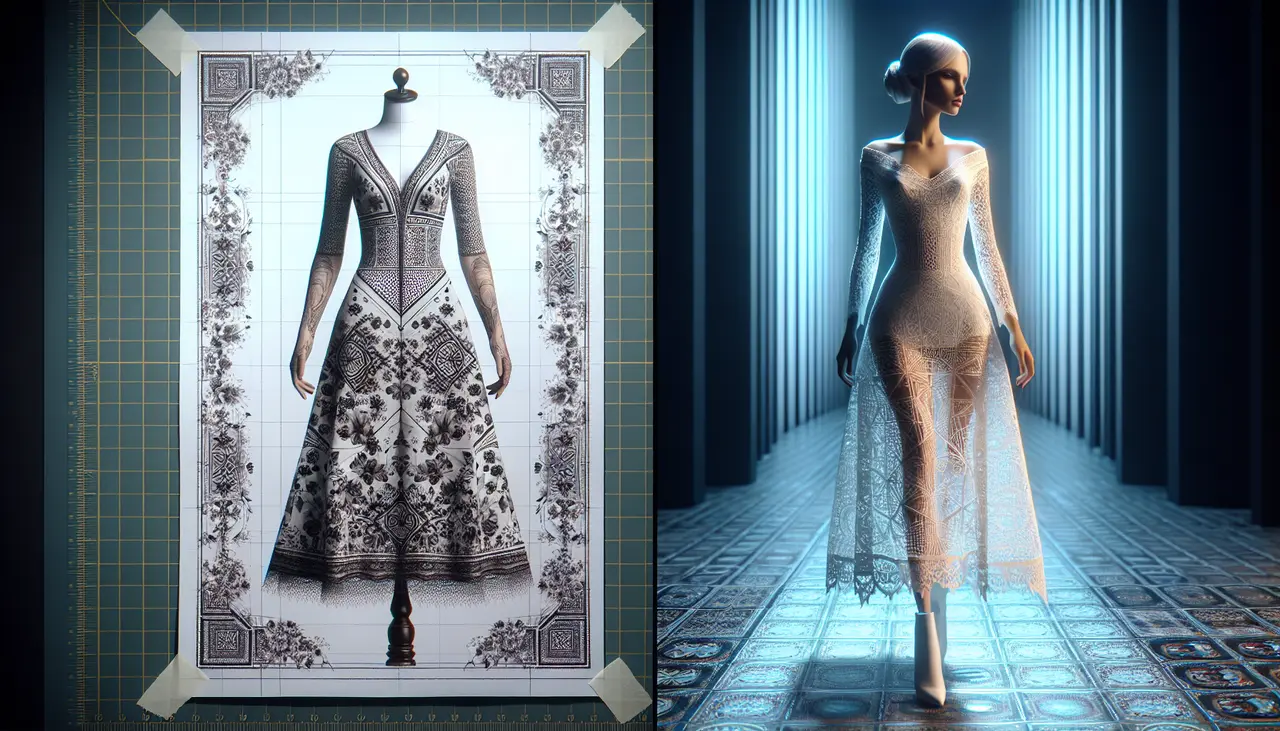
A digital fashion image can communicate a silhouette, color story, or design detail. For a garment intended to be worn, that image is a starting reference. Physical development must also resolve dimensions, materials, construction, fit, and movement before a sample can serve as an approval standard.
Identify What the Reference Communicates
Label the features you want to preserve: a shoulder shape, panel arrangement, surface effect, or proportion. Include front and back views where available and explain any details hidden by the pose. Separate essential features from details the maker can adapt.
A rendered image does not necessarily contain sewing patterns or usable measurements. Ask what information is actually included in the files, and confirm which formats the receiving team can review before preparing the handoff.
Turn Appearance into Specifications
Describe the intended wearer, garment measurements, fabric, closures, and internal support. Where a reference shows an unusual shape, discuss how it might be achieved physically and which parts need a construction trial.
A digital material can appear more fluid, rigid, or weightless than the available fabric. Record material assumptions rather than treating the image as proof of how the final garment will hang. If a fabric is still undecided, mark the relevant approvals as open.
Separate Visual Review from Fit Review
Visual approval can confirm the design direction. A physical fitting checks questions such as balance, access, movement, seam placement, and how the fabric behaves on the intended wearer or form. Review the sample in relation to its actual materials and measurements.
Keep notes specific: identify the seam or panel, the requested adjustment, and the reason. Return agreed changes to the pattern and related specifications, then determine what needs to be checked again.
Label the Approved Reference Clearly
Connect the final sample, current pattern version, material list, and approval notes. If a digital image still shows a superseded detail, update or label it so it does not contradict the physical sample during the next stage.
Digital references can support communication, but they do not by themselves establish production readiness or eliminate sampling. Patterns World focuses on physical pattern making and sample sewing. Read about developing physical garments from digital concepts, or send your project references to discuss the work required.

Why Every Designer Needs a Skilled Dress Maker in Their Corner
What designers should review when choosing a dressmaker: relevant work, pattern responsibilities, fittings, revisions, and a clearly defined project scope.
A skilled dressmaker helps turn a design into a garment that can be constructed, fitted, and finished. For a designer commissioning custom or complex work, the right partner brings relevant sewing experience and a clear process for discussing materials, fit, revisions, and approvals.

Match Experience to the Garment
Review examples that are relevant to your design. A fitted gown, a tailored piece, a stretch garment, and a layered costume can present different construction challenges. Ask what work the provider performed on the examples and how that experience relates to your project.
Patterns World’s work gallery provides a starting point for discussing garment categories and construction. A project review is still needed to establish the specific scope.
Clarify Pattern and Sewing Responsibilities
A sewing service may begin with an approved pattern, while a development project may need pattern creation, a first sample, fittings, and revisions. Clarify who is responsible for each stage. If you supply an existing pattern, explain whether it has been sampled and fitted, and identify unresolved issues.
Our apparel development services include pattern making and sample sewing. Reviewing the two together helps connect fit and construction decisions.
Bring a Clear Brief
Share front and back references, detail views, intended materials, measurements or sample size, and the garment’s intended use. Identify essential details and areas where construction advice is welcome. Agree on who makes design decisions and who approves revisions.
Make Fittings Productive
Assess proportion, balance, comfort, movement, and the intended silhouette. Record specific changes and check them at the next review. A complex detail or a change in fabric may require additional development; the number of fittings and included revisions should be confirmed in the project scope.
Evaluate the Scope Behind the Quote
Compare what is included: pattern work, sample sewing, materials, fitting sessions, revisions, special finishes, and final deliverables. A price comparison is useful only when the work and expected result are comparable. Confirm scheduling and approval responsibilities before the work starts.
Build a Clear Working Process
Keep one current set of design references and document approved changes. Prompt, consistent feedback helps prevent contradictory instructions. Before authorizing the next stage, confirm whether the sample, pattern, and materials are ready for that work.
Contact Patterns World in Los Angeles with your design references and current development status to discuss the pattern making and sewing your garment requires.
From Sketch to Fabric: The Journey of Bespoke Patterns
A practical guide to bespoke garment patterns, material choices, manual drafting, fittings, and keeping the approved sample and pattern consistent.
What Is a Bespoke Garment Pattern?
A bespoke garment pattern is developed for a particular design and fit requirement. It defines the pieces used to cut and construct clothing; it is different from a printed motif on fabric. The work connects a design brief with material selection, a test garment, fittings, and pattern corrections.

Begin with the Design and Fit Brief
Bring references that explain the silhouette, proportions, and important details. Clarify whether the garment is intended for one wearer or will become the base for a collection. Measurements, fit preferences, intended use, and material choices all affect the development decisions.
Choose Materials Before Finalizing the Pattern
Fabric weight, drape, stretch, recovery, and thickness influence how a garment behaves. A pattern developed for one material may need adjustments for another. An early mock-up can answer some construction or proportion questions, but the intended fabric should be evaluated before final approval.
Drafting Requires Technical Judgment
Manual pattern development remains a valuable method for interpreting shape, balance, and construction. Digital tools can support file preparation, revisions, sharing, and grading. Neither method removes the need for an experienced pattern maker to assess the design and its fit.
Patterns World Inc. develops patterns and sewn samples through its apparel development services. The appropriate workflow and deliverables depend on the project.
Use Fittings to Resolve the Garment
Review balance, ease, movement, seam placement, and the relationship between the garment and the wearer. Record specific changes rather than relying on a general instruction to improve the fit. A complex design or a change in materials may require additional development and review.
The number of fittings and revisions should be established through the project scope. A custom pattern is not a promise of a finished garment without testing.
Keep the Pattern and Sample Consistent
After a fitting, transfer approved changes back to the pattern and identify the current version. Before cutting final materials or preparing a production handoff, confirm that the pattern and approved sample describe the same garment.
For a collection, discuss grading only after the base design is ready. A bespoke pattern for one wearer does not by itself establish fit across a commercial size range.
Prepare Your Project for Review
Share design references, intended fabric, the sample size or wearer measurements, and the current stage of development. Review our work for examples of garment categories, then contact Patterns World to discuss the pattern making and sample work required.

Understanding the Cost Benefits of Small Production for New Designers in Los Angeles
Understand small-run garment costs, development fees, unit pricing, and the questions to resolve before approving production.
Small Runs, Development Costs, and Unit Pricing
A small production run can limit the amount of inventory a new clothing brand commits to. It does not automatically make each garment cheaper. Compare the total cash required, the cost per unit, and the development work needed before deciding which quantity is appropriate for your collection.

Why a Smaller Order Can Still Have a Higher Unit Cost
Pattern development, sample sewing, fit revisions, grading, and production setup require work before the first saleable unit is completed. When those costs are spread across fewer garments, their share of each unit can be higher. Fabric and trim minimums, cutting setup, construction complexity, and finishing requirements also affect the quote.
A smaller order may reduce the total amount committed to finished inventory while increasing the price of each garment. Neither result is guaranteed: compare quotes for the same design, materials, size range, and quality requirements.
Separate Development from Production
Ask which charges cover the pattern, samples, revisions, grading, markers, materials, cutting, sewing, finishing, and delivery. Development and production are separate stages. A low sewing price does not show the full project cost if essential preparation is excluded.
The approved sample and current pattern should describe the garment being quoted. Changes to fabric, construction, trims, or fit after approval may affect both cost and timing.
What to Include in a Quote Request
Provide design references, the proposed fabric and trims, an approved sample if one exists, the intended size range, quantities by style and color, and the requested delivery date. State whether you need pattern making, sample development, grading, or production preparation as part of the project.
Clarify who supplies materials and how minimum purchases, unused materials, packaging, and shipping are handled. Ask about the conditions that could change the quoted price. Keep scope and approvals in writing so the same specification is used throughout the project.
When a Small Run May Make Sense
A limited run can be useful when a brand wants to test demand, introduce a technically demanding style, or avoid committing to a large quantity before receiving customer feedback. The quantity still needs to support the required materials, production setup, and selling price.
Smaller runs are not automatically faster, more sustainable, or higher quality. Those outcomes depend on scheduling, sourcing, construction, quality checks, and whether the finished stock sells. Choose a quantity for the project’s actual constraints rather than a general promise.
Questions to Resolve Before Production
Has the base pattern and sample been approved for fit and construction?
Are the production fabric and trims available in the required quantities?
Are grading and size-set checks needed before cutting?
Does the quote specify quantities, inclusions, exclusions, and delivery assumptions?
Who approves changes, and how will any additional work be priced?
Plan the Development Work First
Patterns World Inc. provides apparel development in Los Angeles, including pattern making and sample sewing. Grading and marking support the next stages when the base garment is ready. Contact us with your design, quantities, and current development status to discuss the work your project requires.
The Role of Garment Grading in Custom Apparel Development
What grading does, why the base pattern must be approved first, and how to prepare grade rules and size-set reviews for a clothing range.
What Garment Grading Does
Garment grading develops a size range from an approved base pattern using specified measurement changes. It is different from correcting the base fit or creating a custom pattern for an individual wearer. Clear sizing requirements and review of the graded sizes help a brand evaluate whether its range meets the intended fit.

Approve the Base Pattern First
Before grading, confirm that the pattern matches the approved sample and that fit and construction changes have been recorded. An unresolved issue in the base garment can be carried into other sizes. Grading should not be used as a substitute for finishing the development of the base pattern.
Define the Size Range and Grade Rules
Provide the intended sizes, the base size, and the measurement specifications or grade rules to be used. A size label alone does not describe a body measurement or fit standard. Brands using U.S., European, or custom sizing should clarify the requirements for their particular collection.
Not every dimension changes by the same amount. The grade must account for the relationship between measurements, the garment’s design, and its intended fit. This is why grading should not be described as simply enlarging or shrinking a picture.
Keep Grading Separate from Individual Fit
A commercial size range serves a defined group of customers; it cannot guarantee a perfect fit for every body shape. A custom garment for one wearer may require changes in proportion, posture, or balance that are outside a standard grade.
For projects spanning different body proportions or an extended size range, discuss whether additional base development or fit review is needed.
Review the Size Set
Compare graded measurements with the specification and assess representative samples where appropriate. Check the fit relationships that matter for the garment, including length, ease, openings, and the placement of design details. Review responsibilities and the scope of size-set sampling should be agreed before production.
Prepare a Clear Handoff
Identify the current pattern version, size labels, quantities, and required file or paper format. Confirm that grading changes are approved before preparing markers and cutting. A marker arranges pattern pieces for cutting; grading and marker preparation are related but different tasks.
Grading and Marking at Patterns World
Patterns World Inc. provides grading and marking services in Los Angeles. If the base garment still needs development, start with pattern making and sample sewing. Contact us with your pattern status, size range, and production requirements to discuss the appropriate next step.
From Sketch to Runway: The Journey of a Garment Through Custom Sewing
How to organize the decisions and approvals that move a custom sewing project from sketch to finished garment.
A custom garment moves forward through a series of decisions, not simply a sewing deadline. The design, fabric, pattern, fittings, and finishing all depend on one another. Whether the garment is intended for a runway, an event, or a personal wardrobe, a clear approval process helps keep the work coordinated.

Agree on the Scope Before the Schedule
Prepare sketches and references that show the front, back, important details, and intended fit. State who will wear the garment and when it is needed. Confirm whether the project includes pattern development, material sourcing, mockups, fittings, and final sewing.
Ask which deliverables are included and who makes the final design decisions. If several people will review the garment, designate one person to consolidate feedback so the maker receives a clear instruction set.
Resolve Materials and Dependencies
Fabric and trim availability can affect both timing and construction. Set a date for material decisions and confirm who supplies each item. A late change in fabric may require another test or a pattern adjustment rather than a straightforward substitution.
Build the schedule around the work that must happen in order: a usable brief before drafting, a sample before a fitting, and agreed corrections before final sewing. Ask about the consequences of delayed materials or feedback.
Plan Fittings as Review Stages
The number of fittings depends on the garment and the changes it needs. At each review, assess the purpose of that sample: silhouette, fit, movement, or construction. Record the wearer measurements and any intended underlayers or footwear that affect the result.
Write down agreed changes and identify what needs another review. A major proportion change late in the process may affect multiple pattern pieces and the completion date.
Confirm Approval Before Final Work
Use a written approval record for the current design, materials, and fit decisions. Keep unresolved items visible. Approving one detail should not be interpreted as approving every aspect of the garment.
For a garment needed on a specific date, discuss the final review and collection arrangements early. Allow time to inspect closures, hems, finishing, and the complete outfit before its intended use.
Prepare a Useful Handoff
Confirm what is delivered with the garment, including any agreed patterns or construction notes. For help planning a custom project, explore Patterns World apparel development services and contact us with your design and target date.
From Digital Fashion Concepts to Physical Garments in Los Angeles
How digital artwork becomes a physical garment: design references, pattern making, sample sewing, fit review, and production preparation in Los Angeles.
From Digital Fashion Concepts to Physical Garments
Digital fashion artwork can be a starting point for a physical garment collection. Translating that artwork into wearable clothing requires decisions about proportion, fabric, construction, and fit. Patterns World Inc. provides pattern making and sample sewing in Los Angeles for physical garment development, including projects inspired by digital creative concepts.

Physical Garment Development in Los Angeles
Patterns World Inc. develops physical garments through pattern making, sample sewing, and fit refinement. For a project inspired by digital artwork, the first step is to identify which visual details define the design and how they can be translated into fabric and construction.
Translating Artwork into Wearable Construction
A digital illustration is a starting point, rather than a production-ready pattern. The development brief should explain the intended silhouette, proportions, materials, closures, and use. Details that appear effortless in artwork may require support, additional seams, a different fabric, or a revised proportion in a wearable garment.
Pattern development turns those decisions into the shapes used to cut fabric. Sample sewing makes it possible to assess how the pieces assemble, how the material behaves, and how the garment moves on the body. Fit notes and construction changes should be reflected in the pattern before preparing for production.
What to Prepare Before Sampling
Provide front and back design references, detail views where available, the intended sample size or wearer measurements, and information about the proposed fabrics and trims. Explain which features are essential and which can be adjusted. A target quantity and intended launch date also help define the project scope, although feasibility and scheduling must be assessed individually.
Digital Creative Direction and Physical Garment Projects
The Azuki Twin Tigers Jacket was highlighted in this article as a collaboration connecting digital creative direction with a physical garment. The relevant service focus is garment development. This reference should not be read as an offer of blockchain programming, NFT minting, or digital marketplace development.
From First Sample to Production Preparation
A first sample is a development tool. Review its proportions, fit, construction, and materials before treating the design as approved. Corrections may require pattern changes and another sample. When the base design is approved, the next steps may include grading, markers, and a production handoff appropriate to the project.
Discuss Your Physical Garment Project
Learn about our apparel development services in Los Angeles, or contact Patterns World with your design references and project goals. The initial review helps identify the pattern making and sample development your garment needs.
Why Clothing Samples are Crucial for Your Fashion Brand's Success
Match each clothing sample to its purpose and keep fit, appearance, construction, and production approvals clear.
A clothing sample is useful when everyone understands the question it is meant to answer. A garment made to test a silhouette may not be ready for photography or production. Defining the sample purpose helps a fashion team review the right details and avoid carrying an incomplete approval into the next stage.

Development Samples Explore the Design
An early sample can test proportion, panel placement, assembly, or a difficult detail. It may use substitute materials or temporary finishes. Record those substitutions so reviewers understand which conclusions are provisional.
After the review, decide what should change in the pattern, materials, or sewing method. Keep the next sample connected to those decisions rather than repeating a test without a clear objective.
Fit Samples Check the Intended Wearer
A fit sample supports a review of balance, ease, movement, and garment measurements on the intended wearer or form. Note the body measurements and materials used. Evaluate how the garment behaves when worn, not only how it looks on a hanger.
Approving a base-size fit does not confirm every size. If the project includes a range, establish the grading requirements and decide which additional sizes need checking.
Photo and Showroom Samples Present the Product
A presentation sample may be intended for photography, sales appointments, or collection review. Its appearance matters, but the team should still document any differences from the product planned for sale.
Temporary fixes made for a shoot should not quietly become the production specification. Keep a record of the intended final fabric, color, trims, and construction wherever the presentation sample differs.
Pre-Production Samples Confirm the Planned Build
Before a production run, agree what the approval sample must represent. Review the intended materials, current pattern, measurements, finishes, and labeling with the team responsible for making the units. Terminology varies, so confirm the requirements rather than relying on the sample name alone.
A sample can inform a production quote, but the final cost also depends on quantity, materials, labor, finishing, and other agreed services. Confirm the quote scope separately from the garment approval.
Keep the Approval Attached to the Sample
Label each sample with its version, purpose, review date, and open issues. For the sequence from brief to revisions, see our clothing sample process guide. Patterns World provides pattern making and sample sewing; share your project brief to discuss the sample you need next.