
10 Must-Know Cut and Sew Techniques for Aspiring Designers
Diving into the world of fashion design can be both exhilarating and overwhelming. Aspiring designers are often met with a plethora of techniques to master. Among these, cut and sew methods stand out as foundational skills. These techniques not only influence the fit and finish of a garment but also play a crucial role in the overall design process. Whether you're crafting a simple T-shirt or an elaborate evening gown, understanding these methods is key.
1. Understanding Pattern Drafting
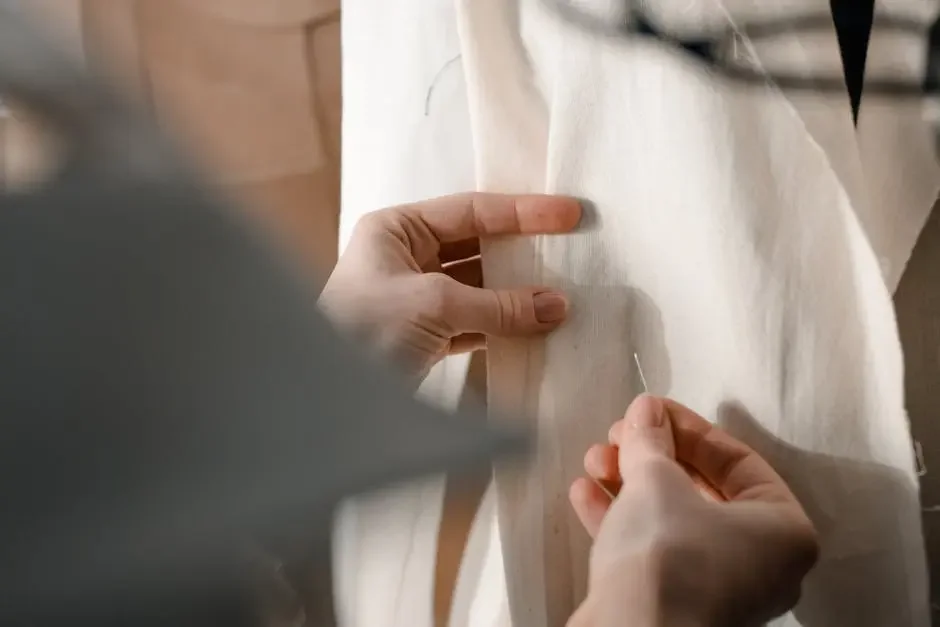
Pattern drafting is the blueprint of garment creation. It involves creating templates that serve as a guide for cutting the fabric pieces needed to assemble a garment. As you delve into drafting, you'll notice how it allows for an endless array of designs, providing the designer control over every aspect of the garment’s fit and style. This foundational technique is essential for ensuring precision in dimensions, which consequently influences the garment's fitting. By mastering pattern drafting, you can turn abstract ideas into realistic fashion pieces.
Beginners may start with basic bodices and skirts, gradually advancing to more complex designs. The skill lies in understanding how these patterns can be modified for different body shapes and sizes. Learning to manipulate darts, pleats, and seams can greatly impact your final creation. For detailed guidelines, you should refer to interactive pattern-making tutorials that can be found online. These resources offer a hands-on approach to learning, helping you visualize the entire process from sketch to sewn piece.
2. The Art of Draping
Draping is not just about putting fabric on a dress form; it is a dance between fabric, imagination, and form. This technique allows designers to play directly with the fabric, exploring the interplay of texture, weight, and movement. Unlike pattern drafting, which often begins on paper, draping brings the creative process into the third dimension. It enables you to visualize your design in real time, making adjustments on the fly before committing to things like cuts and stitching.
Whether you are creating a fluid, flowing gown or a structured jacket, mastering the art of draping can open up new avenues for creativity. Designers often refer to this process when they want to experiment with how fabric behaves when subjected to tension and gravity. Online fashion communities provide platforms where professionals and novices alike share their draping projects, offering inspiration and collaboration opportunities. This can be a valuable learning experience, providing both visual cues and practical feedback.
3. Precision in Cutting
Cutting is a fundamental skill that requires precision. Ensuring accuracy in cutting influences the fit and silhouette of the final piece, making it a critical step in garment construction. A well-executed cut can make the difference between a garment that fits beautifully and one that just doesn't quite come together. Achieving precision in cutting starts with proper tools: sharp fabric scissors, rotary cutters, and cutting mats.
4. Piecing Together with Seams
Seams are essential for joining fabric pieces together. Understanding the different types of seams can enhance the durability and appearance of your garment. A straight seam, flat-felled seam, or French seam each has its own application and effect on the garment’s final look and function. For example, a French seam is often used in lighter fabrics to enclose raw edges, providing a clean finish that enhances durability without compromising elegance.
Beginners are encouraged to practice on scraps before moving to their final fabric. This not only helps in mastering seam techniques but also offers insight into how different fabrics react during sewing. In addition, online sewing workshops can be a great resource for learning seam finishes. They often include video tutorials and step-by-step instructions, making complex techniques approachable and easy to understand.
For those looking to deepen their knowledge, understanding how seams contribute to the structural integrity of the design can be enlightening. A well-crafted seam ensures that the garment not only looks good but also withstands the test of time and usage. Learning from experts who have spent years perfecting these techniques can drastically shorten your learning curve, allowing you to focus on creativity with confidence.
5. Exploring Bias Cut Techniques
Bias cutting allows for garments that drape beautifully. It involves cutting the fabric on the diagonal grain, offering unique movement and stretch. This technique can turn simple silhouettes into stunning, fluid garments that contour the body naturally. By introducing an unexpected flow, bias-cut designs often give garments a softer, more ornate appearance compared to their straight-cut counterparts.
Designers have used bias cuts extensively in evening wear and bridal gowns, where the fluidity and elegance of the fabric can shine. Learning to master this technique involves understanding the nature of different fabrics and how they behave when cut on the bias. Many fashion shows and collections showcase innovative uses of bias cut techniques, offering a wealth of inspiration for aspiring designers eager to explore this versatile method.
6. Edge Finishing Insights
Finishing edges is critical for preventing fabric from fraying. Techniques such as serging and hemming add a professional touch to your designs. Each method of edge finishing has its place depending on the fabric type and the intended look of the garment. Serging offers a quick and clean edge finish, ideal for knit fabrics, while hemming can provide a tailored appearance for formal wear.
Additionally, binding edges with bias tape or using rolled hems on lightweight fabrics can offer distinctive finishes that enhance the garment's overall aesthetic. Practice is key in mastering clean and efficient edge finishes. Taking courses or reading books focused on sewing techniques can offer a broader understanding of how to professionally finish garment edges.
7. Mastering Topstitching
Topstitching is used both for functional and decorative purposes. It reinforces seams and provides an opportunity to add stylistic detail to your creations. For the aspiring designer, mastering topstitching can serve as a signature, adding a unique look to your finished pieces. It’s important to consider both thread color and stitch length when topstitching, as these factors can significantly affect the garment's overall appearance.
8. Incorporating Interfacing
Interfacing adds structure to areas like collars and cuffs. Choosing the right interfacing material can greatly affect the garment's form and stability. The variety of interfacing options like fusible, non-fusible, woven, and non-woven allows you to customize the firmness and shape of different sections of a garment. At the heart of interfacing use is an understanding of how various interfacing types react with different fabrics.
From lightweight organza to silk and wool blends, interfacing is engineered to provide support without weighing down the fabric or distorting its original appeal. Tutorials often recommend sampling interfacing with your fabric before application, enabling you to make well-informed design decisions.
9. Finishing Touch with Tailoring
Tailoring is the art of adjusting garments for a custom fit. It involves precise adjustments that ensure the final piece flatters the wearer. Every inch and contour requires scrutiny and skill. Aspiring designers are encouraged to work with fit models or attend client fittings to hone this skill. This kind of firsthand experience provides valuable insights into the common fitting challenges faced by different body sizes and shapes.
10. Embracing Creative Embellishments
Embellishments like embroidery and appliqués add a unique flair to garments. These techniques allow designers to express creativity and individual style. A well-placed embellishment can transform a simple piece into a work of art, while intricate detailing speaks volumes about the designer's craftsmanship.
The choice of embellishment can depend on the garment's intended use and its fabric. Exploring how these adornments are used in different cultural and historical garments can inspire unique and fashionable interpretations. Virtual design platforms often offer the possibility to simulate embellishment applications digitally, an innovative and efficient method for testing designs before actual application on fabrics.
These creative techniques not only offer aesthetic benefits but can also add structural integrity to the garment. Whether you choose to highlight shoulder areas with studs or create a fabric story through quilting, embellishments can revolutionize your creative process. Unleashing your imagination through these tactile applications will undoubtedly set your designs apart in the world of fashion.