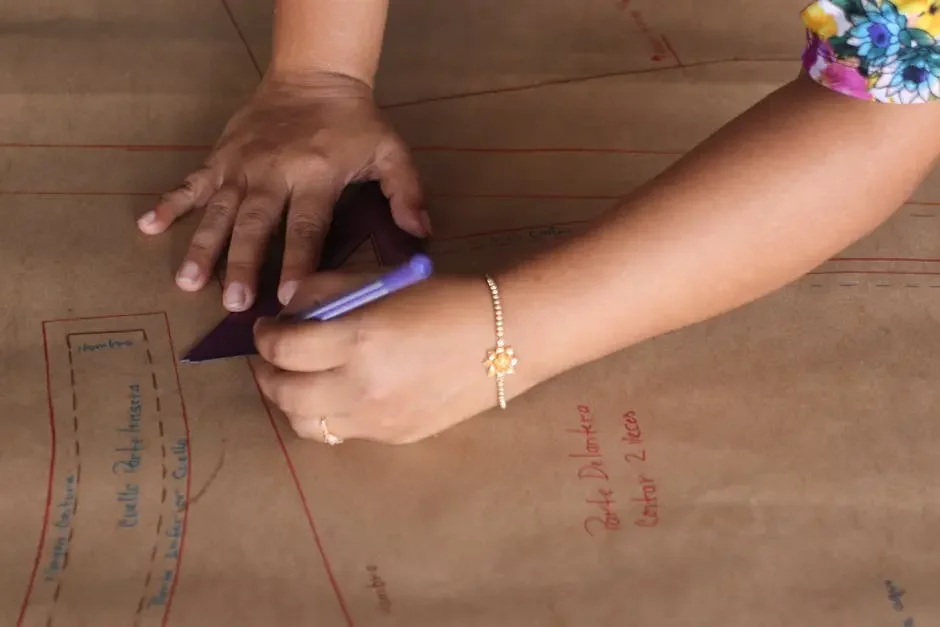
Discover the Art of Pattern Making with Bespoke Services

Pattern making is not just a technical skill; it's an art form that allows for the creation of tailor-fitted designs. In this blog, we'll explore how bespoke services can elevate your pattern-making skills, offering a personalized and unique approach to fashion design.

Understanding the Basics of Pattern Making

Before diving into bespoke services, it's essential to grasp the fundamentals of pattern making. This includes understanding measurements, drafting, and the basic tools needed to start creating precise patterns. For beginners, this might seem overwhelming at first, but with patience, you can master these skills. The beauty of pattern making lies in its ability to transform a two-dimensional concept into a three-dimensional masterpiece. Each pattern starts with accurate measurements. Knowing how to correctly gauge proportions can make the difference between a perfect fit and something that doesn't quite work. Then comes drafting, where you translate those measurements into a flat pattern using tools like rulers, pencils, and paper. Over time, this becomes intuitive, and you'll start to see the artistry in forming patterns that perfectly synchronize with your creative vision.

The detailed nature of pattern making requires precision and a keen eye for detail. Before anyone gets to the stage of creating a full garment, they need to practice and hone their skills with basic garment constructions such as simple tops or skirts. Such practice helps in understanding the nuances involved in sewing seams, fitting collars, and aligning darts. Moreover, this foundational knowledge is invaluable when later applying bespoke services, allowing you to offer truly custom solutions for clients.

Why Choose Bespoke Services for Pattern Making?

Bespoke services provide a tailored experience, focusing on individual needs and preferences. This personalized approach ensures that each pattern is unique and fits perfectly, elevating the standard of your designs. Unlike off-the-rack designs, bespoke services allow for creating garments that are exclusively yours, reflecting personal styles and body contours. It’s like having an artistic dialogue between the designer and the client, where every detail is crafted to meet specific desires.

Beyond the obvious benefit of a perfect fit, there’s also the opportunity to express individuality through bespoke services. You are not limited by the mass-produced patterns available in stores. Instead, there’s freedom to choose fabrics, colors, patterns, and even the smallest details like buttons and stitching style, making the end product truly reflective of personal taste and personality. This ability to customize not only enhances user satisfaction but also builds a more meaningful connection between the designer, the process, and the wearer of the garment.

Choosing bespoke can sometimes seem daunting due to the higher costs compared to pre-designed patterns. However, the investment is justified by the quality, durability, and authenticity bespoke services offer. An individually designed pattern means fewer fitting issues, leading to fewer adjustments needed down the line. It builds a wardrobe that lasts, often reducing waste because of its timeless and personalized nature. Thus, bespoke services in pattern making represent value that goes beyond the garment itself, resonating with those who favor sustainability and authenticity.

Steps to Creating Bespoke Patterns

The process of creating a bespoke pattern involves a series of precise steps, including client consultations, detailed measurements, and iterative adjustments. Each step ensures that the final product aligns with the client’s vision. It begins with an initial meeting, often referred to as the consultation phase, where you, the designer, collaborate with the client to understand their preferences, style, and ultimate vision for the garment. This discussion forms the foundation of the bespoke journey.

Following the consultation, accurate measurements are taken. This is perhaps the most crucial stage as it determines how well the garment will fit. Measurements need to be precise, accounting for all dimensions of the body. Once gathered, these are interpreted into a draft pattern. This draft acts as a blueprint, requiring meticulous attention to ensure the style lines are balanced and harmonious with the body shape.

After drafting, comes the trial and fitting phase. A sample garment, often made in muslin, is constructed. This mock-up allows clients to visualize the design and provides an opportunity for adjustments before the final fabric is cut. It’s here that tweaks and refinements are made, ensuring the final product will not only look good but feel comfortable. Iteration in this stage is key, communicating openly with clients about what works and what doesn’t ensures that the final piece meets, if not exceeds, their expectations.

The Role of Technology in Bespoke Pattern Making

Modern technology has revolutionized bespoke pattern making. From digital pattern software to 3D modeling, these tools help streamline the process, allowing designers to create more accurate and intricate patterns. With software, designers can create patterns digitally and test modifications without the need to create multiple physical prototypes. This not only saves time but also optimizes resources, reducing waste in the fashion production cycle.

Technology also extends to digital platforms where precise body measurements can be taken without physical contact. These tools are particularly beneficial in maintaining accuracy while providing more convenience and safety, which became especially relevant during times when in-person fittings were challenging. Advancements like these empower designers to perfect their crafts, pushing boundaries in creativity and craftsmanship while maintaining efficiency.

Additionally, technology opens up avenues for collaboration on a global scale. Designers can work with clients from different parts of the world, sharing design drafts and ideas instantaneously. This interconnectedness also means that bespoke pattern makers can source inspiration or materials globally, ensuring their designs are not only personal but also rich with multicultural influences and diversity.

Success Stories: Designers Who Excel with Bespoke Services

Many successful designers incorporate bespoke services into their work, resulting in standout fashion lines. These stories inspire and demonstrate the potential of bespoke pattern making in transforming the fashion industry. Take designer Ayan, for instance, who built a thriving brand on the principles of bespoke tailoring. Ayan's designs are renowned for their fit and exceptional detailing, crafted meticulously to reflect each client's distinctive style.

Similarly, we have the success of another designer, Emma, whose commitment to sustainable bespoke services has drawn a loyal client base. Emma's emphasis on using only eco-friendly materials coupled with custom patterns showcases how bespoke services can align fashion with environmental consciousness. Her brand continues to grow, setting an example of how craftsmanship can contribute to sustainability.

These examples highlight not only individual successes but also collectively push the boundaries of what's possible in fashion design through bespoke services. The personalized attention each client receives fosters a level of trust and satisfaction that's hard to achieve with mass-market products. This bespoke approach champions creativity, individuality, and innovation, ensuring each garment tells its own unique story.

The Endless Potential of Bespoke Pattern Making

Embracing bespoke services in pattern making not only sets your designs apart but also enriches your skills and creativity. Whether you're a seasoned designer or a novice, the art of bespoke pattern making offers endless possibilities for innovation and personalization.

Next
Next

How Custom Fashion Tailoring is Making a Comeback