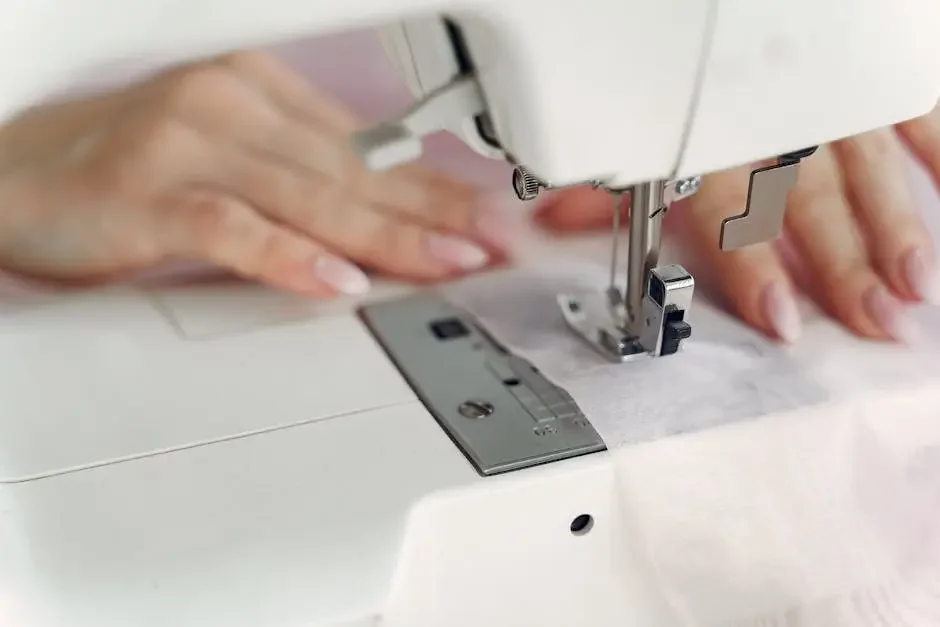
9 Steps to Perfect Your Fashion Sewing Skills for a Trendy Wardrobe

Are you ready to transform your wardrobe and refine your fashion sewing skills? Whether you're a beginner or looking to polish your skills, this guide will walk you through the essentials of sewing your own trendy outfits. Dive into these steps to discover the joy of creating your personalized fashion.

1. Gathering the Right Tools

Every successful sewing project starts with having the right tools at hand. Invest in high-quality scissors, a reliable sewing machine, and the essential sewing kit items to ensure your creations come to life effortlessly. A good cutting mat and rotary cutter are also indispensable for precise cutting, especially when dealing with delicate fabrics. Remember, investing in these tools is an investment in your fashion sewing journey—and they’ll pay off when your projects turn out just as you imagined!

Besides the basics, consider incorporating some advanced tools into your sewing arsenal. For instance, a dressmaker’s form is great for visualizing how a garment will drape on the body, while a seam ripper is essential for fixing those inevitable mistakes. Pattern weights, a tailor’s chalk, and a pressing ham might seem like optional extras, but they’ll make your sewing process much smoother and more enjoyable. As you grow your skills, you'll find that having a diverse toolset can be a real game-changer.

2. Choosing the Perfect Fabrics

Fabric selection is key to any garment's success. Learn how to pick the right fabrics for your projects, considering elements like texture, durability, and pattern to ensure your creations are not only fashionable but also functional. When selecting fabric, the feel is just as important as the look. Consider visiting a fabric store in person to touch and examine textiles. This hands-on approach can help you make informed decisions on the perfect material for your next project.

It’s also important to know how different fabrics behave. For instance, stretch fabrics like jersey require different handling compared to non-stretch fabrics such as cotton or linen. Pay attention to the fabric's stretch, thickness, and weave, as these will influence the garment’s final fit and appearance. Look for fabrics that match your pattern's recommendations, but don’t be afraid to experiment and let your creativity shine!

3. Understanding Patterns

Navigate the world of sewing patterns with confidence. This section will guide you on how to read and adapt patterns to suit your style, giving you the flexibility to innovate and personalize your designs. Begin by understanding the different notches, symbols, and measurements detailed in sewing patterns. These components will direct you on the delicate task of assembling the pieces accurately.

Don't hesitate to alter patterns to better fit your style or body shape. Adjusting length, adding pockets, or changing neckline designs are just a few examples of how you can make a pattern unique. Master the art of pattern alteration by practicing on inexpensive fabric, and over time, these little tweaks will make your wardrobe truly one-of-a-kind.

4. Mastering Stitch Techniques

Delve into the fundamental stitch techniques every sewer should know. From straight to zigzag and decorative stitches, each technique adds a new dimension to your sewing skills. Straight stitches are your bread and butter, ideal for seams and hems, while zigzag stitches offer flexibility and can be used for stretchy fabrics or finishing raw edges.

For a touch of flair, experiment with decorative stitches. These can transform a plain piece of fabric into something extraordinary, perfect for hems or as embellishments. Don’t forget to practice tension adjustments and stitch length settings on scrap fabric to get the perfect finish for your project. The right stitch can elevate a garment from ordinary to extraordinary.

5. Assembling Garments with Precision

Learn the art of garment assembly, from pinning and sewing seams to attaching zippers and buttons. Attention to detail in this stage ensures a polished and professional finish. Take your time to pin fabric pieces carefully, and double-check your alignment before sewing. This simple step can prevent many headaches later on.

When it comes to zippers, they can be tricky but are a valuable skill to master. Whether you're using an invisible zipper for a seamless look or an exposed one for style, ensure they're aligned perfectly to avoid puckering. Practice sewing zippers on remnants until you’re comfortable with the process, as they can make a significant difference in the fit and function of your garment.

6. Adding Stylish Details

Enhance your fashion pieces by adding trims, pockets, and other stylish additions. These small details can make a big difference in personalizing and elevating your creations. Experiment with different flounce styles on sleeves or hemlines, which can transform basic garments into standout pieces.

Embroidery is another fantastic way to customize your wardrobe. Simple stitches like backstitch or satin stitch can add intricate designs to your garments. Similarly, adding buttons or appliqués can give a unique touch to your clothing, transforming ordinary outfits into pieces with personality.

7. Fitting and Tailoring

Achieving the perfect fit is crucial for any garment. Learn how to tailor your creations to accentuate your figure and ensure comfort and style in every piece. Start with a muslin mock-up to assess fit before cutting into your final fabric. This practice helps in identifying where adjustments are needed.

Become proficient in common alterations like adjusting bust darts, tapering seams, and reshaping sleeves. Each tweak you master brings you closer to garments that fit like a glove. Additionally, learning these tailoring skills allows you to modify pre-bought clothes, breathing new life into them and reducing waste.

8. Finishing Touches

The finishing touches can make or break your sewing project. Techniques like hemming, pressing, and topstitching are essential for giving your garments a clean, professional appearance. Hemming is crucial for a polished look; ensure it's even by pinning and measuring carefully.

Pressing seams as you sew not only reduces bulk but also helps the garment lay correctly, making your work look professionally done. A well-executed topstitch is both functional and decorative, adding strength to the seam and visual interest to the garment. Remember, these details reflect your attention to craftsmanship.

9. Caring for Your Creations

Ensuring your handmade garments last requires proper care. Discover tips on washing, storing, and maintaining your unique pieces to keep them looking fresh and fabulous over time. Always follow the care instructions specific to the fabric to prevent damage.

Proper storage is essential to maintain the shape and condition of your garments. Use padded hangers for delicate items and avoid overcrowding your wardrobe to let clothes breathe. Regularly inspect your garments for loose threads or needed repairs to extend their lifespan, keeping your fashionable wardrobe in perfect condition.

Next
Next

How Can Proper Apparel Stitching Enhance Your Design?