Exploring the Art of Crafting Women's Clothing Patterns

Crafting women's clothing patterns is a fascinating blend of creativity and precision. Whether you're a budding designer or a seasoned seamstress, understanding the intricacies of pattern making can open up new horizons in your fashion endeavors. In this blog, we'll delve into the essential aspects of creating clothing patterns specifically for women, examining everything from inspiration to the fine details of finishing.

Understanding the Basics of Pattern Making

Before you begin crafting, it's crucial to grasp the basic principles of pattern making. This includes knowledge of measurements, fabric types, and essential tools. A solid understanding of these fundamentals lays the foundation for successful pattern design. Measurements are key; without an accurate set, even the most beautiful design can fall short of expectations. Therefore, learning how to take precise measurements is your first step towards mastery.

Fabric selection is another cornerstone of pattern making. Different fabrics behave in unique ways, influencing how a garment drapes or fits. Choosing the right fabric often begins with understanding the characteristics of various materials, like stretch, weight, and texture. These factors can dramatically impact the final outcome of your piece, making fabric choice a crucial decision in the planning stages.

Finally, familiarizing yourself with essential tools is a must. From the type of paper you use for drafting to the reliability of your measuring tape, your tools can make or break your experience. Investing in quality tools like high-grade rulers or special tailor's chalk can enhance precision and efficiency in your pattern creation process. As you get more advanced, you might also consider digital pattern making tools, which can streamline your workflow and open up new possibilities for design innovation.

Drawing Inspiration for Women's Clothing Patterns

Finding inspiration is key to creating unique clothing patterns. Whether it's through fashion history, current trends, or nature, the sources of inspiration are limitless. Learn to draw from these elements to inform and enhance your designs. Delving into fashion history can offer timeless insights. Many contemporary garments draw inspiration from past styles, giving you a rich tapestry of ideas to pull from.

Moreover, staying updated with current fashion trends can spark your creativity, allowing you to modernize classic ideas. Social media platforms are treasure troves of trendsetting fashion. They can be secret wells of endless creativity, showcasing diverse styles and innovations from around the globe. Observing street fashion and trends can provide fresh insights and inspire new design concepts.

Tools and Materials Needed for Pattern Making

Having the right tools and materials can make or break your pattern-making process. From measuring tapes and rulers to pattern paper and marking tools, each piece plays a vital role in translating your ideas to fabric. Start with a reliable measuring tape for exact measurements, and consider using a French curve for precision in drawing curves and lines.

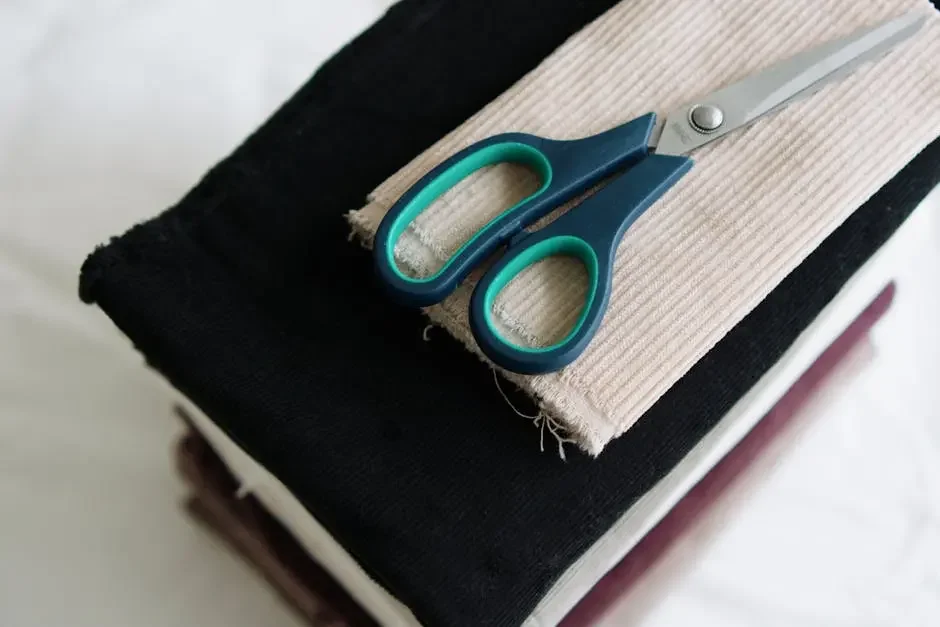
Pattern paper is your canvas; opt for one that's sturdy yet easy to work with, like brown kraft paper or professional pattern paper available at sewing supply stores. A good set of shears is invaluable—choose ones custom-made for fabric to ensure clean and effortless cuts. Marking tools like tailor's chalk or washable fabric markers facilitate pattern tracing and adjustments, allowing you to perfect your patterns before cutting into fabric. With these tools in hand, you're well-prepared to bring your designs to life.

Techniques for Drafting Women's Clothing Patterns

Explore various drafting techniques suited for women's clothing. Whether you're working on dresses, blouses, or skirts, understanding techniques like draping and flat pattern drafting will enable you to create precise and wearable designs. Draping is a process where fabric is pinned onto a mannequin to explore the visual and tactile aspects of a garment before settling on a final design.

Flat pattern drafting, on the other hand, requires precision and mathematical accuracy as it involves drawing your pattern on paper, based on body measurements. It's especially useful for duplicating existing garments or creating structured pieces. Both methods require a keen eye and offer distinct advantages depending on your design needs. While draping allows for more organic shapes, flat pattern drafting gives you control over detailed and customized fits.

Fitting and Adjustments: Ensuring the Perfect Fit

Achieving the perfect fit is one of the most rewarding aspects of pattern making. Learn how to make necessary adjustments and alterations to your patterns to suit different body shapes and sizes, ensuring a comfortable and flattering fit for all. Start by preparing a muslin mock-up—a prototype of your design in an inexpensive fabric. This allows you to test the fit and make alterations without risking your expensive fabrics.

Learn to focus on areas such as the bust, waist, and hips for women's clothing. Common adjustments include contouring, darts, and seam modifications. These small tweaks can pivot a garment from ordinary to extraordinary, ensuring it complements the wearer perfectly. By employing standard fitting techniques, you can enhance comfort and maintain the design's aesthetic appeal.

Adding Unique Details and Finishing Touches

Details make a design stand out. Adding elements like embellishments, unique seams, or trim can elevate a simple pattern into something truly special. Explore how these finishing touches can enhance your overall design. Think about incorporating different textures or colors through decorative stitches or beadwork to give your design an elegant touch. The choice of buttons, zippers, or hook-and-eye closures can also significantly impact the style and function of a garment.

Finally, explore how fabric manipulation techniques like pleating, smocking, or ruching can add visual interest and texture to your clothes, taking your design from straightforward to captivating. These techniques require time and patience but are often worth the effort as they add a personal touch that cannot be easily replicated.

Conclusion: Embrace Your Pattern-Making Journey

Crafting women's clothing patterns is both an art and a science, requiring equal parts creativity, precision, and dedication. By mastering the fundamentals and continuously seeking inspiration, you can develop patterns that not only fit well but also resonate with your unique style. As you embark on or continue this journey, remember that every pattern you create is a step towards becoming a more skilled and confident designer. To learn more about enhancing your skills, visit our homepage.

Next
Next

9 Steps to Perfect Your Fashion Sewing Skills for a Trendy Wardrobe