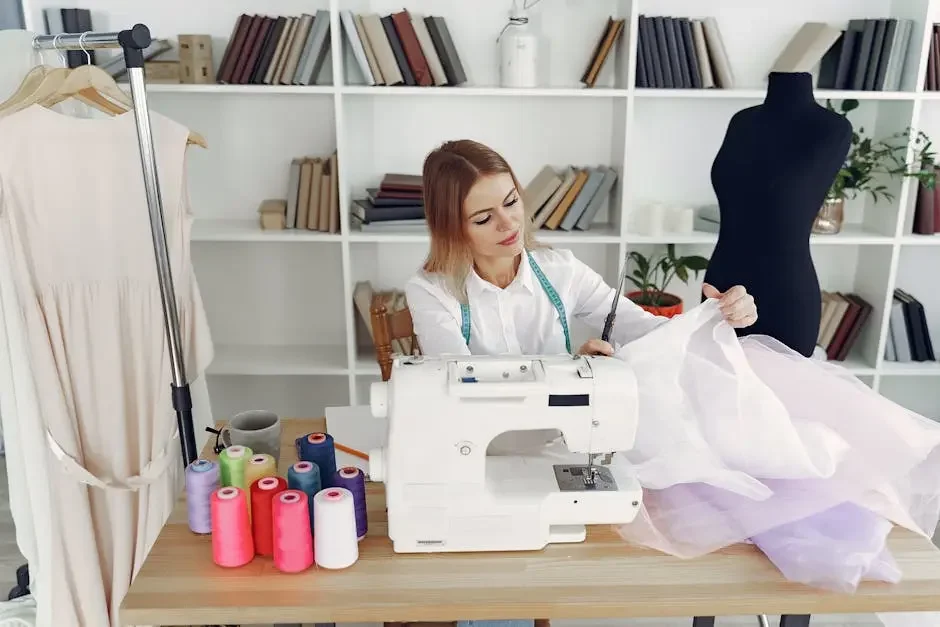
10 Essential Fashion Sewing Tips for Aspiring Designers

Entering the world of fashion design is an exciting journey filled with creativity and endless possibilities. Whether you're just starting or looking to sharpen your skills, understanding some fundamental sewing tips will enhance your design process and set you on the path to success. Here are ten essential sewing tips every aspiring designer should know.

1. Understanding Your Sewing Machine

Mastering the basics of your sewing machine is crucial for smooth and efficient sewing. Spend time exploring its features and functions to ensure you can tackle any project with confidence. Consider enrolling in a sewing machine basics class to gain a comprehensive understanding. By getting to know your machine inside out, you can prevent common mishaps and enhance your sewing precision.

Don't forget to regularly maintain your machine. Simple tasks like cleaning the bobbin case and oiling the moving parts can dramatically extend your machine's lifespan and keep it running smoothly. Knowing how to troubleshoot basic issues, such as thread tension problems and needle breaks, will save you from frustration and wasted time. Remember, a well-maintained machine is the backbone of any successful sewing project.

2. Choosing the Right Fabric

Fabrics play a vital role in your designs. Learn to select materials that complement your vision and understand how different textiles impact the fit and flow of your garments. For instance, natural fabrics like cotton and linen are breathable and ideal for summer collections, while synthetic fabrics such as polyester can provide stretch and resilience. Take time to understand the characteristics of each fabric type, which will aid in creating comfortable and appealing outfits.

3. Essential Sewing Tools

Investing in high-quality sewing tools, from scissors to seam rippers, is essential for precision and efficiency. These are the unsung heroes of fashion design. A sturdy pair of fabric scissors can make cutting smooth and precise, while a comprehensive set of needles will allow you to tackle different fabrics and techniques. Additionally, don't underestimate the power of a reliable measuring tape and tailor's chalk for accurate pattern adjustments and markings.

One handy tool that often goes overlooked is the pressing ham. This tool is perfect for creating professional darts and curved seams. A rotary cutter can also revolutionize your cutting process, especially when dealing with slippery fabrics like chiffon or satin. With the right tools at your disposal, you can achieve finer workmanship and bring your creative visions to life.

4. Mastering Basic Stitches

Familiarize yourself with basic stitches like straight, zigzag, and basting. These stitches form the foundation of most garments, and mastering them is a must. Start by practicing on scrap fabric to perfect your technique before moving on to your main projects. Understanding the variations and purposes of each stitch can significantly enhance the durability and aesthetics of your garments.

Additionally, explore decorative stitches to add unique details to your designs. Try incorporating a decorative topstitch to embellish pockets or collars. As you grow more comfortable with these basic stitches, you'll find that they open up a world of possibilities in garment construction and embellishment.

5. Perfecting Seam Finishes

Seam finishes prevent fraying and contribute to a professional look. Explore various techniques and find what works best for your fabric and design needs. Overlocking (or serging) is perfect for knit fabrics, whereas French seams provide an elegant finish on delicate fabrics like silk. Experiment with different seam finishes like binding or flat-felled seams to add a bespoke touch to your creations.

Learning these finishing techniques not only enhances the durability of your pieces but also their aesthetic appeal. Well-finished seams can make even simple designs look sophisticated and polished. As you integrate these techniques into your routine, your finished garments will speak volumes about your attention to detail and craftsmanship.

6. Importance of Pressing

Pressing is as important as sewing in creating polished pieces. Take the time to press seams, darts, and hems for a clean, tailored finish. Use a pressing cloth to protect delicate fabrics and invest in a good iron with adjustable settings. This step can transform a good project into a great one by enhancing the crispness and accuracy of your seams.

Incorporating proper pressing techniques into your sewing routine can dramatically improve the outcome of your garments. Not only does it ease sewing projects by ensuring all pattern pieces lay flat, but it also helps to set stitches for a more professional finish. Remember, pressing is an art that, when done right, complements and elevates your hard work.

7. Creating Custom Patterns

Learning to create and adapt patterns will set your designs apart. Experiment and develop custom patterns to bring your unique vision to life. Start with basic pattern-drafting techniques and gradually work your way up to more complex designs. This process allows you to tailor garments specifically to your measurements or style preferences, ensuring a perfect fit and personalized style.

8. Exploring Embellishments

Embellishments can elevate your designs. Whether using beads, sequins, or appliqués, they add personality and flair. Start simple and let your creativity unfold. Consider incorporating vintage buttons or hand-stitched embroidery to give your garments a unique touch. As you experiment with embellishments, you'll find they provide an excellent opportunity to innovate and express your personal style.

9. Proper Measurement Techniques

Accurate measurements are crucial for a perfect fit. Learn to take precise measurements to ensure that your garments fit beautifully and comfortably. Always use a flexible measuring tape and record measurements such as bust, waist, and hip accurately. Following a comprehensive measurement guide can aid in reducing fitting issues and enhancing the overall drape of your creations.

10. Developing a Creative Space

A well-organized, inspiring workspace fuels creativity. Set up a sewing station that motivates you and keeps your tools and materials within easy reach. Consider implementing a color-coordinated system for fabric storage and make good use of wall space for hanging your muslins and patterns. Your workspace should inspire creativity and streamline your working process, ultimately enhancing your sewing efficiency and satisfaction.

Next
Next

How Quality Apparel Stitching Transforms Design Concepts into Reality