In garment development, a menswear pattern is a construction template, not a stripe, check, or other fabric print. Different garment categories call for different decisions about ease, balance, movement, and materials. These seven examples show what to discuss when developing a menswear style.
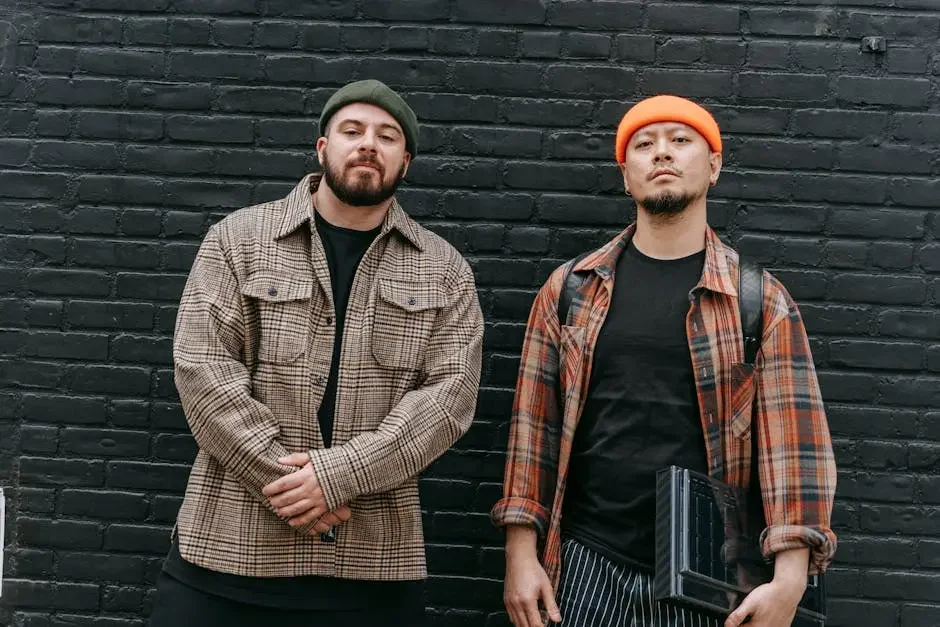
1. Woven Shirt
Review shoulder placement, chest and waist ease, sleeve movement, collar shape, and cuff proportions. The intended tuck, length, and use influence the design.
2. Trousers
Assess waist position, rise, seat, leg shape, and movement. A circumference measurement alone does not resolve the balance of a trouser pattern.
3. Tailored Jacket
Consider shoulder structure, chest shaping, lapel proportions, sleeve relationship, and room for the clothing worn underneath. Linings and internal components affect construction.
4. Overshirt
Establish whether the garment is worn as a shirt or as a layer. That choice affects ease, length, pockets, and the space needed through the sleeve and body.
5. Coat
Plan for layering, movement, material weight, and closures. A heavier fabric can require different construction and allowances from a light jacket.
6. Knit Top
Evaluate stretch and recovery along with the intended fit. The pattern and seam construction should suit the actual fabric rather than a generic knit category.
7. Shorts
Review rise, seat, leg opening, pocket placement, and the intended activity. Length and proportion should be assessed on the wearer or fit model.
Build from a Defined Fit
For each category, agree on the base measurements and fit intent, sew a sample, and document revisions. A single base pattern does not automatically suit every body shape or fabric. Approve the base garment before establishing the graded range.
Patterns World provides menswear pattern and sample development and grading and marking. Contact us with design references, fabric information, and your intended size range.