Transforming Ideas into Reality: The Garment Development Process Explained
Every piece of clothing starts with a simple idea. However, turning that idea into a tangible garment is a journey filled with creativity, precision, and craftsmanship. In this blog post, we'll walk you through the fascinating garment development process, transforming those initial sketches into wearable works of art.
Understanding the Initial Concept
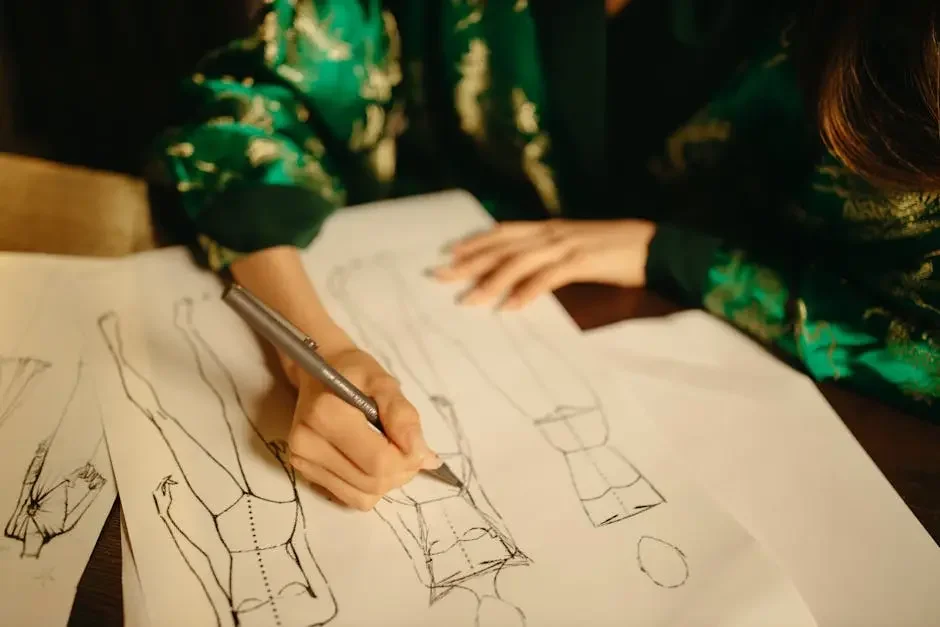
Every garment begins with an idea, a spark of creativity that propels the designer into action. This initial stage involves brainstorming and sketching, where designers play with shapes, colors, and fabrics to create a unique concept. It's not uncommon for designers to draw inspiration from various sources, such as art, nature, or current fashion trends. This stage sets the groundwork for what will eventually be translated into a tangible piece of art. Often, various conceptual ideas are explored before settling on the final design. This is not merely an envisioning phase but a foundational step where the designer starts envisioning how the final product will interact with both the wearer and the world.
From Sketch to Pattern
Once the design is finalized, it's time to translate the sketch into a pattern. This involves creating a blueprint for the garment, ensuring that each piece fits together perfectly. Patternmaking is a crucial step where precision and attention to detail are paramount. The designer must consider every seam, every dart, and every possible adjustment that can make the fit perfect. When a sketch is transformed into a pattern, it also allows the designer to visualize the three-dimensional aspects of the garment. This is an iterative process, often requiring several revisions to achieve accuracy. Through careful calculation and crafting, the pattern becomes the template, the guiding structure that leads the way in transforming a flat sketch into a full-fledged garment.
In some cases, technology aids in this transition from sketch to pattern. Computer-aided design (CAD) software allows designers to create patterns digitally, offering greater precision and flexibility than traditional methods. This technological integration speeds up the process, allowing adjustments to be made swiftly and easily. Additionally, digital tools often enable designers to visualize their patterns on virtual mannequins, providing a realistic preview of how the garment will drape and move. By embracing both traditional and modern methods, designers can ensure that their creations are both meticulously crafted and imbued with the innovation necessary to stand out in today’s fashion industry.
Selecting the Right Fabrics
The choice of fabric can make or break a garment. Designers carefully select materials that complement the intended look and function of the piece, considering factors like texture, durability, and sustainability. Some fabrics are chosen for their luxurious feel and elegant drape, such as silk or cashmere, while others might be selected for their practicality and resilience, like denim or cotton. It's crucial to balance the aesthetic appeal with the functional needs of the garment. Sustainability is also becoming increasingly important in fabric selection, with more designers gravitating towards eco-friendly options like organic cotton or recycled polyester. This consideration not only appeals to environmentally-conscious consumers but also contributes to the long-term viability of the fashion industry. The fabric is more than just material; it’s the heart of the garment that defines its essence and allure.
The Role of Sewing and Construction
With patterns and fabrics ready, the garment moves into the sewing phase. Skilled artisans cut and assemble pieces, meticulously stitching them together to bring the designer’s vision to life. The construction of a garment requires precision and patience, each seam and hem carefully executed to ensure a flawless finish. Embellishments, such as beading or embroidery, might be added during this stage, enhancing the garment’s aesthetic appeal and individual character. Here, experienced tailors and seamstresses play an integral role, blending their technical skills with the creative vision of the designer to produce a piece that's not only beautiful but also comfortable and durable.
Technological advances have also found their place in garment construction. Automated sewing machines and other advanced tools increase not only speed but also accuracy, enabling manufacturers to produce high-quality garments efficiently. However, despite these technological innovations, the human touch remains irreplaceable, especially in high fashion where bespoke tailoring and custom fittings are crucial. The interplay of technology and craftsmanship ensures that each piece achieves both structural integrity and artistic value, creating garments that are as innovative as they are timeless.
Quality Control and Adjustments
Before a garment can be completed, it undergoes stringent quality checks to ensure it meets the highest standards. This is the stage where any necessary adjustments are made to perfect the fit and finishing. Quality control involves checking the garment for durability, verifying that seams and hems are securely sewn, and ensuring that the fabric behaves as expected when worn. It's a meticulous process that can involve multiple rounds of testing and fitting. Any discovered issues, such as puckered seams or uneven hems, are addressed by skilled technicians who possess a keen eye for detail. This level of diligence helps maintain the brand’s reputation and ensures customer satisfaction. Furthermore, the emphasis on quality guarantees that each piece is not only stylish but also capable of lasting through repeated wear and regular maintenance.
In addition to physical checks, garments are also scrutinized for ethical compliance. Certifications such as Fair Trade or GOTS are becoming more prevalent, with consumers increasingly interested in ethically sourced and responsibly produced fashion. This includes verifying that working conditions are fair and that environmental impact is minimized during production. By prioritizing quality not only in terms of craftsmanship but also in ethical production, the fashion industry moves towards a more sustainable and inclusive future, offering products that consumers can feel good about wearing.
Final Production and Launch
Once approved, the garment moves into final production. This involves scaling the design for mass production while maintaining quality. During this phase, garments are manufactured in larger quantities, necessitating efficient production lines and quality assurance measures to ensure that each item meets the initial design specifications. Innovations in supply chain management and automated systems help streamline this process, reducing costs and lead times. Mass production doesn’t necessarily mean loss of quality; many brands navigate this balance successfully, ensuring that their garments remain both accessible and well-crafted.
Afterward, the garment is ready to launch, making its way from workshops to wardrobes worldwide. Marketing strategies play a pivotal role here, with designers often planning elaborate fashion shows or digital campaigns to showcase their latest creations. The launch is not just about debuting a collection but also about telling a story, creating an experience that captivates consumers and reflects the brand’s vision and ethos. As the garments reach retail stores or online platforms, they start the final leg of their journey—being chosen, loved, and worn by individuals all over the globe. By completing this intricate cycle, the garment development process demonstrates the profound impact of fashion, weaving together creativity, technology, and human connection.
Bringing Designs to Life
The garment development process is a blend of art and science, requiring attention to detail, creativity, and technical prowess. By understanding each step, from conceptualization to production, aspiring fashion creators and enthusiasts can gain a deeper appreciation for the clothes they wear and those they dream of making. Whether you're a budding designer or simply curious, I hope this overview has provided clarity and inspiration to take the first steps in your own fashion journey. To learn more about how we can help bring your designs to life, visit our homepage.