The Role of a Pattern Designer in the Fashion Industry
A garment pattern designer or pattern maker translates a design into the shapes and construction information used to make clothing. The role combines interpretation, fit judgment, and communication with the designer and sewing team. Clear responsibilities help the project move from an idea to an approved garment.
Interpreting the Design Brief
The pattern maker needs to understand the intended silhouette, fit, materials, and details. They may identify choices that the sketch does not resolve, such as ease, seam placement, or the construction of a closure. Those choices should be discussed rather than silently assumed.
Working with the Sample Maker
The sample tests how the pattern assembles and behaves in the material. Feedback from sewing can reveal awkward intersections, bulk, or missing information. Pattern and construction decisions should be reviewed together when an issue appears.
Supporting Fit Review
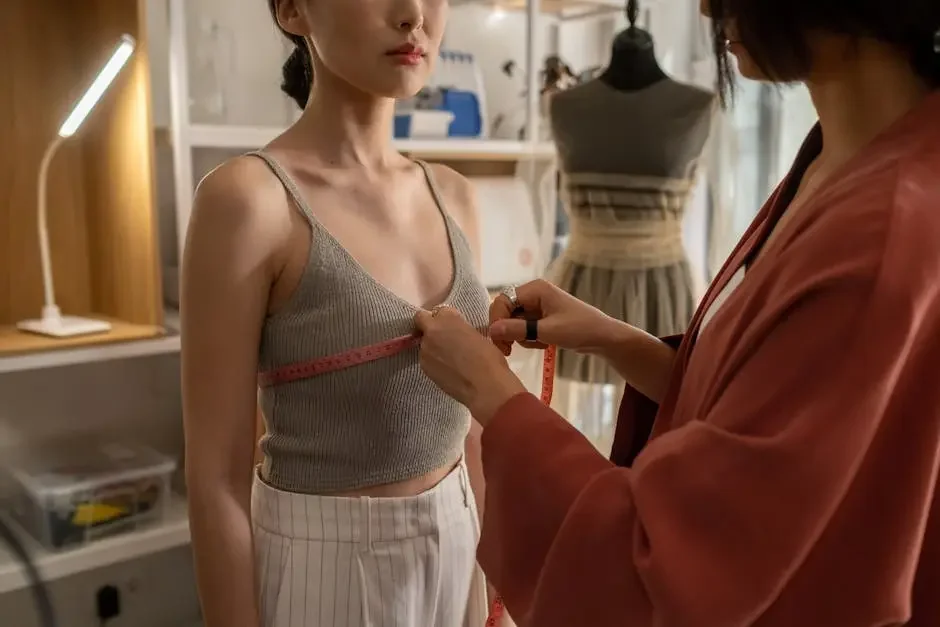
During review, the team assesses balance, movement, proportion, and the intended silhouette. The pattern maker translates accepted changes into a revised pattern. The designer or designated approver remains responsible for approving the project’s direction.
Maintaining a Clear Version
Pattern pieces and supporting information should identify the current style and size. Keep revision notes and distinguish a development version from an approved handoff. Conflicting files can create problems even when each individual change was reasonable.
Preparing for the Next Team
If the garment will be graded or produced elsewhere, confirm the required formats and information. A pattern maker’s deliverables depend on the agreed scope; do not assume that every quote includes grading, markers, technical documentation, or production supervision.
Patterns World provides pattern making and sample sewing in Los Angeles. Read what patternmaking means or contact us to discuss the work needed at your current development stage.