
What Is Patternmaking in the Fashion Industry?
Patternmaking is a fundamental step in the fashion design process, turning creative ideas into wearable garments. For anyone interested in fashion, understanding patternmaking is crucial as it bridges the gap between design and production. In this FAQ, we'll dive into what patternmaking is, why it's important, and how it works in the fashion industry.
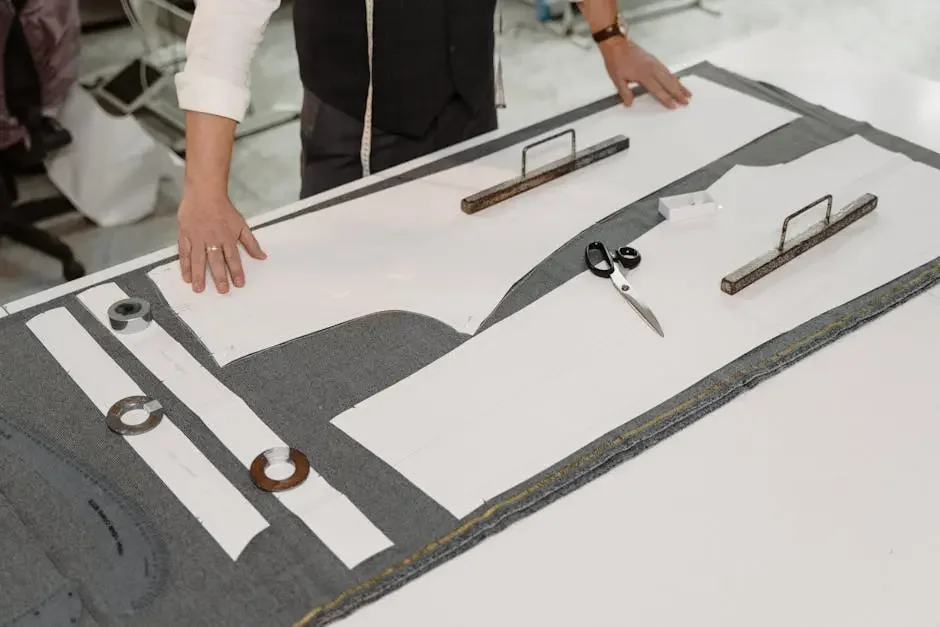
Understanding Patternmaking
Patternmaking involves creating templates for pieces of a garment, which are then cut and assembled together. These patterns serve as the blueprint for clothing, dictating size, shape, and style.
In essence, patternmaking is the translation of a designer's vision into reality. It's the detailed process of taking a two-dimensional design and giving it depth and form. By understanding this craft, a designer can accurately predict how a garment will look and fit on the human body. This step is crucial, ensuring that the final product aligns with the original design while meeting aesthetic and functional requirements.
The Role of a Patternmaker
Patternmakers are skilled professionals who translate designers' sketches into patterns. They must have a keen understanding of fabric, proportion, and construction techniques to ensure accurate and effective outcomes.
With a blend of artistic flair and technical precision, patternmakers play a critical role in the fashion industry. They often work closely with designers to develop patterns that mirror the original sketches while accommodating practical construction. Their expertise enables them to foresee potential issues with drape or fit, tailoring the pattern to achieve the desired look and feel of the garment.
Moreover, patternmakers must continuously adapt to new techniques and materials in the industry. As the fashion landscape evolves, so does the role of the patternmaker, who must incorporate advancements in textiles and technology into their work.
Why Patternmaking Is Essential to Fashion
Patternmaking is crucial because it determines the fit and silhouette of the final garment. It is the foundation that ensures consistency in mass production and allows for creative experimentation in custom designs.
Without precise patternmaking, achieving a polished and professional look would be nearly impossible. Patterns allow for replication and scaling, which are integral to the production of multiple sizes. This process ensures that all garments meet the same high standards of craftsmanship and fit, from the runway to the retail rack.
Additionally, patternmaking facilitates innovation and creativity by providing designers the tools to experiment with new silhouettes, cuts, and shapes. It's not merely about replication; it's about transforming imagination into tangible, wearable art.
The Steps in Patternmaking
The process includes drafting the pattern, creating a muslin or toile, fitting and adjusting the pattern, and finalizing the design for production. Each step is essential to achieving a perfect fit.
Drafting the initial pattern is a combination of skill and creativity, often beginning with the basic blocks of garment construction. The muslin or toile stage allows for testing the pattern in a three-dimensional form, providing crucial feedback for adjustments. This fitting phase is critical, as it ensures the garment will be functional and flattering.
Once adjustments are made, the pattern is finalized and prepared for production. This includes translating the pattern into fabric and making any final tweaks to the construction details. The accuracy of this process cannot be overstated, as even minor discrepancies can greatly affect the final garment's appeal.
Modern Approaches to Patternmaking
Today, many patternmakers use digital tools and software to create patterns, streamlining the process and allowing for easy modification and sharing across design teams.
The integration of technology in patternmaking has revolutionized the industry. Software programs enable detailed and precise digital patterns, which can be easily adjusted and customized. This digital shift not only increases efficiency but also enhances collaboration among design teams.
Moreover, modern patternmaking encompasses innovative techniques like 3D modeling, which allows designers to visualize garments virtually before committing to material usage. This not only saves resources but also enables more sustainable fashion practices by minimizing waste.
Conclusion: The Significance of Patternmaking
Patternmaking is a vital skill in fashion, enabling designers to bring their ideas to life with precision. From initial sketches to the final garment, patternmaking ensures that each piece is crafted accurately to fit and function as envisioned. Whether you're a budding designer or someone curious about the fashion industry, understanding patternmaking can provide a deeper appreciation of the garments you wear. Explore more about our services and expertise at Patterns World Inc.