
When Custom Garment Development Makes Sense
A custom garment can be appropriate when an existing piece cannot provide the design, proportions, or construction a project needs. The decision should be based on the garment and its intended use, rather than a general claim that custom clothing is always better or more sustainable.
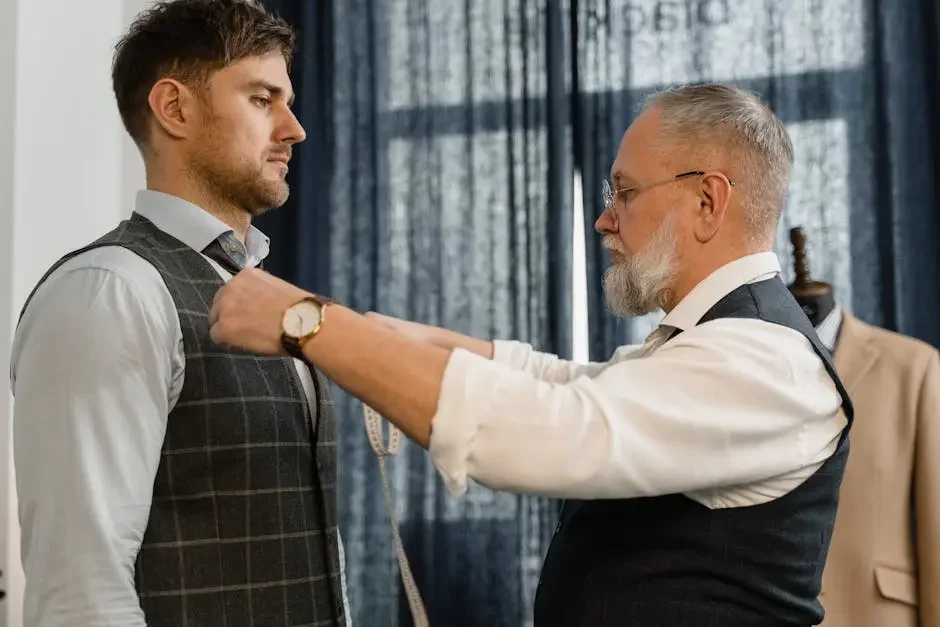
Distinguish Custom Development from Alterations
Alterations begin with an existing garment. Custom development begins with a design and may require a new pattern, material decisions, a sample, and fittings. The scope and cost can be very different, so describe the starting point clearly.
Identify the Requirement That Ready-to-Wear Does Not Meet
The project may call for a particular silhouette, unusual proportions, a performance requirement, or a complex detail. Explain the problem to solve and which features are essential. That gives the development team a basis for assessing the work.
Allow for Testing and Fitting
A custom pattern does not remove the need to test the garment. Material behavior and construction affect the result, and fitting feedback may lead to revisions. Discuss the review process and the work included in the quote.
Compare Scope Rather Than Labels
Ask what is included in pattern development, sample sewing, materials, fittings, and finishing. Confirm the deliverables and how design changes are priced. A custom project should be evaluated against its agreed requirements, not an assumption of unlimited revisions.
Prepare the Brief
Gather design references, measurements, intended materials, and information about use and timing. Review the provider’s relevant work and explain your expectations before the schedule is confirmed.
Patterns World provides pattern making and sample development for custom and other garment projects. Browse our work and contact us to discuss the technical development your idea requires.