
10 Ways Pattern Services Can Elevate Your Fashion Brand
A pattern service supports a fashion brand by turning design decisions into a garment that can be sampled and evaluated. Its contribution is technical and project-specific. These ten areas help explain what to discuss when commissioning pattern development.
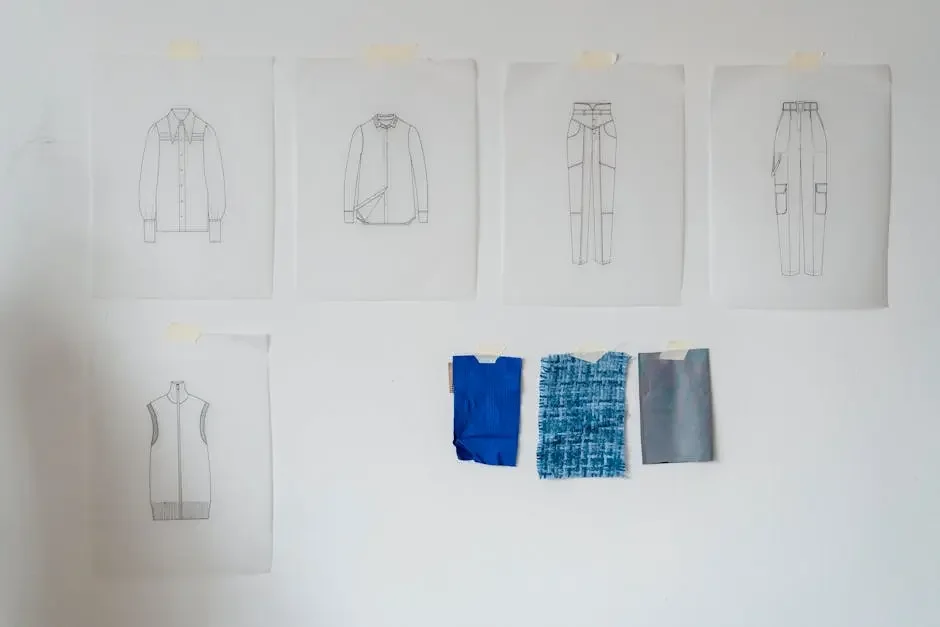
1. Interpret the Design
Translate references into a clear silhouette and construction direction. Identify details that still need decisions.
2. Establish the Base Size
Agree on measurements and fit intent. A size label by itself is not a complete specification.
3. Account for Fabric Behavior
Consider drape, stretch, thickness, and recovery before finalizing the shapes used for cutting.
4. Resolve Shaping
Choose seams, darts, panels, or other methods that support the design and intended fit.
5. Plan Assembly
Review how pieces join and how closures, linings, or structured details will be constructed.
6. Support Sample Review
Use a sewn sample to assess the pattern in three dimensions. Record fit and construction observations.
7. Document Corrections
Transfer accepted changes back to the pattern. Keep the sample and current pattern consistent.
8. Maintain Version Clarity
Identify which version is approved and which remains in development. Avoid sending conflicting files to production.
9. Prepare for Grading
Resolve the base garment before developing the size range. Provide agreed grade rules and review requirements.
10. Define the Handoff
Confirm the required pattern format and supporting information. A file handoff should be agreed with the team that will use it.
Set Realistic Expectations
These steps can improve clarity and reveal problems before production, but they do not guarantee sales or eliminate revisions. Ask what the service includes and how changes are handled.
Read our pattern-development guide or explore Patterns World’s apparel development services. Contact us with your design references and current project status.